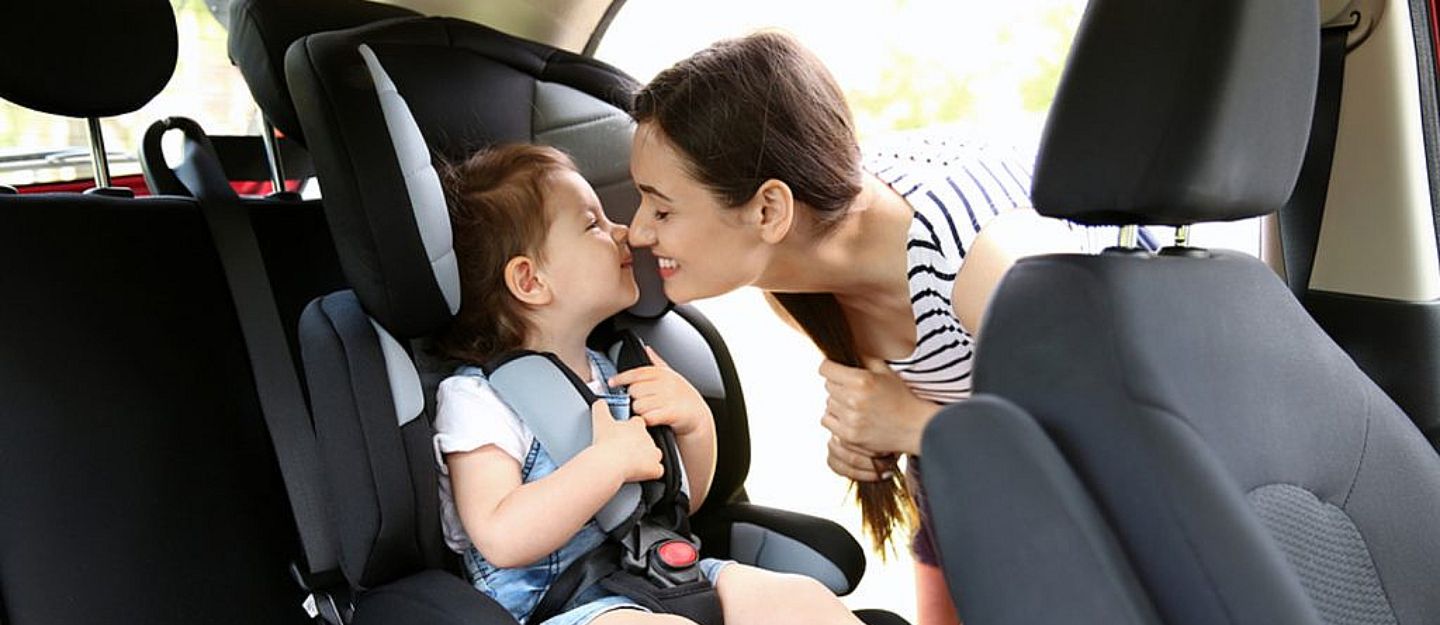
Road safety awareness for children is important to help them develop responsible behaviour from an early age. Children travel every day as pedestrians, cyclists or passengers in vehicles and each situation requires an understanding of basic safety rules. Teaching them how to stay safe on the road is a shared responsibility between parents, schools and caregivers. A structured and consistent approach helps children build safe habits that guide their actions whenever they are near traffic.
Importance of Early Road Safety Education

Introducing road safety concepts early helps children build awareness before they begin travelling independently. Road safety education for kids can teach simple but critical habits such as stopping at the curb, looking both ways before crossing, and recognising traffic lights.
Early education is important because children:
- May misjudge vehicle speed and distance.
- Can act impulsively without checking for danger.
- Are less visible to drivers due to their height.
Tips for Teaching Road Safety to Children
Teaching children about road safety is most effective when lessons are clear, practical and reinforced regularly. Following road safety rules for children in the UAE helps ensure that kids stay safe while commuting as pedestrians, cyclists or passengers. The following tips offer practical guidance to help children understand and follow these rules every day.
Stop, Look and Listen Before Crossing
Children should be taught to stop at the edge of the road, look right, left and right again and listen for traffic before crossing. They should continue observing traffic while crossing. Explain that vehicles may approach quickly and that drivers may not always notice pedestrians.

Use Safe Crossing Points
Children should cross at pedestrian crossings, traffic signals or intersections with clear visibility. Crossing between parked cars or on blind corners should be avoided because drivers may not see them until it is too late.
Always Wear a Seatbelt
The benefits of seatbelt use include enhancing overall safety and providing essential protection while travelling. Children should be taught to buckle up immediately after entering a vehicle and to remain seated properly throughout the journey as part of responsible child car safety practices. Parents should also ensure that child restraints are suitable for the child’s age, height and weight.
Understand Traffic Signals and Road Signs
Children should know the meaning of red, yellow and green traffic lights, as well as common road signs such as stop signs and pedestrian crossing signs. This knowledge allows them to interpret their surroundings rather than rely solely on adults.
Avoid Distractions Near Traffic
Children should not use mobile phones, wear headphones or engage in distracting activities while walking or cycling near roads.
Wear a Helmet and Follow Cycling Rules
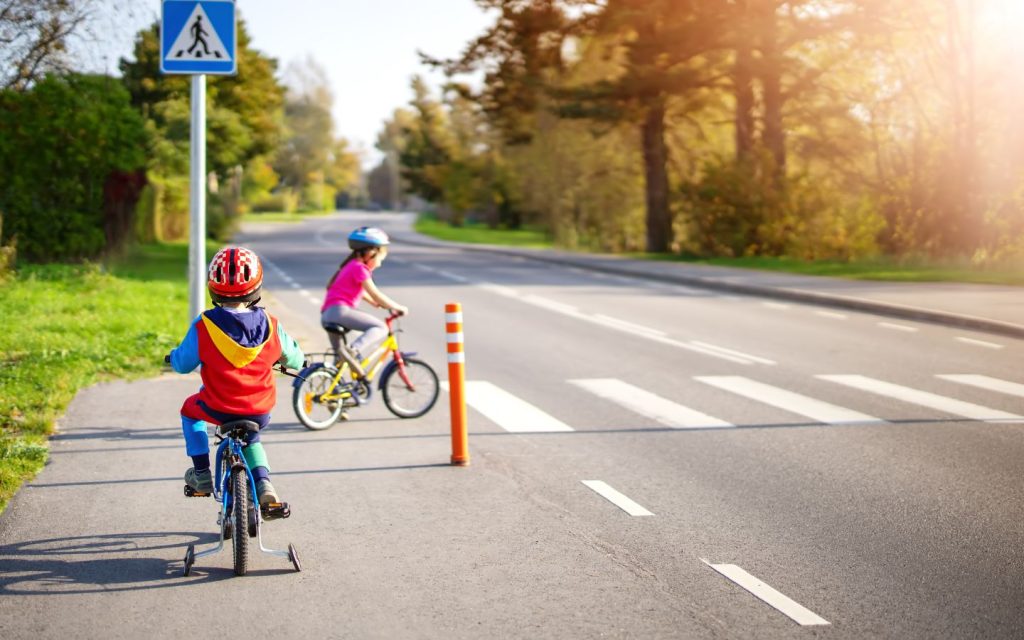
When cycling, children should always wear a properly fitted helmet. They should ride in designated bike lanes where available, use hand signals to indicate turns and obey traffic rules. Regular checks of car brakes and tyres improve safety.
Stay Visible to Drivers
Bright or reflective clothing improves visibility, especially during low-light conditions. Reflective strips on backpacks and bicycles help drivers see children from a distance.
Be Cautious Around Driveways and Parking Areas
Children should understand that vehicles may reverse unexpectedly in driveways and parking lots. They should avoid playing near parked cars and stay alert in these areas.
Walk in Groups When Possible
Walking with peers or adults increases visibility and reduces risk. Group travel also encourages safer decision-making.
Know Basic Emergency Response Steps
Children should be taught to stay calm if an accident occurs, seek help from a trusted adult and contact emergency services when necessary. Memorising their home address and a parent’s phone number can assist responders if needed.
FAQs
At what age should children start learning road safety rules?
Children should start learning road safety rules when they begin developing awareness of their surroundings and basic habits like stopping at curbs.
What are the best strategies to teach road safety to kids?
The best strategies to teach road safety to kids include starting early, modelling safe behaviour, using interactive learning methods, reinforcing practical rules during daily routines and maintaining consistent supervision.
How can schools promote road safety among children?
Schools can promote road safety by integrating it into the curriculum, hosting workshops with experts and running interactive campaigns.
Promoting road safety among children requires early instruction, consistent reinforcement and practical training. By teaching clear safety rules and ensuring children understand how to apply them in real-life situations, families and educators can reduce risks and support safer travel for children. Road safety education is an essential part of protecting children and strengthening community well-being.
These safety habits extend beyond daily commutes and influence how children interact with vehicles throughout their lives. For families looking to ensure safe travel, exploring used cars for sale in the UAE allows them to choose reliable and well-maintained vehicles that support a safe environment for their children while reinforcing the road safety lessons they have learned.
Keep reading dubizzle’s auto blog to discover more practical road safety tips, commuting advice for kids and guidance on maintaining vehicles for safe daily travel.
Related Posts