
- Solar Paint Innovation
- How Photovoltaic Paint Works
- Tech and Capabilities
- Benefits of Solar Paint Tech
- Limitations
- FAQs
Photovoltaic paint for cars refers to solar paint for vehicles, a surface coating embedded with photovoltaic materials that can capture sunlight and convert it into electrical energy. Unlike traditional automotive paint, this energy-generating car paint integrates tiny solar-energy-harvesting components that allow a vehicle’s exterior to function like a distributed solar panel.
What Is Photovoltaic Car Paint?
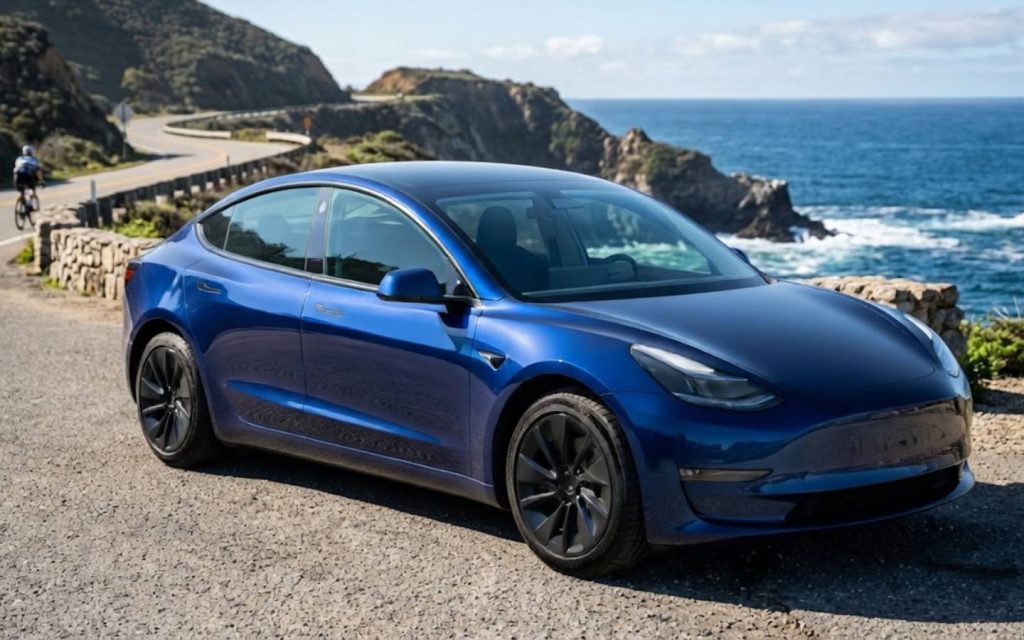
Solar-powered car paint technology has been developed to extend the driving range of electric vehicles (EVs) and reduce dependence on grid charging. The paint contains photovoltaic layers, often based on advanced nanomaterials, generating electricity when exposed to sunlight. When applied to a car’s body, the paint acts as a large area of distributed solar cells that feed energy back into the vehicle’s battery or electrical system.
How Photovoltaic Paint Works on Cars
At its core, the working of photovoltaic car paint is similar to how conventional solar panels operate. Sunlight hits the photovoltaic material, which then creates an electric current. The coating includes a nanoparticle or thin-film photovoltaic layer beneath a protective topcoat that lets most of the sunlight through. In concept vehicles, such as those from major automakers, the coating is galvanically isolated and wired into a power converter that routes electricity to the battery.

Current Technology and Capabilities
Automotive implementations of car paint that generate electricity are still in research and concept phases rather than mass production. For example, a prototype solar paint developed by an OEM uses a layer thinner than a human hair. The setup can achieve up to ~20% solar-to-electric conversion efficiency, roughly comparable to some rooftop solar panels. This coating can allow an electric vehicle to generate a meaningful amount of energy when parked or driven in sunny conditions.
Benefits of Solar-Powered Car Paint Technology
Some of the key benefits of solar-powered car paint technology include:
- Supplemental Charging: The energy generated can trickle charge the EV battery, potentially reducing charging station visits.
- Extended Range: Under optimal conditions, solar paint could generate enough energy to contribute to thousands of kilometres of driving per year.
- Passive Operation: The system works whenever the car is exposed to sunlight, even when parked.
Challenges and Limitations
Despite promising scope in automotive prototypes, solar paint for vehicles faces significant challenges before widespread adoption:
- Efficiency Limits: Photovoltaic paint currently converts sunlight to electricity at lower efficiencies than dedicated solar panels.
- Surface Area Constraints: A car’s curved surfaces and limited total area restrict the amount of energy that can be harvested.
- Cost and Durability: Advanced coatings are expensive to produce and must withstand automotive wear, weather and cleaning without degrading performance.
Future of Solar-Powered Vehicles Paint
The future of solar powered vehicles paint lies in improving materials science, manufacturing techniques and integration methods. Researchers are exploring new photovoltaic chemistries that could increase efficiency and reduce cost. If these advances succeed, energy-generating car paint may become a standard option on EVs, contributing a reliable secondary source of clean energy.
FAQs
How does solar paint generate electricity on vehicles?
Solar paint for vehicles uses embedded photovoltaic materials that absorb sunlight and convert it into electrical energy, which is then routed to the car’s battery.
Is photovoltaic paint available for commercial cars?
Photovoltaic paint for cars is not yet commercially available and remains in research and prototype stages by automakers and material scientists.
Can solar paint fully power a car?
No, current solar-powered car paint technology cannot fully power a car and only provides supplemental energy due to efficiency and surface area limitations.
Photovoltaic paint for cars represents a compelling solar paint automotive innovation with the potential to supplement EV charging and improve sustainability. While still nascent and mainly seen in concept vehicles, the technology demonstrates how automotive surfaces could one day serve dual functions: aesthetics and electricity generation.
Many new and used electric vehicles for sale in the UAE already offer a blend of sustainable technology and practical features. From aerodynamics to driving features, EVs are powered by a myriad of cutting-edge aspects.
For more informative updates on automotive technology, stay tuned to the UAE’s favourite car blog.
Related Posts