
Performance chip tuning involves modifying the software that controls a vehicle’s engine to alter how it operates. Modern engines are managed by electronic systems that regulate fuel injection, ignition timing, airflow and other critical functions. Adjusting these settings can alter how the vehicle performs under different driving conditions. Understanding the fundamentals of performance chip tuning is essential before considering any modifications.
What Is a Performance Chip
Performance chip tuning is a type of engine performance tuning that modifies a vehicle’s ECU to optimise fuel delivery, ignition timing and other engine parameters. It can replace, modify or supplement the factory settings. Early performance chips adjusted spark timing, fuel injection, throttle control and turbo boost, while modern vehicles mostly rely on ECU remapping instead of physical chips.
Car Performance Chip Tuning: How It Works

The ECU manages fuel injection, ignition timing, turbo boost and other engine functions. Tuning modifies these settings to influence power, torque, fuel efficiency and throttle response. Installations are typically carried out via the OBD-II port, ECU flashing or a piggyback device.
Types of Performance Tuning
ECU chip tuning can be carried out through different methods depending on the vehicle, the ECU system and the level of modification required.

- OBD-II tuning: Connects to the vehicle’s diagnostic port and uploads new settings. It is usually reversible.
- ECU remapping: Replaces or modifies the factory software in the ECU. Changes are permanent until overwritten.
- Plug-and-play chips: External devices that modify signals between sensors and the ECU. Installation is simple but customisation is limited.
- Piggyback modules: Devices that intercept ECU signals to adjust performance. They can often be removed easily.
Common Adjustments Made by Performance Chips
Performance chips adjust key engine parameters to influence how the vehicle delivers power and responds to driver input.
- Fuel-air ratio: Modifies the mix of air and fuel for combustion.
- Ignition timing: Changes when the spark plugs fire.
- Turbo boost: Adjusts the pressure in turbocharged engines.
- Throttle response: Alters how the engine reacts to accelerator input.
Applications
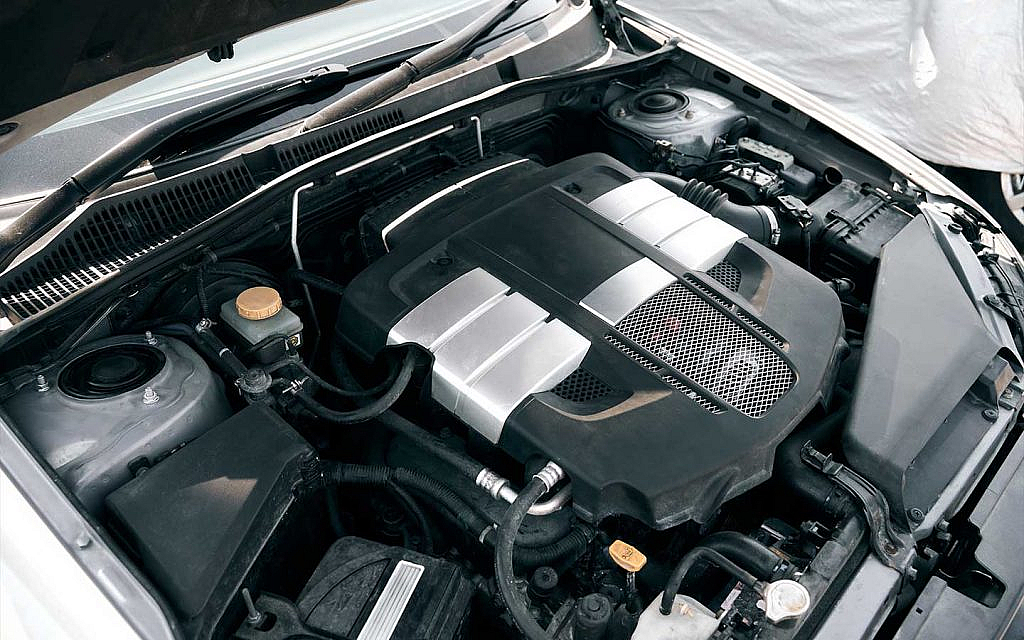
Performance chip tuning is applied to various types of vehicles, including petrol and diesel engines. Turbocharged and boosted engines often show larger gains from tuning. Some tuning is done after hardware changes, such as new intake, exhaust or headers, to match the engine software to the new components.
Regular monitoring of engine performance is recommended. Some tuning providers offer software updates and real-time monitoring tools. Keeping track of engine parameters can help detect issues early and maintain performance gains.
Pros & Cons of Performance Chips
Performance chip tuning can boost your car’s power and efficiency, but it also comes with some risks.
Pros
- Chip tuning can increase your car’s power and torque by up to 30 per cent.
- It improves acceleration and throttle response, making the car feel quicker and smoother.
- Fuel savings of up to 15 per cent are possible if you drive calmly.
- Tuning removes factory restrictions, allowing the engine to reach its full potential.
- Stage 1 tuning usually works through software, so no hardware changes are needed.
Cons
- Chip tuning can cause extra wear on the engine and transmission, potentially reducing lifespan.
- The fuel system may be stressed, which can wear out injectors and pumps faster.
- Aggressive driving after tuning can increase fuel consumption.
- Modifying the ECU may void your car’s warranty.
- Poor-quality or DIY tuning can seriously damage your car.
Risks and Considerations
Before modifying a vehicle’s ECU, it is important to understand the potential mechanical, legal and warranty implications involved.
- Warranty: Modifying the ECU may affect vehicle warranty, depending on the manufacturer and region.
- Engine Wear: Incorrect tuning or low-quality chips can cause engine stress.
- Legal Compliance: Some changes may affect emissions compliance or be restricted by local laws.
FAQs
How does a performance chip work in a car?
A performance chip works by modifying the vehicle’s ECU settings to adjust parameters such as fuel delivery, ignition timing and boost control.
Which types of vehicles can benefit from chip tuning?
Both petrol and diesel vehicles, especially turbocharged or supercharged models, can benefit from chip tuning depending on their engine design.
How does chip tuning affect throttle response?
Chip tuning can improve throttle response by adjusting how quickly and directly the engine reacts to accelerator input.
This overview of performance chip tuning explains a technical modification that should be approached with clear objectives and proper research. The right decision depends on the vehicle’s condition, intended use and compliance with local regulations.
A clear understanding of chip tuning is useful when evaluating a vehicle’s history or specifications. dubizzle’s car inspection service provides detailed checks for tuned or modified cars, helping assess their true condition. This ensures smarter decisions when browsing used cars for sale in the UAE.
Keep reading dubizzle’s auto blog to learn more practical tips for maintaining your vehicle.
Related Posts