
Challenging terrains, diverse driving conditions and scenic views – off-roading continues to captivate car enthusiasts from around the world. It is an exhilarating way to explore rugged terrains and remote landscapes. However, off-roading also comes with unpredictable weather challenges. Off-roading in harsh weather demands proper preparation, caution and skill.
Off-roading in Harsh Weather
Off-roading presents unique challenges, especially when harsh weather enters the equation. Whether facing extreme heat, heavy rain, sandstorms or snow, preparedness becomes essential. Managing these conditions effectively requires a focus on planning, equipment, vehicle readiness and sound decision-making.
Listed below are some effective harsh weather off-roading tips every driver should consider.
Check Weather Conditions in Advance

An effective way of minimising the off-roading challenges in harsh weather is by checking the weather beforehand. Reviewing forecasts for the planned route helps determine potential risks and influences key decisions such as timing and preparedness. Reliable sources or specialised apps can provide real-time data, allowing for informed planning. If dangerous weather is expected, it is advisable to reschedule the trip.
Pack Weather-Specific and Essential Gear for Off-roading in Harsh Climates
Different environments require tailored gear. In rainy or muddy areas, waterproof clothing and recovery tools are essential. Hot, desert climates call for hydration supplies, sun protection and lightweight attire. Snowy conditions demand insulated gear, traction aids and tools for clearing paths. Sandstorms require face protection and extra air filter components. Matching gear to the environment helps ensure both safety and comfort. Be sure to carry the region’s weather-specific gear.

Prepare the Vehicle Thoroughly
Different types of off-roading vehicles are suitable for specific terrains. For off-road driving in bad weather, it is important to choose the right vehicle. Moreover, it is important to prepare the vehicle before setting off.
Vehicle condition directly affects safety in harsh environments. Engine fluids should be suited to the expected temperatures. Moreover, tyre pressure must be adjusted according to the terrain. Batteries must be fully charged and well-maintained. All lighting, windshield wipers and the fitted types of air filters should be tested before departure. A well-prepared vehicle can withstand difficult conditions and reduce the risk of breakdowns.
Equip for Communication and Emergencies
When off-roading in harsh weather conditions, it is essential to carry communication tools. Reliable communication tools are essential when travelling through remote or hazardous regions. Satellite communicators and GPS tracking devices allow for emergency contact even without a mobile signal.
Two-way radios are useful in group travel. An emergency kit should include food, water, medical supplies, power sources and basic repair tools. Sharing travel plans and expected return times with someone outside the trip adds an extra layer of precaution.
Apply Terrain-Specific Driving Techniques
Different driving techniques can come in use on specific terrains. For instance, in muddy areas, slow and steady movement helps prevent tyre spin. Whereas, snow and ice require smooth handling, low speeds and increased stopping distances.
In sandy environments, maintaining momentum prevents the vehicle from becoming stuck. When driving in flood water, low-speed travel helps avoid engine damage. Understanding the terrain and adjusting accordingly is vital for safety.
Post-Trip Maintenance is Essential
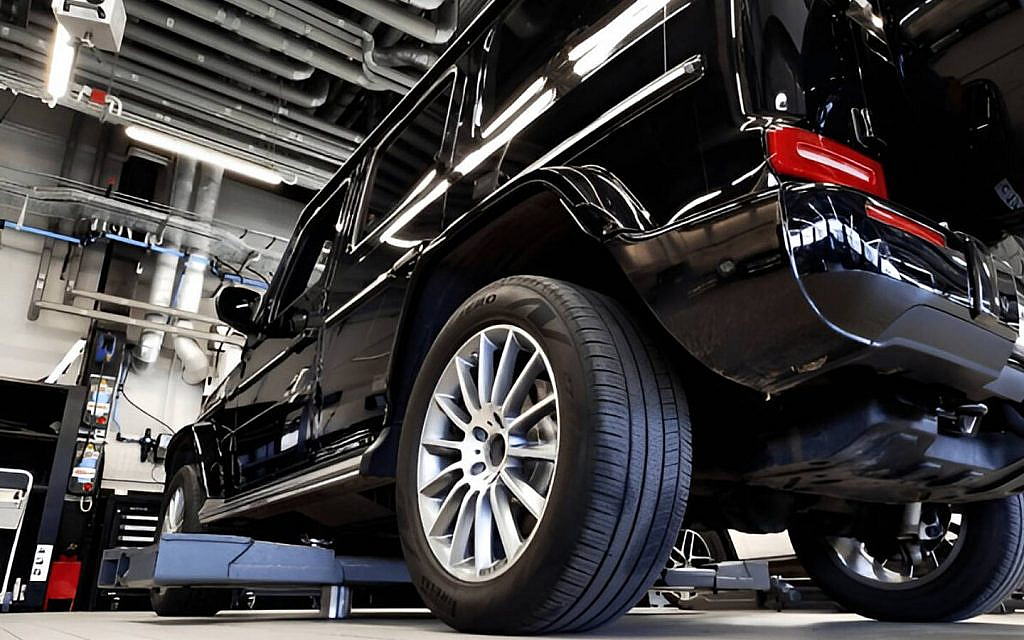
After driving through harsh conditions, a full inspection of the vehicle is necessary. The undercarriage should be cleaned of mud, sand or salt to prevent corrosion. Air filters may need replacement, especially after exposure to dust or sand. Brakes, car suspension components and fluid levels must be checked. Regular maintenance extends the life of the vehicle and ensures it remains reliable for future trips.
FAQs
What Are The Ways Of Handling Extreme Heat During Off-Road Adventures?
Handling extreme heat during off-road adventures involves staying hydrated, using sun protection, maintaining vehicle cooling systems and scheduling travel during cooler hours.
What Are The Best Tips For Off-Roading In Extreme Weather?
The ideal tips for off-roading in extreme weather include proper vehicle preparation, weather-specific gear, off-roading accessories, real-time monitoring and adapting driving techniques to conditions.
How Do I Drive Safely On Muddy And Slippery Off-Road Trails?
Drive safely on muddy and slippery off-road trails by maintaining steady momentum and lowering tyre pressure for traction. Moreover, avoid sudden turns or braking.
There you have it, some effective tips for off-roading in harsh weather. From choosing the right off-roader to carrying the right gear, everything comes into play for surviving off-road trips in tough weather conditions.
Moreover, ensure proper off-road vehicle maintenance before and after the trip to prolong the life of your ride. Modern vehicles come equipped with a range of features ideal for off-roading adventures. Browse through these new cars for sale in the UAE and explore the vast collection of off-roaders and other vehicles.
Stay tuned to dubizzle’s auto blog to learn how to deal with extreme weather conditions when driving and more.
Related Posts