The air pollution caused by transport is usually linked with exhaust pipes and fuel combustion. However, these are not the only causes of emissions. Non-exhaust emissions like brake dust, tyre wear and several other factors also contributes in increasing car pollution. These non-exhaust emissions from cars are equally harmful to the environment and should be addressed promptly to mitigate long-term impacts.
What are Non-Exhaust Emissions From Cars
A car’s non-exhaust emissions refer to particulate matter released from vehicles without the involvement of fuel combustion. These emissions originate from the wear and tear of car engine components and other external parts.
These microscopic particles escape into the air and remain there for extended periods. Moreover, many contain elements such as heavy metals, synthetic rubber and toxic chemical compounds, all of which are harmful to the environment.
Vehicle Non-Exhaust Pollution Sources
Some common sources of non-exhaust emissions include:

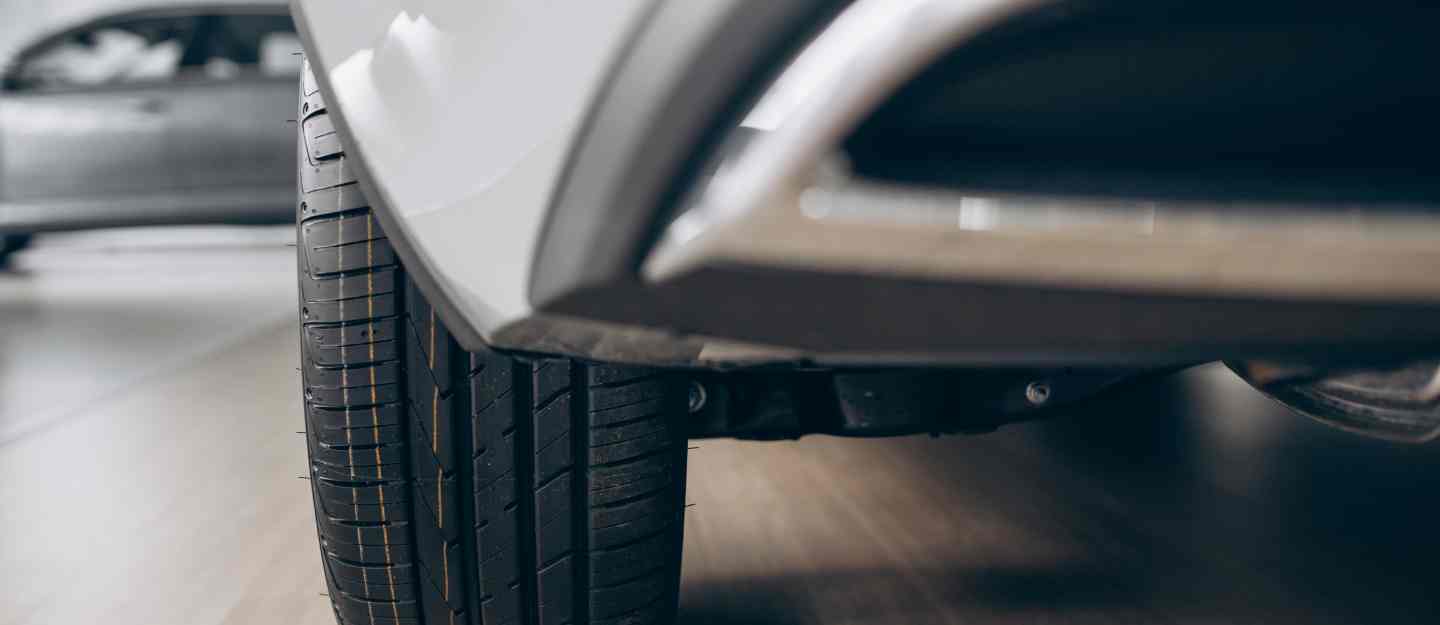
Tyre wear
Tyre wear emissions are a common source of non-exhaust releases. Friction between tyres and road surfaces leads to wear and tear. Consequently, tiny particles are released into the air. Aggressive acceleration and additional weight on the vehicle also accelerate tyre tread wear and other deterioration, leading to increased non-exhaust emissions.
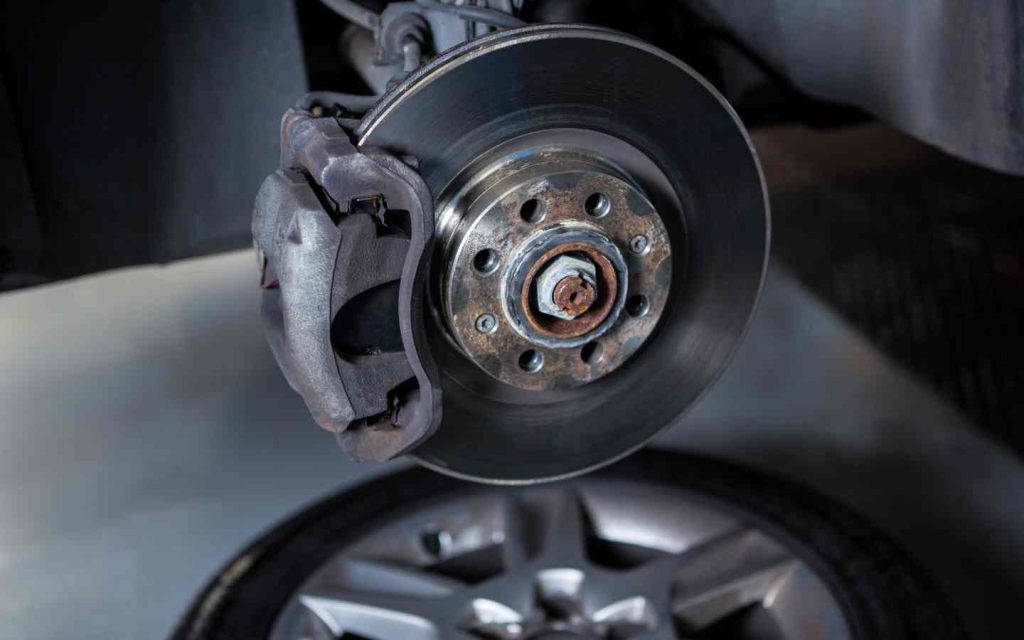
Brake wear
Brake wear emissions are generated by the friction between pads, discs and other components. During braking, small particles, including metal fragments, become airborne. Frequent and hard braking accelerates the wear and tear of the components. EVs have regenerative braking that combats this issue.
Road Surface Wear
Road surface wear is another source of non-exhaust emissions from cars. Constant contact and pressure erode the road surface. In particular, heavy vehicles such as buses and trucks contribute more to this damage because of the excess weight.
Resuspension of Road Wear
Harmful particles left on the road can become airborne due to wind, turbulence and vehicle movement. Dry weather and high traffic volumes can accelerate resuspension on the roads.
Health and Environmental Effects of Non-Exhaust Emissions From Cars
Non-exhaust car particulate emissions are equally dangerous to the environment. Harmful particles can enter the respiratory system and cause diseases. Moreover, it causes other environmental concerns, such as:
- Water pollution from tyre particles
- Soil contamination
- Reduced urban air quality
- Harm to aquatic ecosystems
Ways to Tackle Non-Exhaust Vehicle Wear Pollution
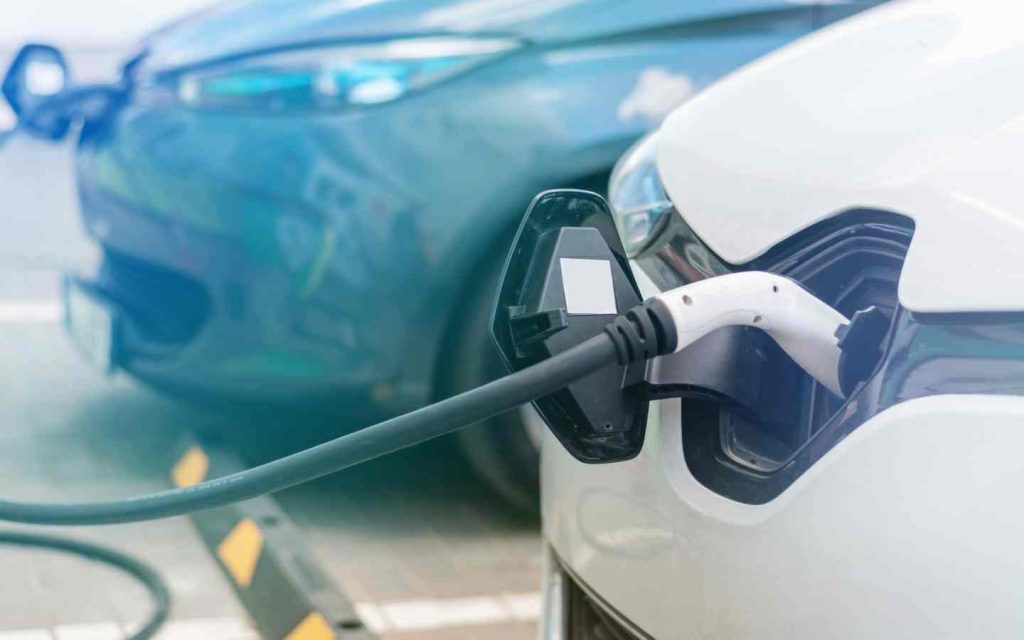
Several strategies can help combat the issue of non-exhaust emissions in vehicles.
- Improved tyre technology
- Regenerative braking systems
- Better urban planning
- Road surface improvements
- Adopting good driving techniques
FAQs
What are non-exhaust emissions from cars?
Non-exhaust emissions from vehicles are the ones released due to brake and tyre wear, road surface abrasion and resuspended road dust.
How are non-exhaust emissions different from exhaust emissions?
Non-exhaust emissions are caused by component wear and tear, while exhaust emissions are caused by fuel combustion.
Do Tyres produce pollution?
Yes, tyres cause pollution by releasing small particles in the air during driving.
There you have it, everything to know about the sources of non-exhaust vehicle emissions. These emissions represent a challenge in modern transportation. Thankfully, eco-friendly vehicles are advancing and appearing as a viable solution to eliminating harmful emissions.
Manufacturers are introducing vehicles that are not harmful to the environment. Eco-conscious drivers can find a range of new and used electric cars for sale in the UAE, available with numerous features. Besides opting for eco-friendly vehicles, car owners should adopt sustainable driving habits to play their part in preserving the environment.
Stay tuned to dubizzle’s auto blog for information about the impact of transport on the environment and practical solutions.
Related Posts