
With the rising popularity of electric vehicles (EVs), comparisons with traditional combustion engine cars have become increasingly common. Automakers are continuously improving EV technology to match the performance and practicality of conventional models and fuel consumption remains a key point of reference. While combustion engines are measured in Miles Per Gallon (MPG), electric vehicles use a different standard to evaluate efficiency, known as MPGe.
What Does MPGe Mean
MPGe stands for Miles Per Gallon Equivalent, a standard measure used to compare the fuel efficiency of electric vehicles with conventional cars. Introduced by the Environmental Protection Agency (EPA) in 2010, it provides a common benchmark for evaluating the efficiency of petrol, hybrid and alternative-fuel vehicles.
A higher MPGe rating indicates that an electric car uses its electricity more efficiently, but it does not necessarily mean a longer electric range. Instead, MPGe serves as a standardised metric to compare energy consumption and running costs across different types of vehicles.

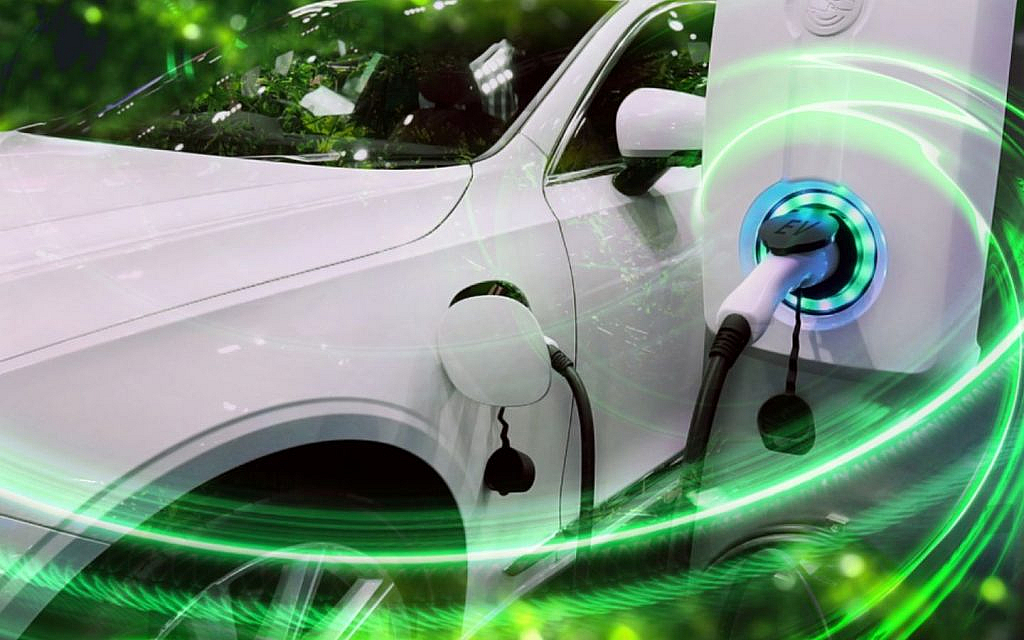
MPGe Calculation for EVs
The value of MPGe is based on the standard that one gallon of petrol equals 33.7 kilowatt-hours (kWh) of electricity. In simple terms, MPGe indicates how far an electric vehicle can travel using that amount of energy. For example, if an EV covers 100 kilometres on 33.7 kWh of electricity, it would be rated at 100 MPGe.
Factors Affecting MPGe in Electric Vehicles
The MPGe of electric vehicles can vary depending on several factors, including tyre condition, vehicle weight and the car’s aerodynamics. Some of the most common elements that affect MPGe are as follows:
- Vehicle weight: Heavier vehicles require more power to move, which lowers their overall MPGe.
- Aerodynamics: A streamlined design reduces air resistance and drag, enabling the vehicle to maintain speed while using less energy.
- Driving conditions: Factors such as terrain, frequent acceleration and braking, or driving at higher speeds demand additional electricity from the battery, reducing MPGe.
- Use of cabin features: Systems like heating, cooling and in-car entertainment consume battery power, lowering the energy available for driving and affecting efficiency.
- Tyre condition: Properly inflated, low-resistance tyres minimise energy loss from friction and drag, helping improve MPGe.

FAQs
What is the full form of MPGe?
MPGe stands for Miles Per Gallon Equivalent, a unit used to measure the efficiency of electric and alternative-fuel vehicles.
How is MPGe different from MPG?
MPG measures how far a combustion engine car travels on one gallon of fuel, while MPGe shows how far an EV can travel on the energy equivalent of one gallon of petrol, that is 33.7 kWh of electricity.
What is considered a good MPGe rating?
A good MPGe rating typically falls above 100, with higher values indicating greater energy efficiency.
This is what MPGe means for electric vehicles, along with the key factors that can influence it. As a standard unit for measuring the efficiency of alternative-fuel cars, it helps drivers understand how effectively a vehicle utilises its battery power. When considering a new or used electric car for sale in the UAE, reviewing its MPGe rating can help make a more informed decision.
Stay connected with dubizzle’s auto blog for more information on electric cars.
Related Posts