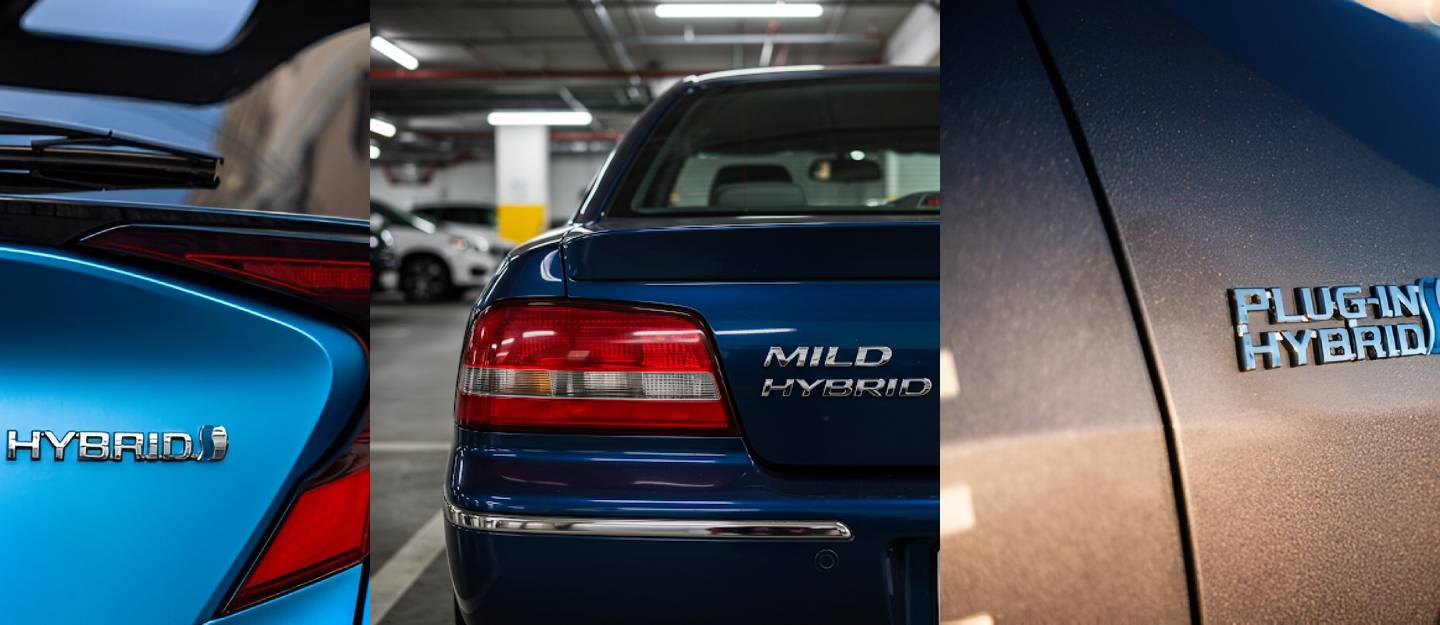
The road towards a sustainable future has seen the automotive industry introduce a variety of eco-friendly mobility options. While electric cars lead the charge, several other eco-friendly options have emerged. Hybrid cars, for instance, are also a sustainable mode of mobility. Several variants of these vehicles have also been introduced like mild and plug-in hybrids. Although not as eco-friendly as EVs, these hybrid vehicles still contribute to the environment. Seemingly similar, all these types are different from each other. We will do a detailed mild hybrid vs full hybrid vs plug-in hybrid comparison and see how each has a distinct identity and functionality.
Mild Hybrid vs Full Hybrid vs Plug-In Hybrid
Like electric vehicles, hybrid cars are also preferred choices for conscious drivers. Hybrid cars offer the best of both worlds. Additionally, these vehicles do not lag behind in terms of performance and design from their electric and petrol counterparts.
Hybrid vehicles have evolved greatly with time. Mild hybrid and plug-in hybrids are two additions to the market. With a variety of choices available, buyers may have a dilemma when making a final call. This comparison between hybrid, mild hybrid and plug-in hybrids can help buyers understand the difference better and make an informed decision.
What Are Full Hybrid Cars
Hybrid cars use two modes of energy – an internal combustion engine (ICE) and an electric motor. These eco-friendly vehicles use either of the options to power the vehicle. These vehicles produce less emissions and contribute to the environment. Additionally, hybrid cars are more fuel-efficient than conventional petrol vehicles.
It is also possible to jumpstart hybrid vehicles like any conventional vehicle. Moreover, hybrid cars use regenerative braking for energy restoration.

What Are Mild Hybrid Cars
Mild hybrid electric vehicles (MHEV) also house an ICE and an electric motor. Seemingly similar to conventional hybrids, both types are fairly different. Unlike full hybrid vehicles, mild hybrids cannot run on one source of energy. The engine and electric motor work simultaneously to make the vehicle mobile.
The additional electric motor helps reduce the load on the combustion engine. Consequently, these vehicles cause less emission and consume less fuel. Moreover, mild hybrid electric vehicles do not need to be plugged in for charging.
What Are Plug-In Hybrid Cars
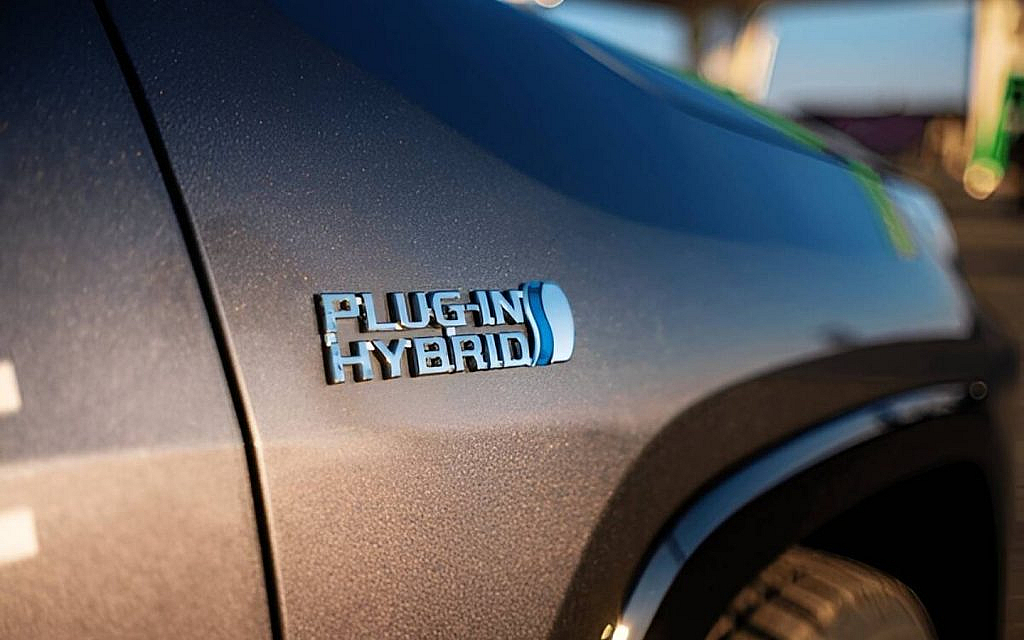
Plug-in hybrid electric vehicles (PHEVs) combine an internal combustion engine with an electric motor. Additionally, these cars have a larger battery pack compared to regular hybrids. These vehicles can be plugged in to recharge the battery, allowing them to drive on electric power alone for a certain range.
However, once the battery is depleted, the vehicle operates as a traditional hybrid, using both the engine and electric motor. These vehicles are more eco-friendly and fuel-efficient than mild and full hybrids. These advanced plug-in hybrid vehicles are only available with automatic transmissions.
Mild Hybrid vs Full Hybrid vs Plug-In – Which is Better?
All these vehicle types have their respective set of advantages and drawbacks. Mild hybrid cars are ideal for budget-conscious drivers who want improved fuel economy without changing driving habits or installing chargers.
Whereas, full hybrid vehicles are suited for those seeking better efficiency and occasional electric-only operation without external charging requirements. Meanwhile, plug-in hybrids are right for drivers who have easy access to chargers to power up their vehicles.
Moreover, these are ideal for people wanting a longer electric car range while retaining flexibility for long-distance trips.
Consider the driving habits, budget and access to charging infrastructure before deciding.
FAQs
Do Hybrids Require Special Maintenance?
Hybrids generally require similar maintenance to conventional vehicles, with some additional considerations for battery health. Regular servicing is recommended to maintain efficiency.
Are Hybrids More Environmentally Friendly Than Petrol Cars?
Yes, hybrids typically produce fewer emissions than conventional vehicles. Additionally, plug-in hybrids offer the most significant environmental benefits when used primarily in electric mode.
Do All Hybrid Types Require External Charging?
No, only plug-in hybrids require external charging. Mild and full hybrids charge through regenerative braking and the combustion engine.
This brings us to the end of the mild hybrid vs full hybrid vs plug-in hybrid comparison. All types more or less contribute to the environment one way or the other. The self-charging hybrids are ideal for people with limited access to charging stations. Conversely, people with home charging stations can opt for plug-in hybrids and enjoy the many benefits that follow.
Moreover, browse through these used hybrid cars for sale in the UAE to buy any of the variants.
Stay tuned to dubizzle’s auto blog for detailed comparisons about different types of cars and more.
Related Posts