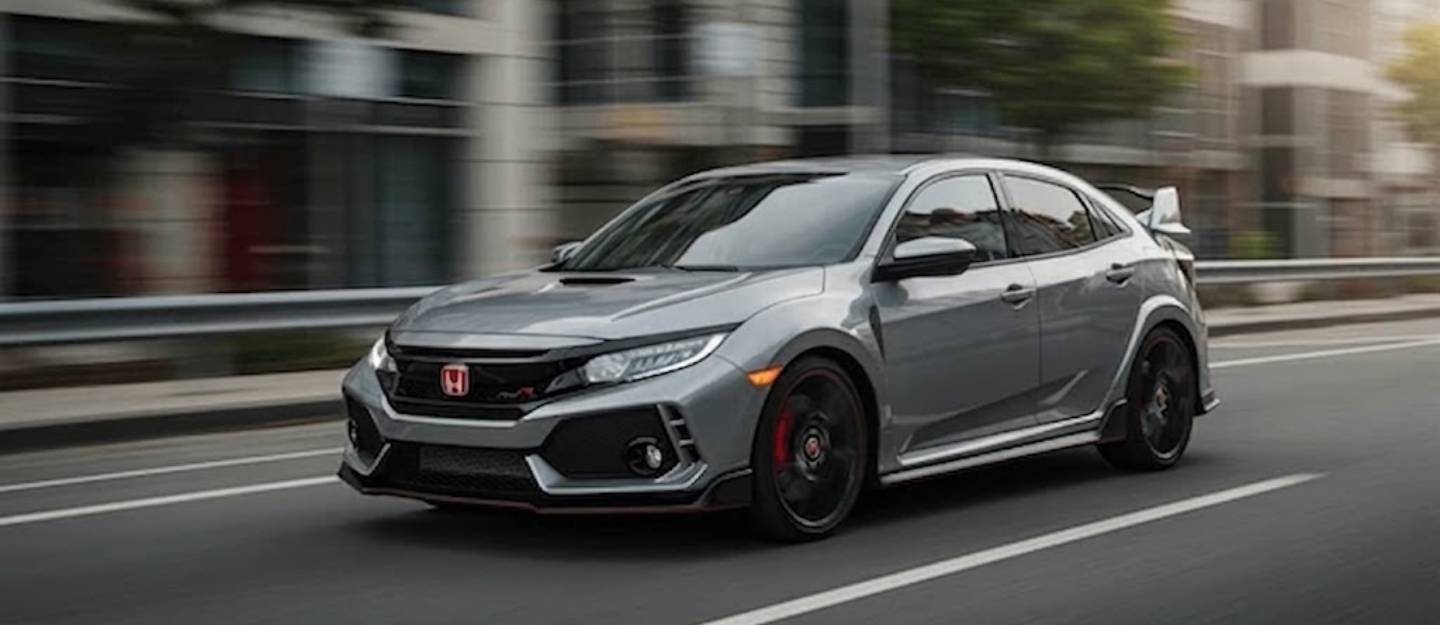
Honda’s Type R badge has become a symbol of high-performance engineering, known for delivering an engaging driving experience. Since introducing the first Type R model, Honda has focused on combining lightweight design, precise handling and powerful engines to create cars that appeal to driving enthusiasts. Over the years, the Type R series has evolved, bringing in new technologies while maintaining its core principles. These vehicles have influenced the performance car market from the original NSX Type R to the latest Civic Type R. Let’s explore the Honda Type R through the years and how it has evolved.
The Beginning: NSX Type R (1992-1995)
The Type R journey began with the NSX Type R, introduced in 1992. This model was designed to enhance the performance of the original NSX, which was already recognised as a well-balanced sports car. Engineers focused on weight reduction and handling improvements to create a more track-focused version.
To achieve this, Honda removed several comfort features, including sound insulation, air conditioning and the stereo speakers. The seats were replaced with lightweight Recaro racing seats and the suspension was upgraded for better responsiveness. These modifications resulted in a car that was approximately 120 kg lighter than the standard NSX, making it more agile and capable on the track.
The NSX Type R also introduced a more rigid car chassis type and retuned engine components, allowing for improved throttle response and a higher redline. This model set the foundation for future Type R vehicles, establishing the core philosophy of performance through weight reduction, precision tuning and driver-focused design.
Expanding the Lineup: Integra Type R (1995-2001)
Following the success of the NSX Type R, Honda expanded the Type R lineup with the Integra Type R in 1995. This model was designed to provide a high-performance experience in a more accessible package.

The Integra Type R featured a 1.8-litre DOHC VTEC engine producing around 197 hp. It was paired with a close-ratio 5-speed manual transmission and a helical limited-slip differential, improving traction and cornering stability. The chassis was reinforced to increase rigidity and the suspension was tuned for precise handling.
Weight reduction was once again a priority, with Honda removing non-essential features and using lighter materials. Moreover, a car spoiler was mounted over the rear window above the brake lights. The result was a car that delivered an engaging driving experience, earning it a reputation as one of the best front-wheel-drive performance cars of its time.
The Civic Joins the Type R Family (1997-Present)
In 1997, Honda introduced the Civic Type R, bringing the Type R concept to the compact car segment. The first-generation Civic Type R (EK9) was based on the three-door hatchback and featured a 1.6-litre B16B engine producing 182 hp. This engine was one of the most powerful naturally aspirated 1.6-litre engines at the time, thanks to its high-revving VTEC system.
To enhance performance, the Honda Civic Type R strengthened the chassis, improved car aerodynamics and fitted a track-tuned suspension system. The EK9 also featured a stripped-down interior with lightweight materials to reduce weight.
Subsequent Honda Civic Type R generations introduced more advanced engineering and higher power outputs. In 2015, Honda moved to a turbocharged 2.0-litre engine, significantly increasing performance while maintaining the car’s lightweight and agile characteristics.
The latest Honda Civic Type R continues to push boundaries with improved aerodynamics, more refined suspension setups and increased power.
Honda Type R Performance and Engineering Philosophy
Honda is one of the most popular used Japanese car brands in the UAE and the success of Type R models is based on Honda’s engineering philosophy. Each Type R model undergoes extensive testing and refinement to optimise aerodynamics, weight distribution and driving dynamics.
Honda uses lightweight materials such as aluminium and carbon fibre in key areas to improve performance without compromising structural integrity. Aerodynamic features, such as large rear wings and aggressive front splitters, enhance stability at high speeds. The suspension systems are also fine-tuned to provide a balance between comfort and responsiveness, ensuring a strong connection between the driver and the road.
FAQs
What does the ‘R’ in Type R stand for?
The ‘R’ in Type R stands for ‘Racing’. It signifies that these models are designed with a focus on Honda Type R performance through the years.
What makes a Type R different from standard Honda models?
Honda Type R models over time featured enhanced performance components, including high-revving engines, sport-tuned suspensions and aerodynamic improvements.
What is the most powerful Type R model?
The latest generation of the Civic Type R is the most powerful production Type R model to date, featuring a turbocharged 2.0-litre engine that produces over 300 PS.
This was all about the evolution of Honda Type R. Honda’s Type R lineup has built a lasting legacy in the automotive world, offering a combination of performance, precision and driving enjoyment. With each new generation, Honda refines the Type R formula, ensuring that it remains relevant and competitive in an evolving automotive landscape.
If you are also interested in availing of these features, browse through these used Honda Civic for sale in the UAE. Besides, if you are planning to upgrade your ride and enjoy the latest features, check out these used and new cars for sale in the UAE.
Stay tuned to dubizzle’s auto blog for more information on the Honda Type R models.
Related Posts