
The marine world is progressing with advanced systems that enhance comfort, control and stability on water. Gyro boat stabilisers are one of the key innovations gaining popularity among boat owners. Used in both private and commercial vessels, they provide a modern solution to traditional stability issues. As demand grows, understanding how these systems operate and what they offer is becoming essential for anyone interested in boating technology.
What Is a Gyro Boat Stabiliser?
A gyro stabiliser is a device installed aboard a vessel. It consists of a flywheel that spins at high RPMs and is made to resist rolling motions induced by waves and wind. By harnessing angular momentum, these devices generate torque to counteract the boat’s roll, enhancing safety, comfort and overall performance. A gyroscopic stabiliser for boats works effectively when the boat is in motion and at rest.
How Do They Work?
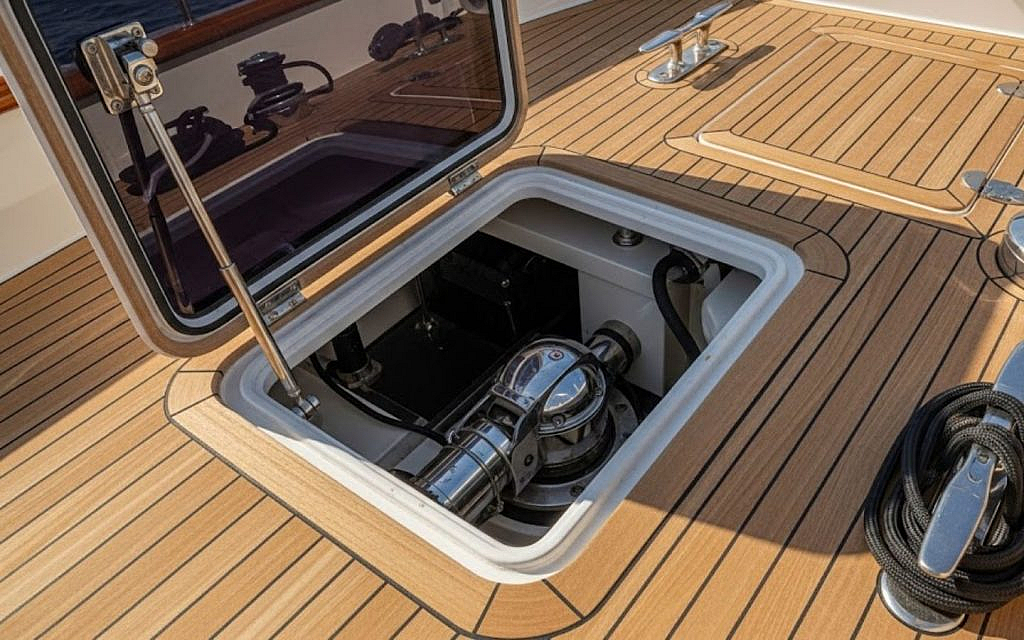
The working principle is based on gyroscopic precession. Here is a comprehensive explanation:
Gyroscopic Force
Gyro boat stabilisers use the principle of gyroscopic precession. At the centre of the stabiliser is a heavy flywheel. This flywheel spins at a very high speed, typically between 5,000 and 10,000 revolutions per minute (RPM).
When spinning, the flywheel resists any force that tries to change its axis of rotation. This resistance creates a stabilising force that helps reduce the boat’s side-to-side rolling motion. The science behind it is similar to how a spinning top stays upright and resists tipping over.
The Role of Precession
When the boat rocks due to waves, the spinning flywheel does not directly stop the motion. Instead, it reacts by tilting in a different direction, a phenomenon known as precession. The precession creates a powerful torque that pushes back against the rolling motion.

For example, if the boat rolls side to side, the flywheel’s precession moves forward and backwards. This reaction creates a force that counters the roll and steadies the boat. The stabiliser does not stop movement altogether, but reduces it by up to 95% in some cases.
Flywheel Spin Inside a Vacuum
To achieve high speeds safely and efficiently, the flywheel is enclosed in a sealed, vacuum-tight sphere or housing. This vacuum reduces air resistance, allowing the flywheel to spin faster and use less power. It also protects the internal parts from moisture and corrosion. Most modern stabilisers use advanced cooling systems and sensors to monitor the spin speed, temperature and internal pressure.
Mounting and Axis Movement
The stabiliser unit is mounted securely inside the boat’s hull. It is placed so that it can tilt forward and backwards but not side to side. This controlled movement enables the flywheel to produce torque through precession.
The entire system is usually installed in the engine room or lower deck. Because it is all inside the hull, there are no external parts, which means no added drag and no risk to swimmers or underwater hazards.
Instant and Smooth Operation

One of the biggest advantages of gyro stabilisers is how quickly and smoothly they react. As soon as the boat begins to move, the system starts working. There is no delay and it provides constant torque during movement, which keeps the ride comfortable. Unlike traditional fin stabilisers, which need water flow to function, gyro stabilisers work at zero speed.
Advantages of Using Gyro Boat Stabiliser
Gyro boat stabilisers are becoming more popular because they offer clear benefits over older systems. These stabilisers help improve comfort, boat safety and performance.
Works at Zero Speed
Gyro stabilisers function even when the boat is completely still, making them perfect for anchoring, fishing, or relaxing in calm waters. This feature offers comfort and stability during downtime, ensuring a steady experience, whether cruising or simply anchored offshore.
Reduces Roll and Seasickness
Gyro stabilisers reduce side-to-side roll by up to 95%, making the boat much steadier. This helps prevent seasickness, especially in rough waters. Passengers can walk, eat or relax more comfortably and safely with less movement. It also improves the experience for children and elderly people on board. The smoother ride adds to overall comfort and allows longer trips without discomfort.
No External Parts or Drag
Gyro stabilisers are installed completely inside the boat, with no fins or parts sticking into the water. This design eliminates drag, which helps maintain fuel efficiency and speed. It also lowers the risk of damage from floating debris or marine life. Because there are no external components, swimmers and divers can safely be around the boat without worry. The system remains protected and effective in all conditions.
Quiet Operation and Less Maintenance
Boat stabiliser gyro spin inside sealed vacuum chambers, which minimise noise during use. This makes them quieter than many traditional systems. Their enclosed design also protects internal components from saltwater and moisture. With fewer exposed or moving parts, they cause less boat maintenance over time. This results in better long-term reliability and lower servicing costs, making them a smart choice for regular boat users.
Adds Value and Improves Use
A boat with a gyro stabiliser is more attractive to buyers and can have a higher resale value. It also improves daily use by providing better comfort and stability in all sea conditions. This is useful for both leisure trips and commercial operations. The added control and safety make tasks on board easier and more efficient.
FAQs
How long does it take for a yacht gyro stabiliser to start up?
Most gyro stabilisers take 30 to 45 minutes to reach full operating speed after being powered on.
Can a gyro stabiliser be retrofitted to an older boat?
Yes, many gyro stabilisers are designed for retrofit applications. However, the boat must have enough space, structural support and power availability to accommodate the unit.
Are marine gyro stabilisers compatible with all hull types?
Gyros work well on most monohulls and some multihulls. However, their effectiveness can vary depending on hull shape, centre of gravity and vessel response to wave energy.
Are internal boat stabilisers effective in all sea conditions?
Gyro stabilisers are most effective in moderate to rough seas, where side-to-side roll dominates. They are less effective against pitching motions or vertical heave.
Gyro boat stabilisers effectively and reliably reduce roll and improve comfort on the water. Whether cruising or anchored, their ability to work at zero speed, need less maintenance and increase a boat’s value makes them a smart choice. If you want better stability and comfort, consider them when you buy a used boat in the UAE. Besides, make sure to follow the boat safety guide as a precaution to any emergency during a boat trip.
Keep visiting the UAE’s leading autos blog for more information on marine transport and boating.
Related Posts