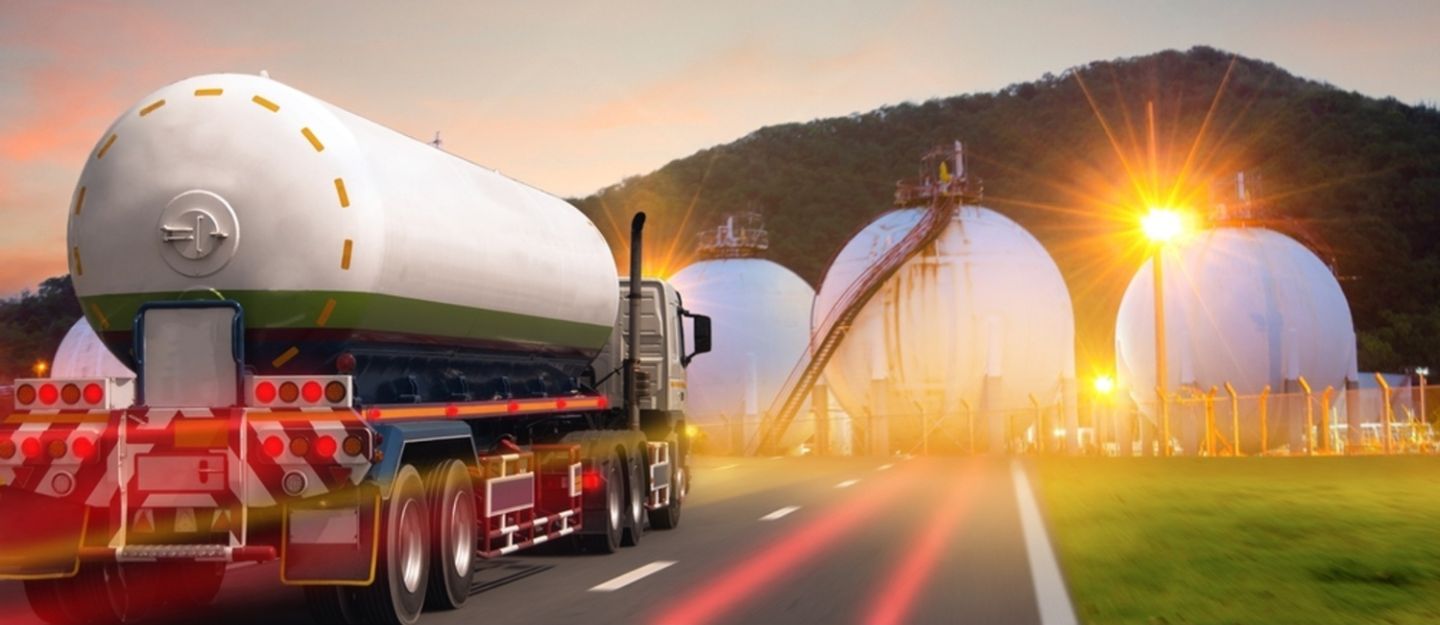
The demand for car fuel is changing as environmental rules become stricter worldwide. Many regions now focus on cleaner options to meet transport needs while reducing harmful emissions. In this context, new methods of producing liquid fuels are being explored. Among them is gas-to-liquid technology, which is gaining attention in the automotive and energy sectors for its future potential.
What is Gas-to-Liquid?
Gas-to-Liquid (GTL) is a refinery process that chemically converts natural gas, which is predominantly methane (CH4), into longer-chain liquid hydrocarbons such as synthetic diesel, kerosene (jet fuel) and naphtha. The technology operates through a multi-stage process. First, the natural gas feedstock is purified and converted into a mixture of hydrogen (H2) and carbon monoxide (CO), known as synthesis gas or ‘syngas’.
This syngas then enters the core of the process, a catalytic reactor where the Fischer-Tropsch synthesis rebuilds these fundamental components into long paraffinic hydrocarbon chains, essentially a form of synthetic crude oil.
Gas-to-Liquid Fuels
Gas-to-liquid fuels are made from natural gas using advanced conversion processes. They offer cleaner and more consistent fuel options for different transport and industrial uses.
GTL Kerosene
GTL kerosene is one of the key products made in the GTL process. It has very low sulphur and aromatic content, making it cleaner than conventional kerosene. Airlines use it for aviation fuel because it burns efficiently and produces fewer emissions.

It also performs well in cold temperatures, which is important for high-altitude flights. In addition to aviation, GTL kerosene is used in heating and lighting applications in regions where cleaner fuel options are preferred.
GTL Base Oils
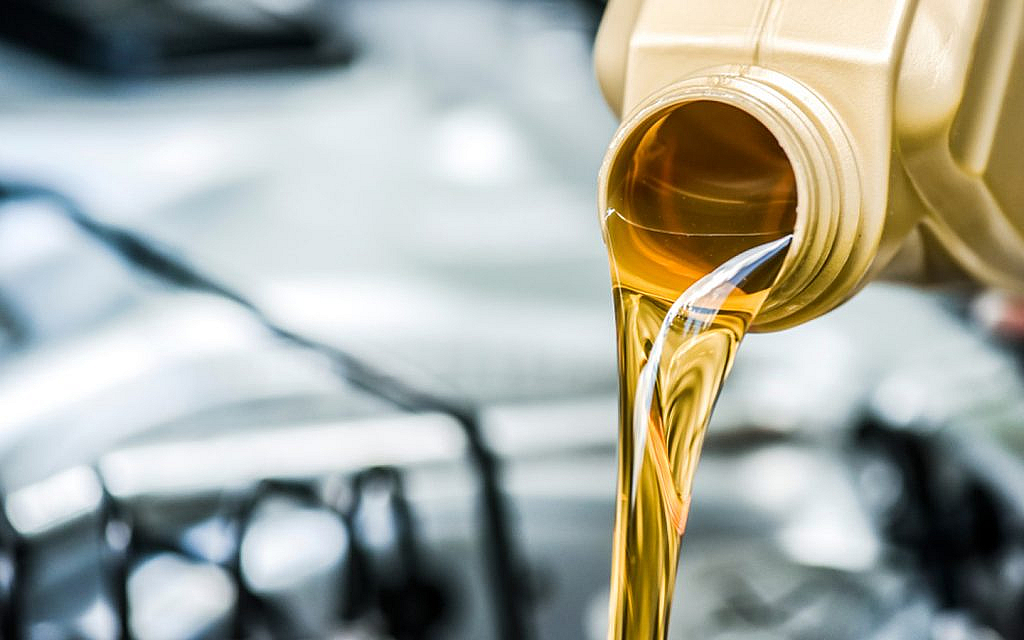
GTL base oils form the foundation for many premium lubricants and car engine oils. They have a very high viscosity index, low volatility and excellent oxidation stability. This means oils made from GTL base stocks perform well under extreme temperatures and last longer. They meet the standards for high-end engine oils, industrial lubricants and transmission fluids.
Advantages of GTL Technology

Gas-to-Liquid technology offers several advantages, from using natural gas to producing cleaner fuels and improving energy security.
Utilises Stranded Gas Reserves
GTL technology converts remote natural gas into valuable liquid fuels. GTL plants turn this gas into diesel, kerosene, lubricants and other products. This ensures better energy use and supports cleaner fuel production.
Cleaner and Low-Emission Fuels
One of the biggest advantages of GTL is its clean-burning nature. The fuels have almost no sulphur and low aromatic content. This leads to significantly lower emissions of particulate matter, carbon monoxide, hydrocarbons and nitrogen oxides.
Engine-Friendly and Drop-In Ready
GTL diesel can be used directly in existing diesel car engines without modification. It works with the same infrastructure for storage and transport, avoiding costly upgrades. The high cetane number also improves combustion efficiency, resulting in smoother engine operation and less wear.
Quieter and Safer Operation
Engines in cars using GTL fuels run with less noise due to improved combustion quality. The fuels are odourless, non-toxic and biodegradable, making them safe for vehicle use. They stay stable even during long-term storage, reducing risks of fuel contamination. This reliability ensures consistent engine performance and safety for car owners, especially in demanding driving conditions or emergency situations.
Energy Security and Better Lubricants

In the UAE, natural gas resources have the potential to be used through GTL technology to produce cleaner fuels locally, reducing dependence on crude oil. At the same time, GTL processes create synthetic engine oils with high viscosity and thermal stability. These oils better protect car engines, improve efficiency and maintain performance across a wide range of temperatures.
FAQs
What makes gas-to-liquid fuel production cleaner than conventional fuels?
GTL fuels have very low sulphur and aromatic content, which leads to lower emissions of harmful pollutants like particulates, carbon monoxide and nitrogen oxides.
What are GTL base oils and why are they important?
GTL base oils are used in high-quality lubricants. They provide excellent viscosity, stability and performance even in extreme temperatures.
Is GTL fuel safe to store and use?
Yes, GTL fuels are odourless, non-toxic, biodegradable and stable in long-term storage, making them safer for various applications.
There you have it, gas-to-liquid technology explained. This technology offers a cleaner, efficient way to convert natural gas into high-quality fuels and lubricants. It supports lower emissions, energy security and better engine performance, making it an important solution for future transport and industrial energy needs.
The shift towards low-emission fuels can improve the reliability of older vehicles. It can also benefit buyers interested in used cars for sale in the UAE.
For more information on automotive technologies, keep visiting the UAE’s most popular autos blog.
Related Posts