- What Are Freeze Plugs
- Location
- Types
- Failure Causes
- Bad Freez Plug Signs
- Freeze Plug Problems Prevention
- FAQs
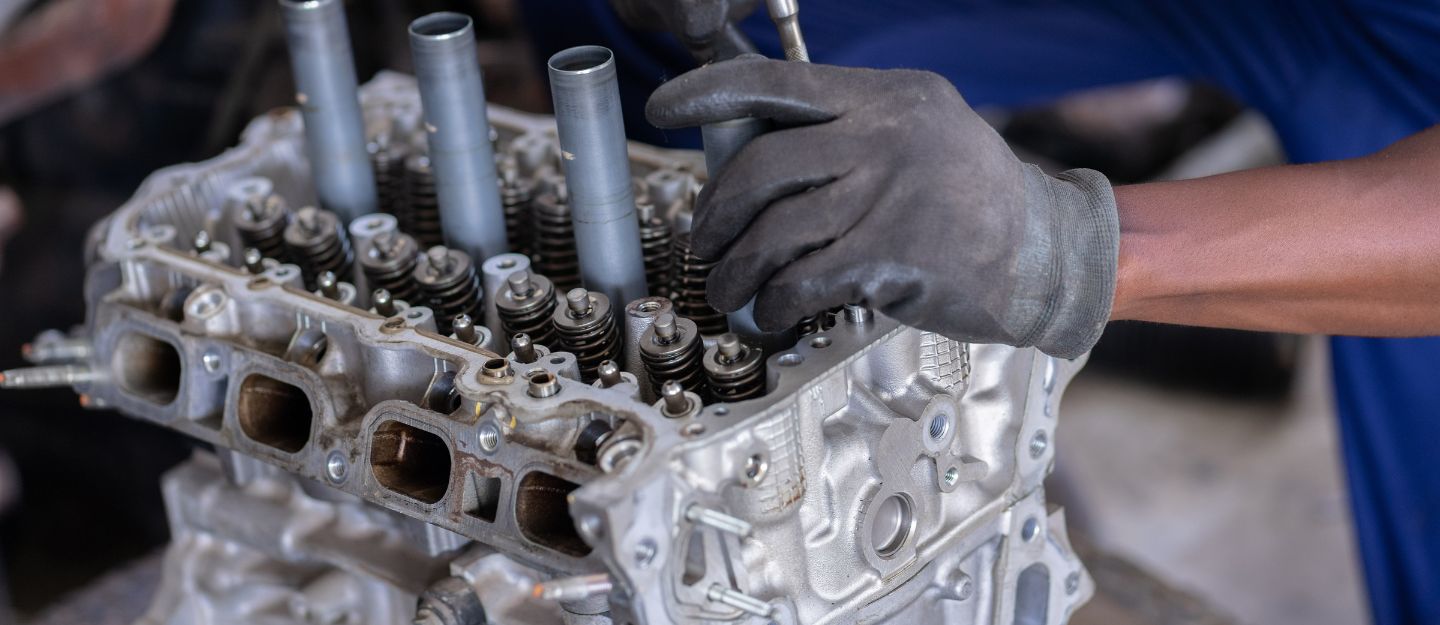
Freeze plugs are small but essential components in a car’s engine block. They play a critical role in protecting the engine from severe damage caused by coolant freezing or pressure buildup. Despite the name, freeze plugs do much more than prevent freezing issues.
What Are Freeze Plugs in a Car?
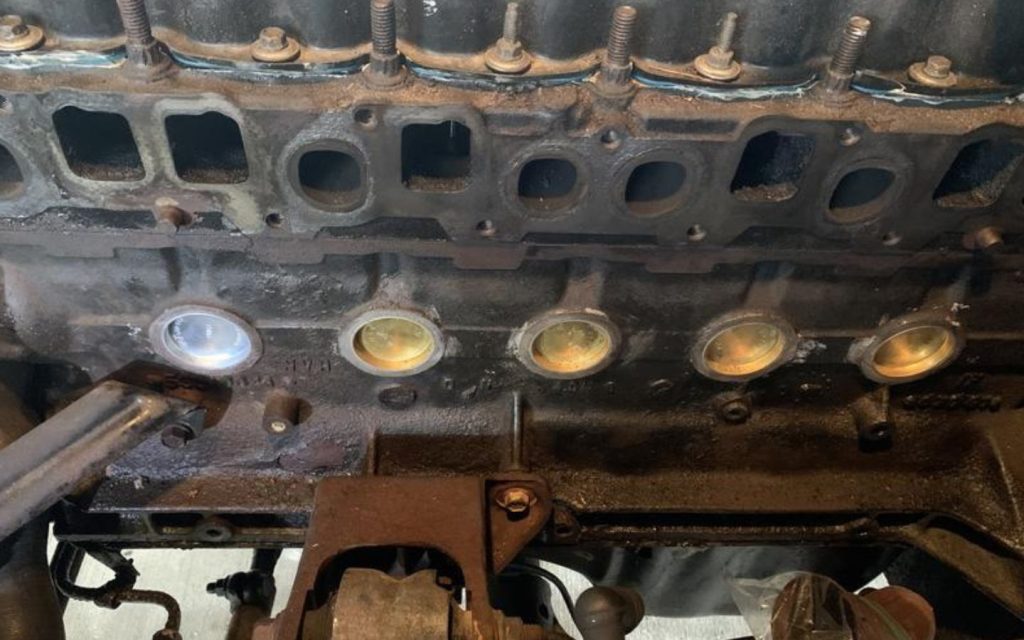
Freeze plugs, also known as core plugs, expansion plugs or welch plugs, are metal or sometimes rubber plugs installed in the engine block and cylinder head. They seal the openings left behind when the engine block is cast. The primary function of freeze plugs is to:
- Seal casting holes in the engine block
- Allow coolant passage during engine operation
- Protect the engine block from cracking under extreme pressure
Why Are They Called Freeze Plugs?
In cold temperatures, if engine coolant freezes, it expands. This expansion creates extreme internal pressure that can crack the engine block. Freeze plugs can pop out under this pressure, acting as a pressure relief point, reducing the risk of engine damage.
Where Are Freeze Plugs Located?
In most vehicles, freeze plugs are found:
- On the sides of the engine block
- At the rear of the engine (near the transmission)
- On cylinder heads in some engine designs
Their size and number vary depending on engine design and manufacturer.

Types of Freeze Plugs
Different manufacturers use different materials and designs depending on engine requirements.
Steel Freeze Plugs
Steel freeze plugs are the most commonly used type in modern engines. They are press-fitted into the engine block openings during manufacturing. While they are strong and reliable under normal conditions, they are more prone to rust and corrosion over time, especially if the coolant is not maintained properly.
Brass Freeze Plugs
Brass freeze plugs offer better resistance to corrosion compared to steel variants. They are often found in rebuilt or performance engines where longevity is a priority. Because of their durability in harsh conditions, they tend to have a longer service life.
Rubber Expansion Plugs
Rubber expansion plugs are mainly used for quick fixes or emergency repairs. They are easier to install since they do not require machining or press-fitting. However, they are not typically used in factory engines and are considered a temporary or aftermarket solution.
What Causes Freeze Plug Failure?
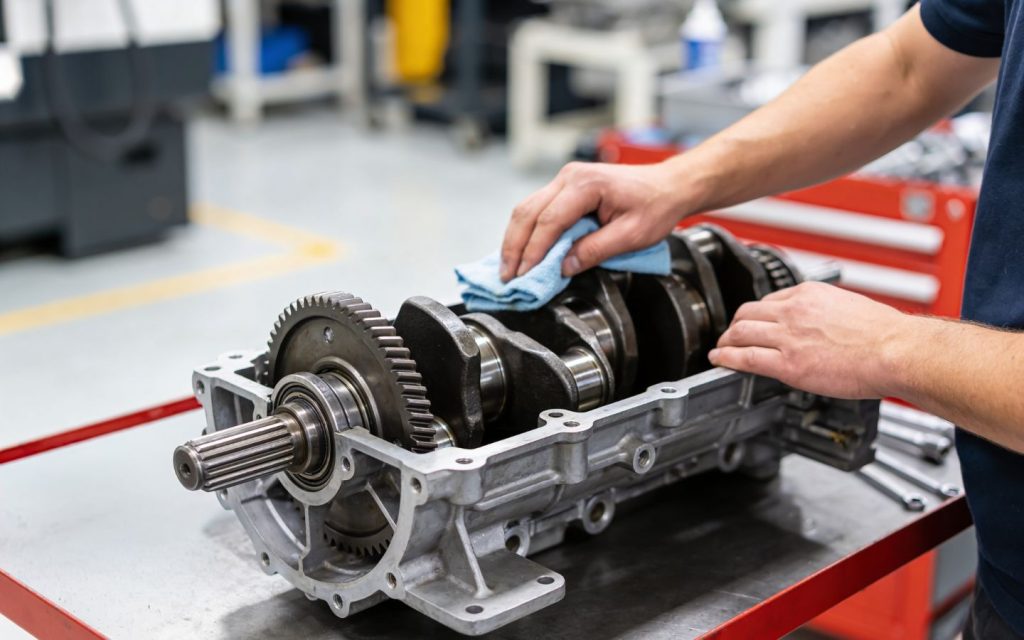
Freeze plugs don’t fail frequently, but when they do, it is usually due to underlying cooling system issues. Some of the common causes include:
- Coolant corrosion due to poor maintenance
- Use of water instead of a proper coolant mixture
- Extreme temperature change
- Internal rust buildup inside the engine block
- Old age and wear of metal plugs
- High pressure in the cooling system
Symptoms of a Bad or Failing Freeze Plug
A failing freeze plug often leads to coolant leakage, but symptoms can be subtle at first. Some of the common warning signs are:
- Coolant puddles under the engine
- Visible coolant leaks on the side of the engine block
- Engine overheating
- Low coolant levels without obvious external leaks
- Sweet smell (from leaking coolant)
- White residue or corrosion around the engine block
What Happens If a Freeze Plug Fails?
A failed freeze plug can lead to serious engine issues:
- Rapid coolant loss
- Engine overheating
- Cylinder head or engine block damage
- Potential engine seizure if overheating continues
In extreme cases, a missing freeze plug can make the vehicle undrivable.
How to Prevent Freeze Plug Problems
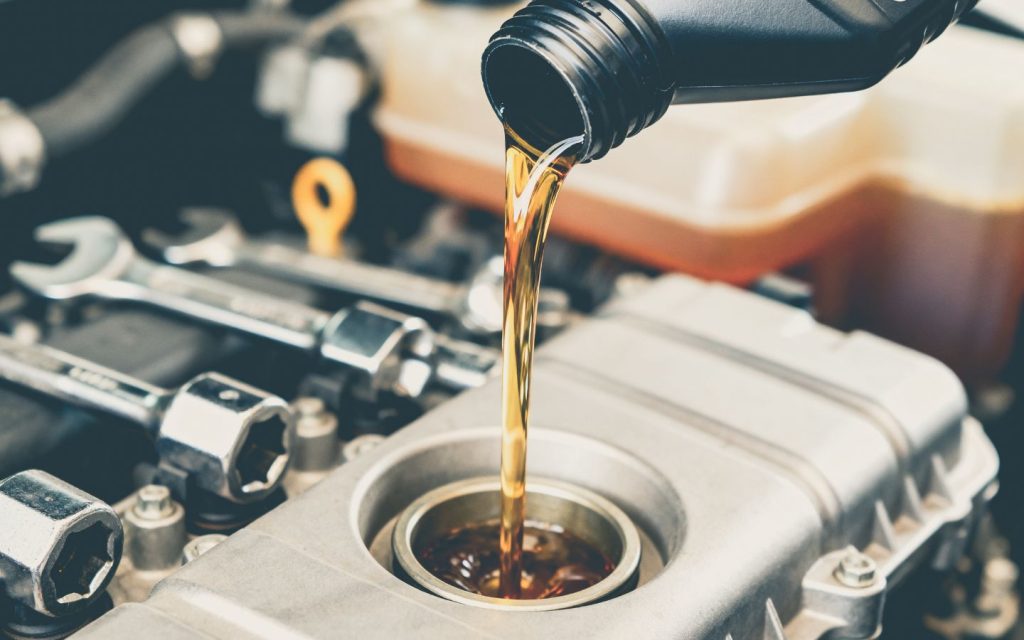
While freeze plugs themselves don’t require maintenance, the cooling system does. Some of the preventive tips include:
- Always use manufacturer-recommended coolant
- Avoid using plain water in the radiator
- Inspect cooling system hoses and radiator condition
- Flush coolant regularly (as per service schedule)
- Fix overheating issues immediately
- Check coolant levels regularly
FAQs
What are freeze plugs in a car and why are they important?
Freeze plugs are metal plugs fitted into the engine block to seal casting holes and help prevent damage from coolant expansion. They also allow coolant circulation inside the engine.
Where are freeze plugs located in an engine?
They are usually found on the sides of the engine block, cylinder head and sometimes at the rear near the transmission.
What causes freeze plugs to fail?
They usually fail due to corrosion, rust buildup, poor coolant maintenance or extreme pressure inside the cooling system.
How can I tell if a freeze plug is leaking?
Signs include coolant puddles under the car, visible leaks on the engine block, overheating and low coolant levels.
Freeze plugs may be small, but they play a vital role in protecting your engine from coolant leaks and internal pressure damage. Regular coolant maintenance and early detection of leaks are the best ways to avoid costly repairs.
In such situations, especially if repairs are becoming uneconomical, it may be worth exploring other vehicle options. You can also browse reliable used cars in the UAE to compare listings and find a suitable replacement if needed.
Stay tuned to the dubizzle’s auto blog to know more about car parts and the latest market trends.
Related Posts