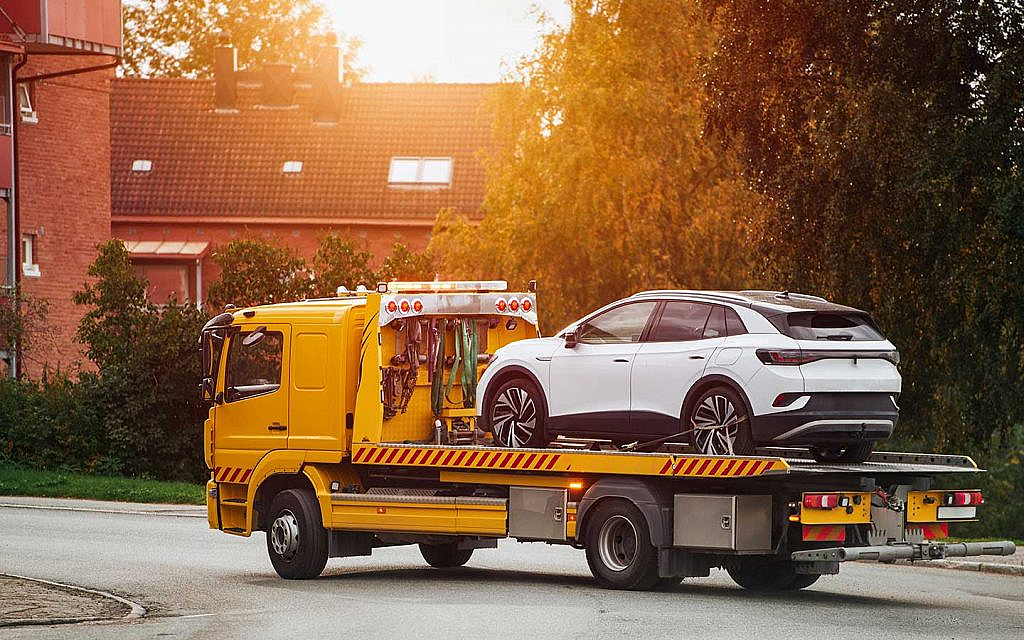
Vehicle impoundment occurs when authorities temporarily seize it for serious traffic violations and transfer it to a designated impound lot or storage facility.
In the UAE, vehicle impoundment is governed under the UAE Federal Traffic Law (Federal Law No. 21 of 1995 and amendments) and emirate-level traffic regulations issued by authorities such as Dubai Police and Abu Dhabi Police.
This is a standard legal enforcement measure to improve road safety and compliance with traffic laws.
Let’s discover what happens if your car is impounded, the reasons for it, how long the impoundment lasts and the process to get it released.
What Happens When a Car is Impounded in the UAE

When a vehicle is impounded, it is held at a designated impound yard under the supervision of the relevant traffic authority. The owner is issued fines, black points or other penalties depending on the violation. During the impound period, the vehicle cannot be used until all fines are cleared and the required release conditions are completed with the relevant traffic authority. Once all conditions are met, the owner can collect the vehicle from the designated impound facility.
What Causes Vehicle Impoundment in the UAE
Authorities impound vehicles in the UAE when serious violations posing risks to road safety or violate federal or emirate-level traffic laws occur. The vehicle impounding process is regulated under the UAE traffic law, which gives police and transport authorities the right to impound the vehicle depending on the severity of the offence.

Below are the most common traffic violations leading to impoundment in the UAE:
- Reckless driving
- Driving under the influence
- Violating the UAE speed limitations
- Driving without proper documentation
- Jumping a red light or committing violations at the intersection
- Illegal modifications to the vehicle
- Street racing
- Evading police
- Vehicles involved in serious accidents or incidents causing injury may result in vehicle impoundment for investigation purposes
All the causes mentioned above are among the Dubai traffic violations that result in impoundments. Similarly, the same offences may also lead to vehicle impoundment in Abu Dhabi.
How Long Does Vehicle Impoundment Last
The duration of impoundment depends on the violation, the emirate and the applicable regulations. Some offences may result in an impound period of a few days, while other, more serious violations may lead to longer periods and additional release requirements. It all depends on the severity of the offence.
How to Get an Impounded Car Back

To retrieve an impounded vehicle, drivers are usually required to:
- Clear all outstanding traffic fines. Check and pay traffic fines in Dubai if you committed a violation in the emirate. As for the capital city, you can make online traffic fine payments in Abu Dhabi.
- Complete the prescribed impound period
- Pay the applicable fees, such as the release fee, towing fee or administrative and processing charges, depending on your case.
- Obtain clearance from the relevant traffic or police authority
- Collect the vehicle from the designated impound facility
Note: The exact requirements may vary depending on the emirate and the nature of the violation. For example, the process of releasing a car impounded in Ajman will differ from the process of having an impounded car released in Sharjah, depending on local procedures.
Cost of Vehicle Impoundment in the UAE
Vehicle impoundment involves multiple types of costs such as traffic fines for the violation, one-time release or certification fees, daily storage fees while the vehicle is held and towing or transport charges. The total amount depends on the emirate, the offence, the vehicle type and how long the car remains in the impound yard. The table below provides and overview of the typical fees associated with vehicle impoundment.
| Emirate | Storage/ day fee (typically) | Release/ certification fee | Smart impound fees | Towing/transport (typically) |
| Dubai | AED 50/day after impound period ends (cap AED 3,000) | AED 100 release certificate at impound yard | AED 500 for first month; AED 100 for each additional month; AED 50 delay fine from 8th day after expiry | ~AED 400–500 for standard towing |
| Abu Dhabi | AED 15/day (home impound/reservation fee) | AED 100 release certificate at yard | Note commonly advertised; monthly smart impound charges apply | Light vehicle transfer AED 100, heavy AED 600 |
| Sharjah | AED 100/day while impounded; AED 50/day after period ends | AED 100 release certification | Not commonly advertised; standard impound applies | ~AED 400–600 depending on case |
| Ajman | AED 15/day (administrative/booking fees) | AED 300 vehicle release fee | Not commonly advertised | Light vehicle transfer AED 100, heavy AED 600 |
Key Points to Remember:
- Daily storage fee can add up quickly if the vehicle isn’t collected promptly, some emirates cap storage at AED 3000
- Release fee ranges from a few hundred dirhams to AED 10,000 to 50,000 for serious offences (evading police, racing, reckless driving)
- Towing and transport fee typically ranges from AED 100-600 depending on the type of vehicle and distance
- Always verify the exact fee via official channels including Dubai Police, Abu Dhabi Police/TAMMM, Ministry of Interior and respective emirate traffic departments
Can An Impounded Vehicle be Released Early?
Early release is not always permitted and depends on the regulations of the relevant emirate. In some cases, motorists may have to pay additional fees or comply with specific conditions before a vehicle can be released. The availability of such options depends on the traffic authority handling the case.
How to Avoid Vehicle Impoundment in the UAE

Drivers can reduce the risk of vehicle impoundment by:
- Following speed limits and traffic regulations
- Avoiding reckless or dangerous driving
- Never driving under the influence of alcohol or drugs
- Keeping vehicle registration and insurance valid
- Ensuring any vehicle modifications comply with local regulations
- Avoiding participation in illegal racing activities
Adhering to traffic laws not only helps avoid penalties but also contributes to safer roads.
FAQs
What happens when a vehicle is impounded in the UAE?
When a vehicle is impounded, authorities seize and store it in a designated impound yard. The owner cannot use the vehicle until the applicable fines are paid and the release requirements have been fulfilled.
How long is a car impounded in the UAE?
The impound duration depends on the violation and the emirate. It can range from a few days to several months, depending on the severity of the offence.
What happens if an impounded vehicle is not claimed?
Unclaimed vehicles may continue to incur storage-related charges and could eventually be auctioned or disposed of following applicable legal procedures and notice requirements.
Can You Check If Your Car Has Been Impounded Online?
Yes, you can check related vehicle status and traffic fines online. For example, in Dubai, motorists can use the Dubai Police website or app to view violations. Impound details may be confirmed through official police channels.
Those were the details about impounded cars, including what happens to them and how to retrieve them. For those looking to upgrade or switch vehicles, there is a wide variety of used cars for sale in the UAE.
Stay tuned to dubizzle’s auto blog for more on different legal processes pertaining to vehicles.
Related Posts