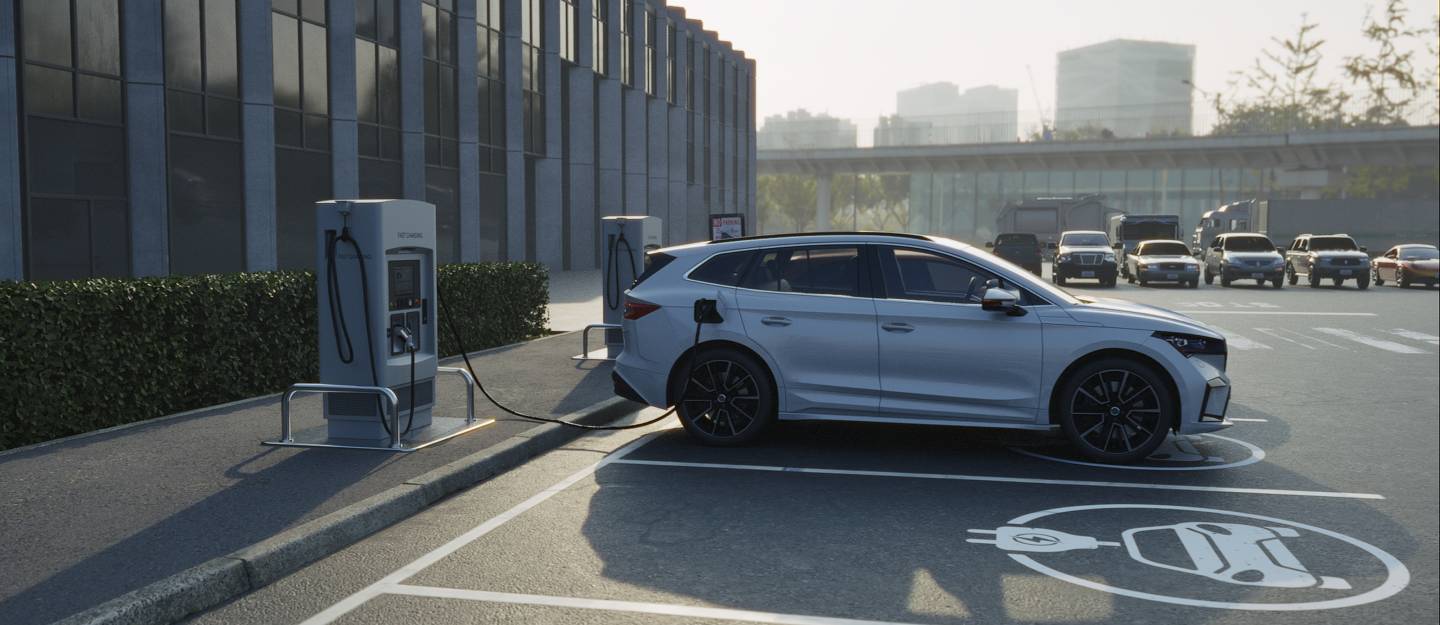
Electric vehicles are the talk of the town, continuing to dominate the automotive industry. From design to performance, these vehicles have matched their petrol counterparts – even surpassing the combustion engine vehicles in some cases. While many EV-related concerns have been addressed recently, myths surrounding charging still influence some buyers’ decisions. We will oversee some of the most common EV charging myths and uncover the truth behind them.
Common EV Charging Myths
The electric car evolution has witnessed these eco-friendly vehicles undergo significant changes over the years. Apart from design and performance, EV-related equipment, such as chargers, have also advanced. With these advancements, EV charging has become more efficient and rapid. Similarly, many other concerns have been laid to rest.
With many rumours going around regarding the charging capability, buyers may feel reluctant when finalising a deal. To help in this regard, listed below are some electric vehicle charging myths and the reality behind them.
Myth 1 – EV Charging Is More Expensive Than Petrol
EV charging is rumoured to be more expensive than petrol, but this is not true. This can be the case where electricity rates are higher. Governments like the UAE’s provide feasible charging rates. For instance, in Dubai, the rates start at 0.7 AED/kWh (+VAT) for AC charging and 1.2 AED/kWh (+VAT) for DC Charging. These rates vary with the level of charging.

There are ways to further decrease energy costs. For instance, peak shaving and load shifting are effective energy-saving techniques. Moreover, advanced and eco-conscious countries like the UAE utilise solar energy at charging stations to reduce the carbon footprint as a whole. Similarly, many homes also use solar panels for power generation. These further reduce the energy costs.
Myth 2 – Charging Takes Too Long
One of the common EV charging misconceptions is that charging takes too long. The pace of EV charging depends on several factors, including the type of charger and the charging levels. Out of the three levels of EV charging, level 3 is the fastest. Those seeking quicker charging can always opt for a fast charger.
Myth 3 – Installing Home Chargers Is Complicated
Home EV charging is a convenient way to juice up a vehicle. Additionally, setting up a charging station at home is not a complicated process. Generally, a home EV charger can be easily set up in a 240-volt circuit. Those unfamiliar with the process can hire an electrician for the setup.
Myth 4 – The Power Grid Can’t Handle EVs
One of the common EV charging myths is about the capability of the grid. Modern grid management techniques, such as off-peak charging and vehicle-to-grid (V2G) technologies, can mitigate these issues. In fact, EVs can stabilise grids by acting as energy storage systems during peak hours. Consequently, EV charging at home or stations doesn’t pose a threat to the power grid.
Myth 5 – There is A Lack of EV Charging Stations
While this may have been true for the early EV days, it is far from reality nowadays. Electric cars are a modern-day phenomenon that has propelled manufacturers and governments to adapt to these modes of transportation. Modern countries like the UAE have a vast EV charging network catering to the growing demand. EV owners can find a plethora of stations spread throughout the emirate.
Myth 6 – EV Charging and EV Range are Directly Related
Among the common misunderstandings about EV charging is one about the relation of charging and range. Although EV charging times vary with the types of chargers, the range generally remains the same.
However, there are practical ways to increase EV range as a whole. For instance, driving habits such as smooth acceleration, maintaining moderate speeds and minimising rapid braking can significantly improve efficiency.
FAQs
Is Charging An EV More Expensive Than Fueling A Petrol Car?
No, charging an EV generally costs less per mile than petrol, saving money in the long run.
Does Charging An EV Take Too Long Compared To Refueling?
Charging times vary but fast chargers can provide an 80% charge in under an hour, making them a convenient option.
Does Fast Charging Damage An EV Battery?
Fast charging may slightly accelerate battery depreciation compared to slower methods. However, the impact is minimal with modern thermal management systems.
There you have it, all electric car charging myths debunked. These eco-friendly vehicles have ticked all boxes and continue to reign supreme in the automotive sector. The UAE, in particular, stands at the forefront of adopting sustainable mobility solutions. Besides the DEWA stations, there are numerous Tesla destination chargers in the UAE, providing great ease to EV owners.
Here are some EV charging FAQs that answer all questions related to electric car charging. Check out these EV myths to learn the realities behind some other misconceptions about electric vehicles. Moreover, browse through these used electric cars for sale in the UAE to get a hold of an eco-friendly EV.
Stay connected with dubizzle’s auto blog to debunk EV charging myths and other misconceptions about different types of vehicles.
Related Posts