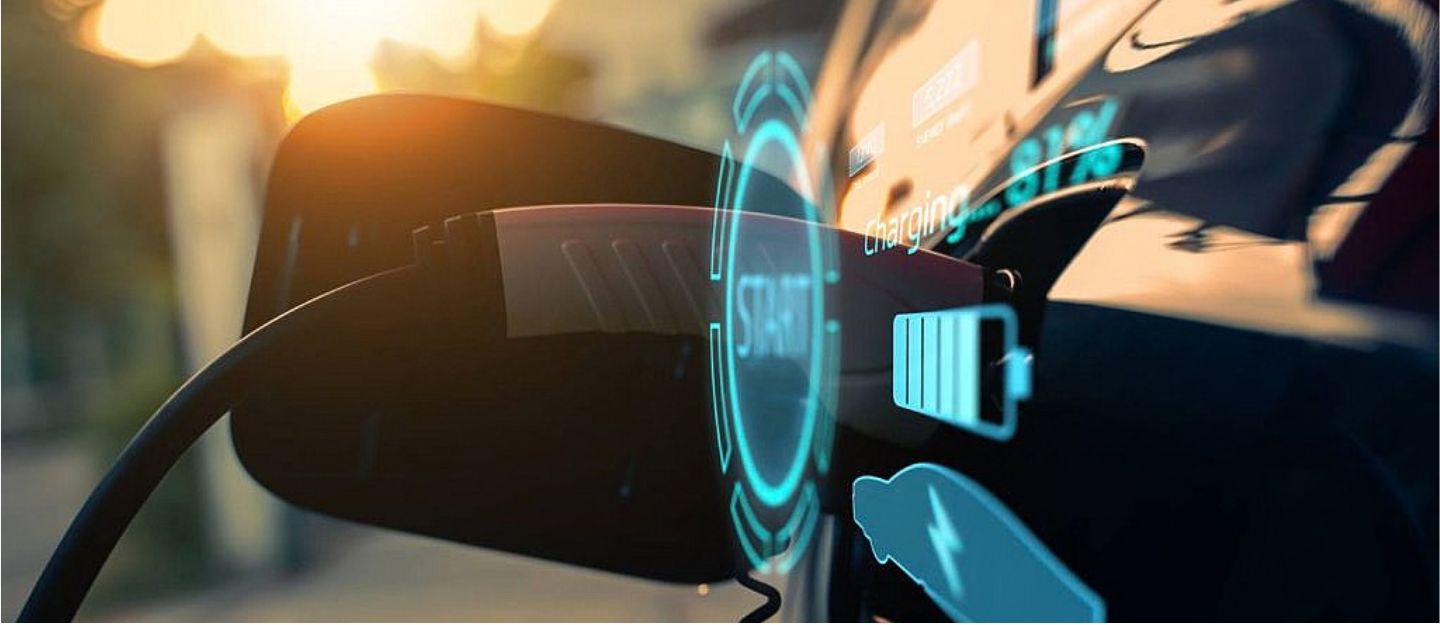
With the rapid popularity of Electric Vehicles (EVs), the demand for an efficient charging infrastructure is also increasing. Apart from public stations, users are now facilitated to set up home charging stations. One concerning issue that may arise in these charging stations is the overloading of electricity. When charging more than one vehicle, proper load management is necessary. This is when the EV charging load balancing comes into the picture. The load balancing allows the equal distribution of electricity among the chargers avoiding any imbalance.
Let’s take a closer look at EV charging load balancing and elaborate on its importance.
What is EV Charging Load Balancing
Load balancing is used to distribute electricity equally among all the engaged chargers. On a macro level, load balancing creates an equilibrium between electricity consumption, bill and EV charging capacity. Furthermore, the load balancing not only benefits the user but also reduces stress on the grid station.
How It Works
The EV charging load balancing enables chargers to deliver the required amount of energy, managing the electricity flow across all the charging ports. Load balancing uses software that syncs with vehicles, electricity infrastructure and charge points. The software intelligently manages load as per the current need, saving energy.

Consider an example of a charging station with a maximum capacity of 30 kW with 5 charging ports. 4 cars are charging at a time-consuming 7.4 kW each, there will be no electricity for the 5th car. If the charging station is equipped with load balancing, it will distribute 6 kW to each vehicle when the 5th one joins.
Importance of EV Load Balancing
The following are the factors that signify the usage of load balancing in EV charging infrastructure.
Grid Stability
A surge in EV charging can cause significant stress on the grid, leading to multiple grid-related issues. Using load balancing aids in reducing stress on the grid by distributing load evenly.
Efficient Energy Usage
Load balancing manages the available energy efficiently, reducing any potential chance of wastage. This can significantly affect your overall electricity bill.
Improved Experience
The usage of load balancing exempts any potential issues and shortfalls leading to a better user experience. That said, the surge in EV usage signifies the importance of load balancing even more.
FAQs
Can I charge the EV at home?
Yes, you can charge your EV at home. Here is the complete guide to charging your EV at home.
Does load balancing affect the EV range?
No, the EV range is not affected by charging load balancing.
What happens if the load is unbalanced?
An unbalanced load can lead to power loss and other grid-related issues.
This was all about EV charging load balancing. Since its inception, EVs have come a long way in terms of performance and efficiency. Alongside vehicles, the charging infrastructure in the Emirates has also been improved significantly, facilitating the EV owners. If you are also interested in availing these benefits, browse through these new cars for sale in the UAE and buy your very own vehicle.
Besides, if your electric car is not charging, here are some reasons your electric car isn’t charging.
Stay tuned to dubizzle’s auto blog for more information on electric cars.
Related Posts