Electric vehicles have emerged as the ideal substitutes for petrol cars. These vehicles have made rounds as a sustainable source of mobility. However, the questions around sustainability extend beyond tailpipe emissions. EV battery disposal, for instance, has long been a lingering question. The recycling of EV batteries is not just an environmental necessity; it’s essential for reducing dependency on mining, lowering carbon footprints and ensuring a circular economy.
EV Battery Disposal
From lead-acid to lithium-ion, the car battery evolution is a tale of innovation. Batteries have not only improved in functionality but also vary significantly in size. For example, EV batteries are much larger than those used in petrol cars. While petrol car batteries can be fully recycled, EV batteries are somewhat more complex. Similarly, EV battery standy loss also differs from that of petrol cars.
Why Recycling EV Batteries Matters
EV battery waste management and recycling matters for a number of reasons:
Environmental Impact
EV batteries contain metals like lithium, cobalt and nickel. These require energy-intensive mining. Recycling helps reduce the environmental burden and cuts down lifecycle emissions.
Ethical Sourcing
Many EV batteries use cobalt, much of which is mined under hazardous conditions. Recycling reduces reliance on these sources.

Resource Scarcity
As the adoption of eco-friendly cars increases, demand for rare metals surges. Recycling ensures the recovery and reuse of valuable materials rather than constantly extracting new ones.
Common Electric Vehicle Battery Disposal Methods
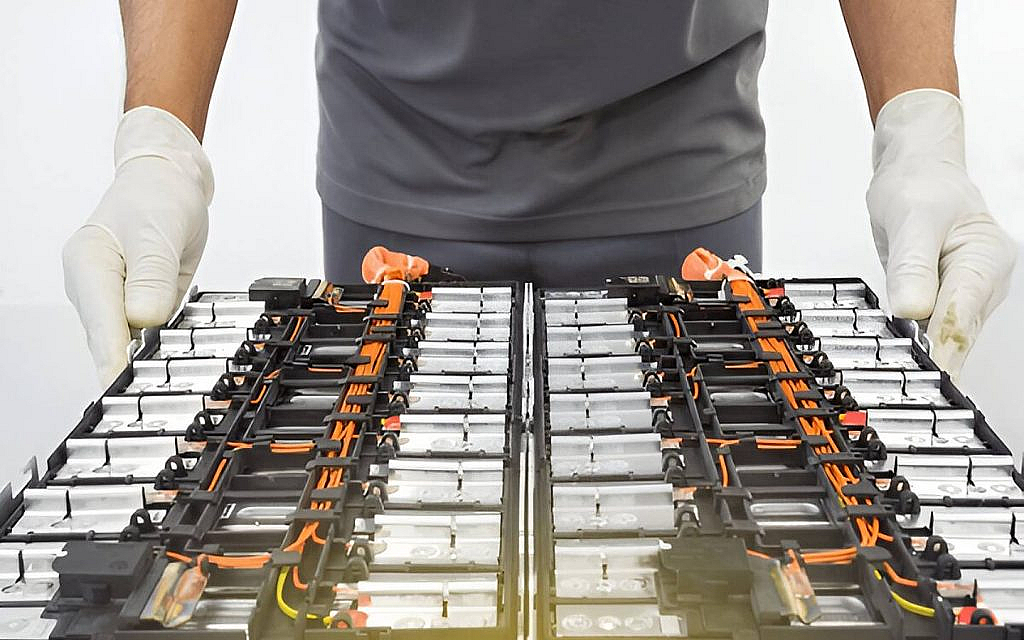
Some of the common EV battery recycling methods include:
Pyrometallurgy (Smelting)
This method involves melting battery components at high temperatures to extract metals. It’s widely used but is energy-intensive. Additionally, it often leads to the loss of lighter elements like lithium.
Hydrometallurgy (Chemical Leaching)
Chemicals are used to dissolve battery components, allowing metals to be selectively recovered. This method offers higher recovery rates. However, it requires careful waste management of used chemicals.
Mechanical Recycling
It involves physical dismantling and shredding of battery packs to extract materials like aluminium, copper and steel. This EV battery disposal method is lower-cost but may not recover all valuable elements.
Direct Recycling
A cutting-edge process that aims to preserve and refurbish cathode materials directly. This method is energy-efficient but still in the early stages of commercial adoption.
Innovative Technologies in Battery Recycling
Many new technologies have emerged for lithium-ion battery disposal. These apply to the different types of EV batteries and include the following technologies:
- Electrochemical recovery: Advanced electrochemical methods recover metals with lower emissions and chemical usage.
- Supercritical fluid extraction: Uses substances like carbon dioxide at high pressure and temperature to recover battery materials cleanly.
- Robotics and AI: Automation can streamline battery disassembly, improving safety and cutting labour costs significantly.
- Second-Life Applications: Before recycling, EV batteries with remaining capacity can be reused in stationary storage systems, extending their usefulness.
Challenges in EV Battery Recycling
From conventional to advanced ternary lithium batteries, the recycling of these components has some challenges.
- High costs: Recycling is still more expensive than mining in many cases. For instance, recycled lithium can be costlier than newly mined lithium.
- Design complexity: Different battery shapes, chemistries and formats make standard recycling difficult.
- Lack of infrastructure: Many countries lack the necessary facilities to recycle batteries at scale.
- Weak regulations: In many regions, there’s no mandatory battery take-back policy, leading to improper disposal.
FAQs
What Are The Environmental Risks Of Improper EV Battery Disposal?
Improper EV battery disposal environmental impact is soil and water contamination, the release of toxic chemicals and increased greenhouse gas emissions.
What Are Second-Life Applications For EV Batteries?
Second-life applications for EV batteries involve repurposing used batteries for energy storage in homes, businesses or the power grid. This happens after batteries no longer meet vehicle performance standards.
What Are The Main Methods Of Recycling EV Batteries?
The common methods of recycling EV batteries are pyrometallurgy, hydrometallurgy and direct recycling.
There you have it, everything to know about EV battery disposal. Like every component, EV batteries have a running life. However, some common EV battery problems can cause premature deterioration. However, there are ways to increase EV battery life and get the best out of the component. Be sure to dispose of EV battery hazardous waste.
Developed countries like the UAE stand at the forefront in ensuring environmental sustainability in all sectors. The UAE’s first EV battery recycling plant is proof of the country’s commitment towards sustainability.
All in all, EVs remain an eco-friendly mode of mobility. Browse through these electric cars for sale in the UAE to purchase an eco-friendly vehicle.
Stay tuned to dubizzle’s auto blog to learn about EV battery second-life solutions and more.
Related Posts