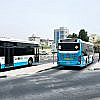
Transport remains one of the largest contributors to carbon emissions, placing considerable strain on the environment. To address this, the UAE has prioritised eco-friendly public transportation systems. Increased use of public transport not only lowers carbon emissions but also supports the development of more sustainable and efficient cities.
Benefits of Using Public Transportation for the Environment
The environmental benefits of public transport are as follows.
Supporting the UAE’s National Vision
The UAE has set clear national targets to reduce carbon emissions and promote sustainability. To support this, several strategies are in place, including the UAE Net Zero 2050 initiative, which aims to achieve net-zero greenhouse gas emissions. Individual emirates are also rolling out their own programmes to cut environmental impact, such as Abu Dhabi’s Green Bus Programme. Overall, expanding public transport directly supports these long-term national and local sustainability objectives.


Reducing Emissions Per Person
The foremost environmental benefit of public transport in the UAE is the reduction of carbon emissions. Mass transit systems require significantly less energy to move large numbers of people compared to the cumulative fuel consumption of private cars. For example, if 100 people each travel 10 km in separate vehicles, total emissions could reach approximately 1,200 – 1,700 kg of CO₂, whereas a single bus carrying all 100 passengers may emit only around 20 – 30 kg of CO₂ for the same distance.
Easing Traffic Congestion and Idling
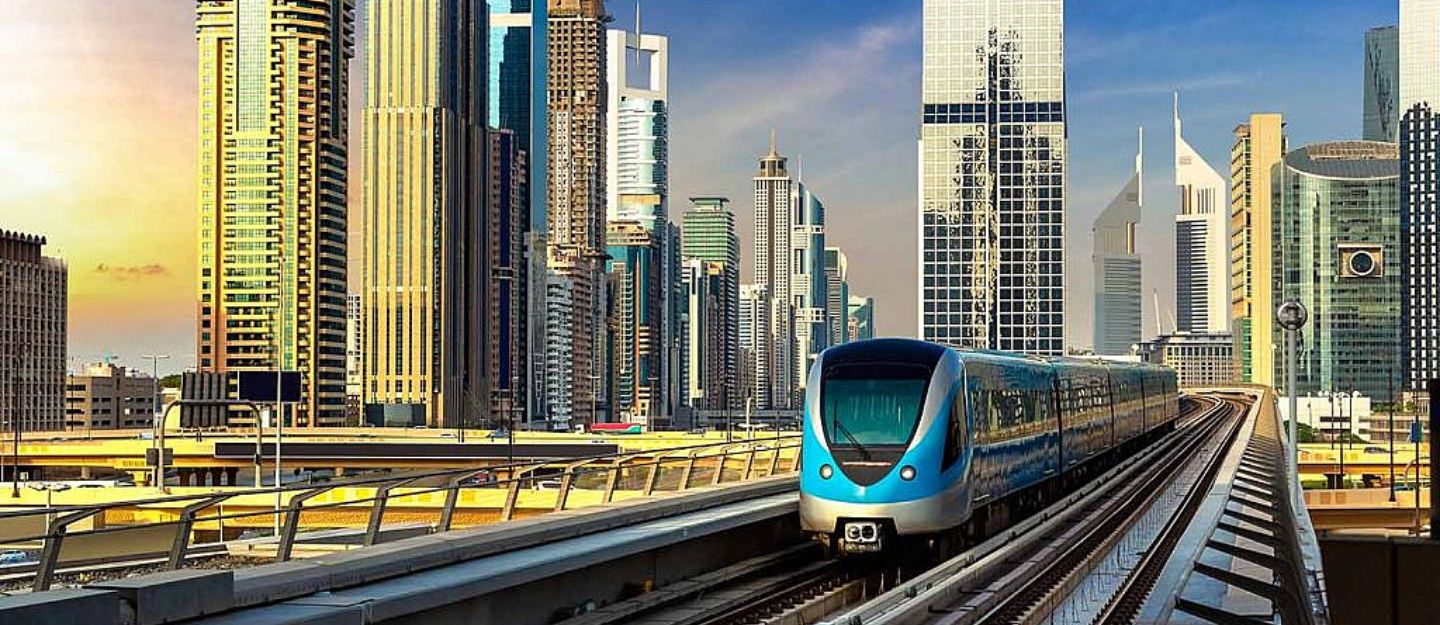
Using public transport helps ease congestion by reducing the number of cars on the road. Beyond improving traffic flow on key UAE roads, options such as the Dubai Metro operate on dedicated tracks, which limits interference from road traffic and further reduces delays and idling.

Improving Air Quality
Usage of public transport helps reduce these emissions, contributing to improved air quality. Beyond environmental benefits, this shift also supports broader sustainability objectives by lowering the overall impact of urban transport systems.
FAQs
How does public transport help the environment?
Public transport reduces the number of cars on the road, lowering overall fuel consumption and carbon emissions. By moving large numbers of people efficiently, it decreases per-capita emissions and supports more sustainable urban mobility.
Why is public transportation more eco-friendly than private cars?
Mass transit systems use significantly less energy per passenger compared to individual cars. A single bus or train can replace dozens of private vehicles, reducing emissions, congestion and overall environmental impact.
In what ways does public transit improve air quality?
Public transport improves air quality by cutting down carbon emissions and replacing smaller cars. Aside from reducing carbon emissions, the lesser number of cars also helps in removing multiple air-borne pollutants.
These are some of the environmental benefits of public transport usage. Widespread adoption of mass transit helps in reducing carbon emissions, contributing towards the UAE’s net-zero goal. Besides public transport, a number of new and used electric cars for sale in the UAE come with zero tailpipe emissions, helping in achieving carbon neutrality.
Stay tuned to dubizzle’s auto blog to learn how to lower carbon emissions per passenger.
Related Posts