- Differences Between Engine Oil and Coolant
- Why Engine Oil Cannot Be Used As Coolant
- Risks of Using Engine Oil As Coolant
- FAQs
Maintaining your vehicle’s health ensures a smooth and reliable driving experience. One of the key aspects of vehicle maintenance is understanding the roles and functionalities of various fluids used in your car. That is where engine oil and coolant come into action, two vital fluids serving distinct functions. Let’s discuss the specifics of engine oil and coolant, their differences and the consequences of using engine oil as a coolant.
Understanding the Differences Between Engine Oil and Coolant

Let’s begin our discussion by understanding what both liquids are and the functions they perform.
What is Engine Oil?
Engine oil, also motor oil, is a lubricant used in internal combustion engines. The primary function of engine oil is to lubricate the moving parts within the engine to reduce friction and wear. Moreover, engine oil also plays a critical role in cleaning, cooling and protecting the engine. It comprises base oils and various additives designed to enhance its performance.
What is Coolant?
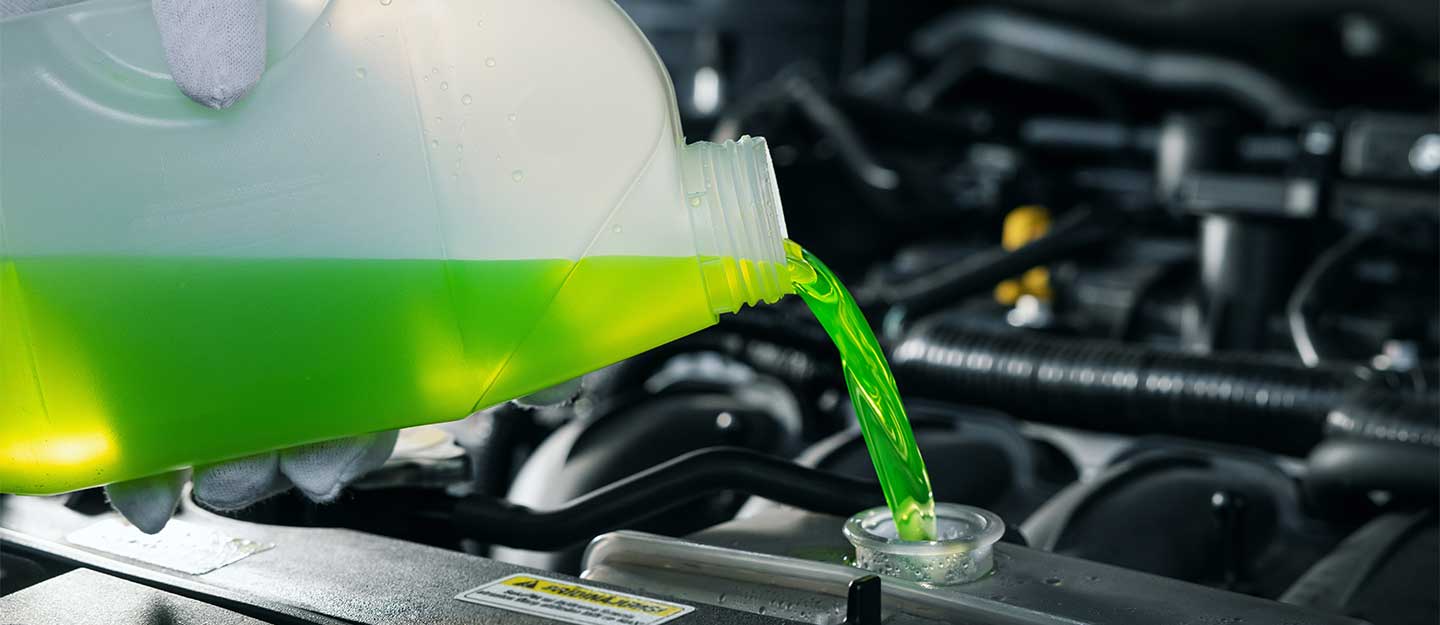
Coolant, also known as antifreeze liquid, is an essential car fluid used in an engine’s cooling system. Its primary role is to regulate the engine’s temperature, preventing it from overheating and freezing.
A coolant is typically a mixture of water, ethylene glycol, propylene glycol, and other additives. This helps prevent corrosion and improve thermal efficiency.
The different functions of a car coolant are:
- Temperature Regulation
- Freezing Point Depression
- Corrosion Protection
- Boiling Point Elevation
Why Engine Oil Cannot Be Used as Coolant

Now that you understand their roles, let’s explore why using engine oil instead of coolant can be disastrous. Here’s a breakdown of the key differences:

Chemical Properties
Coolant contains anti-freeze and anti-corrosion additives crucial for winter protection and system longevity. Whereas, engine oil lacks these properties, potentially leading to freezing and corrosion issues.
Compatibility
Engine oil is not designed to mix with the various components within the cooling system, including hoses, gaskets and the water pump. Over time, oil can deteriorate these components, leading to leaks and malfunctions.
Primary Functions
The primary function of engine oil is to lubricate moving parts, reduce friction and provide some cooling. It also cleans, seals and protects car engine components. Conversely, a car coolant regulates engine temperature, prevents overheating and freezing and protects the cooling system from corrosion and boiling over.
Thermal Conductivity
Water, a major component of coolant, excels at transferring heat. Engine oil, on the other hand, has a lower thermal conductivity, meaning it is less efficient at absorbing heat and moving it away from the engine. This can lead to overheating if you use oil as a coolant.
Whereas, a coolant is specifically designed for high thermal conductivity to effectively transfer heat from the engine to the radiator and dissipate it.
Viscosity
Unlike the free-flowing nature of coolant, the viscosity of engine oil is thicker. This thicker consistency can disrupt the coolant flow through the radiator and heater core, again leading to overheating.
On the other hand, a car coolant is much thinner and maintains consistent viscosity to flow easily through the cooling system and absorb heat effectively.
Consequences of Using Engine Oil as Coolant
If you ever find yourself driving on low coolant, you might desperately need a substitute, such as engine oil, in the meantime. However, based on the above key differences in both liquids, you must not go for such an alternative. Let’s discuss the consequences of using both liquids interchangeably.
Overheating

One of the most immediate risks of using oil as a coolant is engine overheating. The oil would fail to effectively transfer heat away from the engine, causing temperatures to rise rapidly. Furthermore, overheating can cause blown head gaskets, engine damage and in worst cases, engine seizure.
Cooling System Blockages
One of the reasons why we don’t use oil as a coolant is because of its higher viscosity. Engine oil could cause blockages in the radiator and coolant passages. These blockages would block the flow of fluid, further reducing the cooling system’s efficiency and exacerbating overheating issues.
Corrosion and Rust
Without the corrosion inhibitors found in coolant, using engine oil would expose the cooling system to rust and corrosion. This could damage the radiator, water pump and other components, eventually leading to leaks and system failure which are the common signs of engine damage from using oil as coolant. It is also one of the common reasons why oil and coolant mix up and lead to potential damage. Over time, the buildup of rust and corrosion could cause irreversible damage requiring costly engine repairs or replacements.
Reduced Lubrication
If engine oil is used as a coolant, it would not be available for its intended purpose of lubricating engine components. This would result in increased friction and wear within the engine, leading to premature failure of critical parts such as bearings, camshafts and pistons.
Overall Engine Failure
Continued use of engine oil as coolant would ultimately lead to catastrophic engine failure. The common signs of engine failure include black smoke from exhaust, overheating, active check engine light and others. The combined effects of overheating, corrosion, blockages and lack of proper lubrication would cause severe damage that could render the engine inoperable. In many cases, this would necessitate a complete engine rebuild or replacement.
FAQs
Are engine oil and coolant the same?
No, engine oil and coolant are not the same. Engine oil is a lubricant that reduces friction and wear in the engine, while coolant regulates engine temperature, preventing overheating and freezing. They have different compositions and purposes, making them non-interchangeable.
What can I use instead of engine coolant?
In an emergency, you can use distilled water temporarily instead of coolant. However, water lacks the boiling and freezing point protection and anti-corrosion properties of coolant. That is why, replace it with the correct coolant as soon as possible to avoid engine damage.
What should I do if I accidentally use engine oil instead of coolant?
If engine oil is accidentally used, do not start the engine. Immediately drain the engine cooling system, flush it thoroughly to remove oil residue and refill it with the appropriate coolant. Once the fluid is flushed properly, inspect for any potential damage and address any issues promptly.
Can a mixture of coolant and engine oil harm my vehicle?
Yes, a mixture of coolant and engine oil can be highly detrimental. The resulting sludge can clog cooling passages, reduce heat transfer efficiency and degrade rubber hoses and gaskets, leading to leaks and further contamination. If this happens, promptly resolve any leaks and clean the affected systems.
How can I detect engine oil contamination in the coolant?
The common signs of engine oil contamination in coolant include a milky or frothy appearance, engine overheating, sludge in the radiator and decreased coolant levels. If you notice these signs, have your vehicle inspected and repaired by a professional immediately.
Now that you understand why using engine oil instead of coolant can be dangerous for your vehicle, it’s best to resist the temptation, even with severely low coolant. Instead, use distilled water temporarily until you can get the proper coolant. Similarly, if you find yourself with low engine oil, it is better not to mix different engine oils to achieve a satisfactory level.
Besides, if your car engine has undergone irreparable damage, it is better to switch to another car. Browse these used cars for sale in the UAE and find a vehicle with a much better engine.
For more on car parts and repair tips, stay tuned to the dubizzle auto blog.
Related Posts


