Your vehicle’s emission system is vital for both environmental protection and optimal engine performance. When this system develops issues, it can lead to increased pollution, reduced fuel efficiency and even potential engine damage. Emission problems can arise from various components within the system, each playing a key role in controlling harmful exhaust gases. Understanding the emission system problems —and knowing how to fix them—can help you keep your vehicle running efficiently.
Let’s take a closer look at common causes of emission system problems and how to address them effectively.
Common Causes of Emission System Problems
A vehicle’s emission system is designed to reduce the amount of harmful gases released into the atmosphere. These gases include:
- Carbon monoxide (CO)
- Hydrocarbons (HC)
- Nitrogen oxides (NOx)
- Carbon dioxide (CO₂)
But when something goes wrong with this complex system, it can trigger dashboard warning lights, reduce performance and even cause your car to fail an emissions test. Let’s break down some of the common causes of emission system problems and the best ways to fix them.
Faulty Oxygen Sensors
Oxygen sensors monitor the oxygen levels in the exhaust gases, helping the engine control unit (ECU) or car computer to adjust the air-fuel mixture for optimal combustion.

- Symptoms: Poor fuel economy, increased emissions and the illumination of the check engine light.
- Fix: Replace the faulty oxygen sensor to restore optimal air-fuel ratio monitoring.
Bad Catalytic Converter
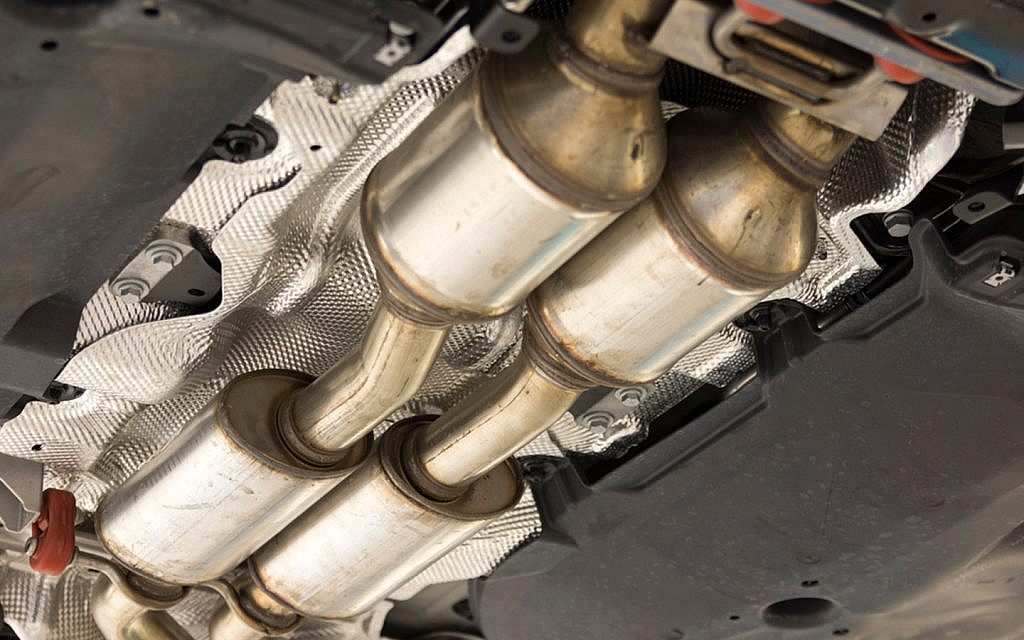
A catalytic converter converts harmful gases like carbon monoxide and nitrogen oxides into less harmful substances. A clogged or failing catalytic converter affects both performance and emissions.
- Symptoms: Reduced engine performance, a rotten egg smell (sulfur odor) and the check engine light.
- Fix: Repair or replace the catalytic converter and address underlying engine issues.
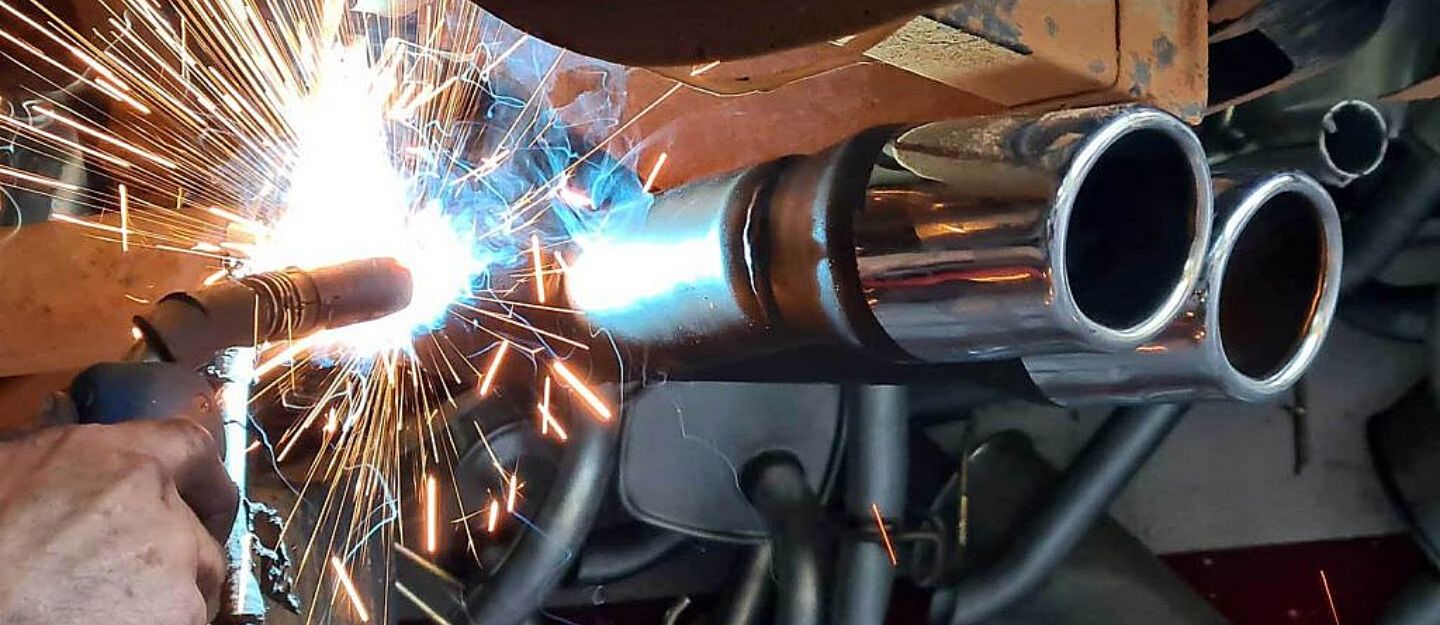
Exhaust System Leaks
The system directs exhaust gases through the catalytic converter before release.
- Symptoms: Exhaust leak symptoms include unfiltered gases escaping, increased emissions and noise.
- Fix: Inspect and repair any leaks in the exhaust system.
EGR Valve Issues
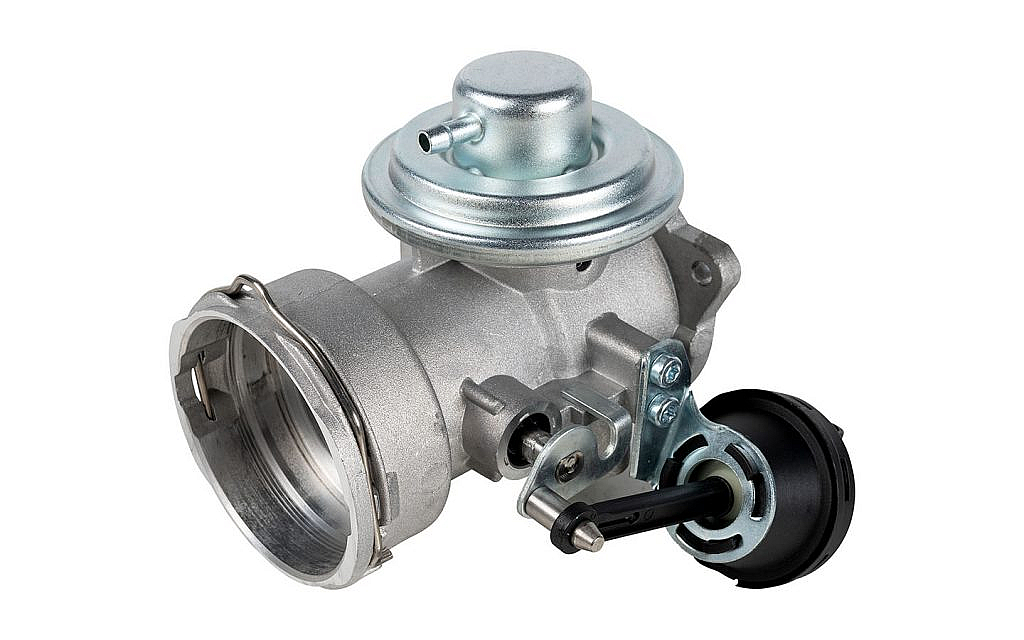
EGR valves recirculate exhaust gases to reduce NOx emissions. If it’s stuck open or closed, it can cause rough idling or hesitation.
- Symptoms: Rough idling, stalling and increased NOx emissions.
- Fix: Clean or replace the EGR valve to restore proper exhaust gas flow.
EVAP System Leaks
The EVAP system prevents fuel vapors from escaping into the atmosphere. Cracks or leaks in hoses, canisters or valves can cause emission faults.
- Symptoms: Fuel smell, check engine light and failed emissions tests.
- Fix: Diagnose leaks using a smoke test and repair or replace defective components.
Mass Airflow Sensor (MAF) Issues
Measures how much air enters the engine to regulate the fuel mix. A failure of a mass air flow sensor can lead to incorrect fuel-air mixture and high emissions.
- Symptoms: Poor acceleration, engine hesitation and the check engine light.
- Fix: Clean or replace the MAF sensor for accurate air intake measurements.
Loose or Damaged Fuel Cap
It is one of the simplest yet most overlooked causes of car emission system issues. A bad fuel cap can allow fuel vapors to escape, triggering the check engine light.
- Symptoms: Check engine light, fuel smell near the gas tank, decreased fuel economy.
- Fix: Tighten the gas cap until it clicks or replace it if the seal is cracked or worn out.
How to Diagnose Emission System Problems
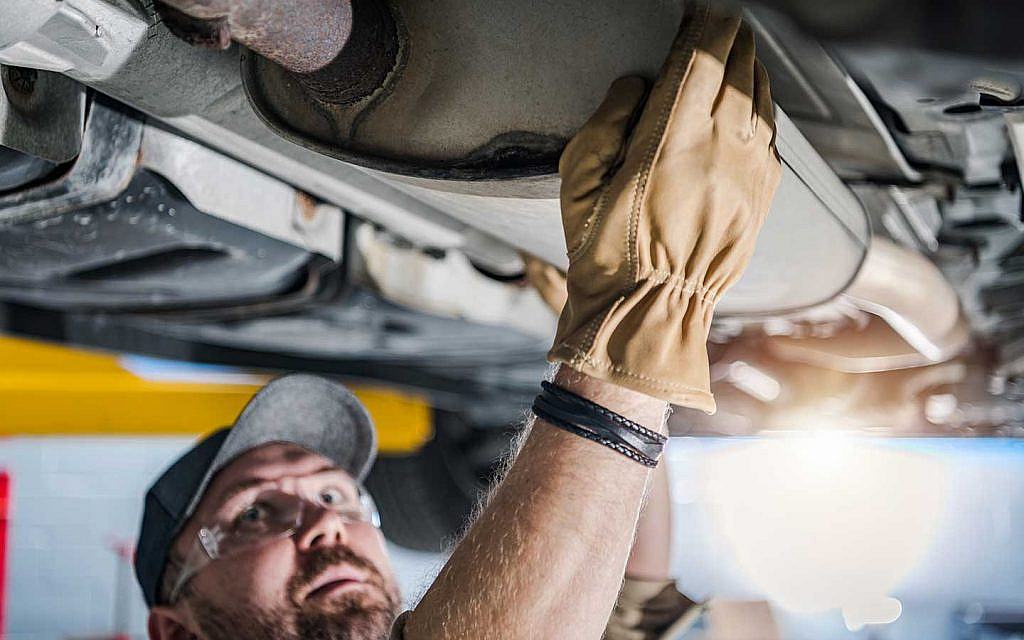
- Check Engine Light: Often indicates an issue with the emission system.
- Diagnostic Tools: Use an OBD scanner to retrieve diagnostic trouble codes (DTCs) that pinpoint specific problems.
- Visual Inspection: Look for signs of damage or wear on components like oxygen sensors, catalytic converters and exhaust systems.
- Test Specific Components: Use multimeters or smoke machines to test for vacuum leaks or sensor issues. Check oxygen sensors, MAF sensor and catalytic converter health using the scanner and performance symptoms.
Fixes for Emission System Problems
These are some of the most effective solutions to address common emission system issues:
- Replace Faulty Components: Swap out malfunctioning parts—such as sensors, valves or the catalytic converter—with OEM (Original Equipment Manufacturer) components to ensure proper fit and long-term reliability.
- System Cleaning: Clean critical emission control parts like the EGR valve, oxygen sensors and catalytic converter to restore performance and reduce harmful emissions.
- Software Updates: Keep your vehicle’s Engine Control Unit software updated. Manufacturers often release updates that enhance emission control efficiency and overall engine performance.
- Comprehensive Inspections: Schedule regular diagnostic checks to catch early signs of wear or failure. A thorough inspection can prevent small issues from becoming major—and costly—repairs.
Preventive Maintenance Tips
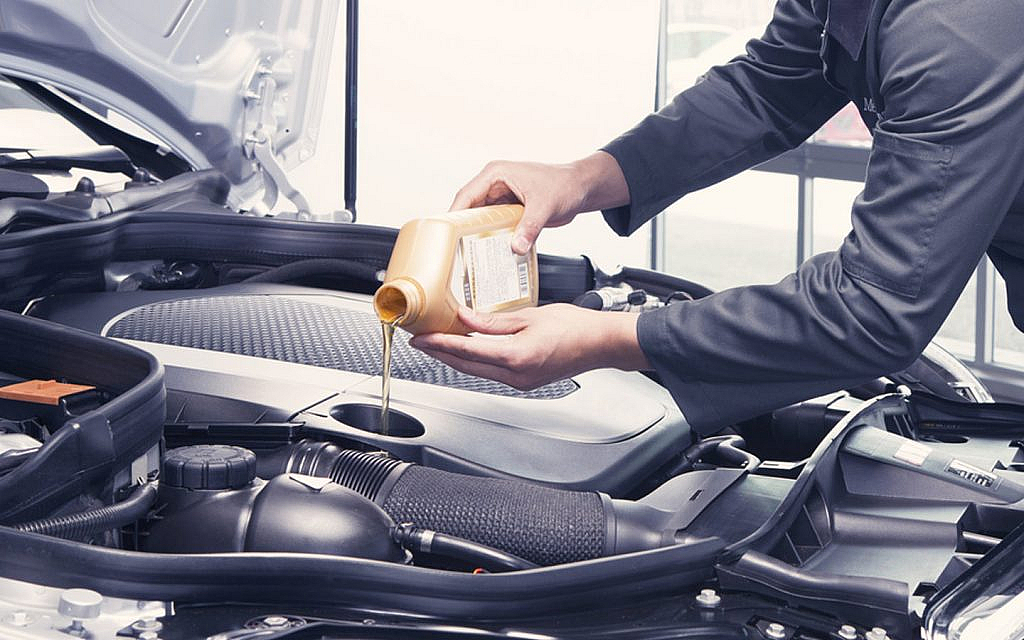
Keeping your emission system in good shape starts with smart, consistent maintenance. Here are some key preventive measures to help you avoid costly repairs:
- Regular Oil Changes: Clean oil helps prevent harmful contaminants from reaching and damaging vital emission control components.
- Use High-Quality Fuel: Premium fuel burns cleaner, reducing carbon buildup in the engine, fuel injectors and catalytic converter.
- Monitor the Check Engine Light: Don’t ignore it—addressing issues early can prevent minor problems from escalating into expensive repairs.
- Scheduled Maintenance: Stick to your vehicle manufacturer’s car maintenance schedule, including regular inspections and tune-ups, to keep the entire system running efficiently.
FAQs
How do I know if my car has an emission system issue?
Watch for a check engine light, failed emissions test or unusual smells from the car exhaust system—these are key warning signs.
What are the common symptoms of emission system problems?
Symptoms include reduced fuel efficiency, rough idling, engine misfires, a noticeable exhaust odor and dashboard warning lights.
Can an emission system issue affect engine performance?
Yes. It can lead to sluggish acceleration, poor fuel economy and even long-term engine damage if left unchecked.
What is the role of the catalytic converter in the emission system?
It reduces pollution by converting harmful gases—like carbon monoxide and nitrogen oxides—into less toxic emissions before they’re released.
Emission system problems can be challenging; addressing them promptly is crucial for maintaining vehicle performance. By understanding the common causes and employing effective diagnostic and repair strategies, vehicle owners can resolve these issues efficiently. Apart from affecting your car’s performance and fuel efficiency, such problems can harm the environment.
That said, several used cars for sale in the UAE come equipped with advanced emission control systems, which play a crucial role in protecting the environment.
If you’d like to learn more about other automotive components, be sure to follow the dubizzle car’s blog for the latest updates.
Related Posts