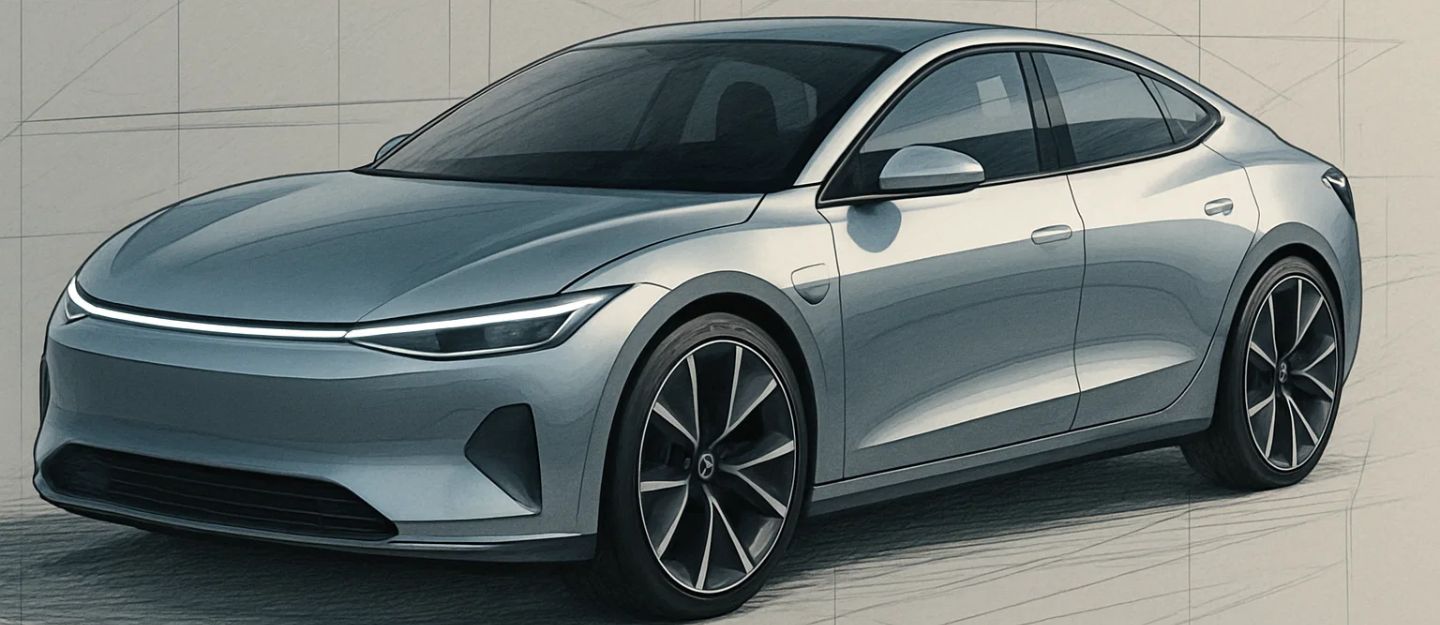
The world is steadily moving toward a more sustainable future, and the UAE is at the forefront of this transformation. In recent years, electric vehicles (EVs) have entered the mainstream automotive market, marking a significant shift in mobility dynamics. This transition is strongly supported by UAE authorities, who are also expanding the nation’s EV infrastructure. Among the many unique features of electric cars is their design. They are built to look different from traditional cars, not just for aesthetics, but also for functional reasons. Their structure directly influences factors such as aerodynamics, weight and battery range. Let’s learn more about the distinctive features of electric car designs.
Some Distinctive Features of Electric Car Designs
From headlights to rear ends, electric cars feature unique design elements throughout. Their mechanism is different from regular cars. EVs performing more efficiently stand out in a constantly growing and competitive market. Carmakers from almost every other region of the world are rolling out their electric car line-ups. As a part of this evolution, many electric vehicle design trends are emerging and gaining popularity. Here’s more on their aesthetic and functional purposes.
Use of Lightweight Materials
The reduction of the overall weight is a key aspect of optimising electric car design. The different types of car weights can directly affect performance and energy efficiency. Automakers increasingly use lightweight materials such as aluminium and carbon fibre to build lightweight EVs without compromising structural strength.
Aluminium provides a more durable yet lighter alternative to steel, improving efficiency and range. Carbon fibre, even lighter and stronger than aluminium, is used in components like chassis and body panels. All these advanced structural characteristics offer a high strength-to-weight ratio. The perfectly balanced ratio enhances overall electric car features and functionality, including EV range and performance.

Next-Gen Aesthetics
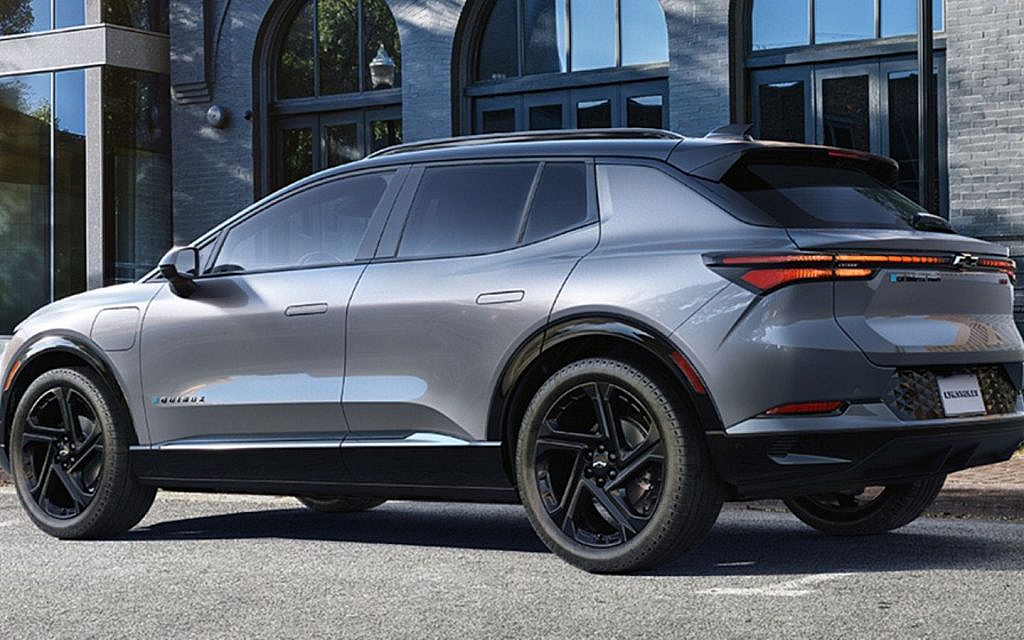
Innovative electric car designs are not limited to performance and efficiency. Instead, automakers are pushing the limits of conventional automotive aesthetics to create futuristic vehicle designs for a noteworthy on-road presence. The contemporary exteriors of electric cars often feature clean and seamless contours. Such characteristics result in smooth profiles for a blend of elegance and simplicity.
Some distinctive electric design features that have become increasingly popular include many structural aspects. The types of car door handles used in EVs are usually hidden, blending seamlessly with the vehicle’s body. There are also flush-mounted windows that complement the overall vehicle appearance. Moreover, the front headlights of EVs have a contemporary appearance, surrounded by DRLs. They are often shaped to give the vehicle an aggressive look. On the other hand, taillights are usually designed in the form of a bar that runs across the rear end, signifying that the vehicle is electric-powered.
Attention to Car Aerodynamics
Electric vehicle aerodynamics are enhanced through features such as streamlined front ends and sloped windscreens, which reduce air resistance. Lightweight wheels and smooth underbody panels further minimise turbulence and improve airflow efficiency.
Active car aerodynamic components like adjustable grille shutters and air curtains around headlights are used to optimise airflow. These elements also contribute to electric vehicle aesthetics by presenting a sleek yet functional design.
Advanced Electric Car Interior Technology

Electric car interiors are shifting towards digital ecosystems with high-resolution displays and touchscreens replacing physical controls. These interfaces support intuitive operation and reflect futuristic electric car features aimed at improving user experience.
Smart connectivity enables remote vehicle access, real-time data and over-the-air updates. Voice control and AI assistants further enhance the dynamics of sustainable car design. All this advanced car tech promotes a safer and driving experience.
FAQs
What are the key features of electric car designs?
Key features of electric car designs include next-gen aerodynamics, use of lightweight materials and on-point lighting design. All these aspects ensure streamlined aesthetics for enhanced performance and energy efficiency.
What design elements improve the aerodynamics of electric cars?
EV aerodynamic design elements like streamlined front ends, sloped windscreens, smooth underbody structures and active airflow components. All these features improve electric vehicle aerodynamics and efficiency. Powered by advanced aerodynamics, there are some of the fastest electric cars that go from 0 to 100 in the blink of an eye.
Do electric car designs impact their range?
Yes. Every element of optimising vehicle design is purposefully structured to increase range. Electric car designs focus on aerodynamics and weight reduction without compromising on durability. As a result, modern EV drivers face less electric car range anxiety when taking a longer trip.
This is everything to know about the distinctive features of electric car designs, their aesthetic and functional purposes. Those who want to switch to an EV can pick from various 2025 electric car models by different makes.
New and used EVs for sale in the UAE bring an array of options. Buyers can opt for an electrifying ride, suiting their preferences and budget.
For more trending updates from the country’s EV industry, keep reading UAE’s favourite car blog.
Related Posts