
Electric cars are widely recognised for their efficiency and environmental advantages. The increasing adoption of EVs has drawn more attention to how they perform under demanding conditions. Questions about electric cars overheating are especially common concerning battery health and rapid charging. Unlike traditional engines, electric drivetrains depend on delicate components that function within strict temperature ranges. Excess heat can affect both immediate performance and long-term reliability.
Electric Cars Overheating
Electric cars can overheat, but the reasons and risks differ significantly from internal combustion engine vehicles. Petrol car engines overheating can occur because of leaks or faults in major components. However, unlike ICE vehicles, electric EVs produce heat mainly from batteries, electric motors and power electronics. These components are designed with advanced thermal management systems to keep temperatures within safe limits.
Main Causes of Electric Vehicle Overheating
Although electric car overheating is not common, it can occur under certain situations.
Battery Overheating
The battery pack is the most temperature-sensitive component in an electric car. Heat can build up during rapid acceleration, high-speed driving for extended periods and fast charging, especially in hot weather. If temperatures exceed safe limits, the vehicle’s Battery Management System (BMS) automatically reduces power or charging speed to protect the battery.

Fast Charging in Hot Conditions
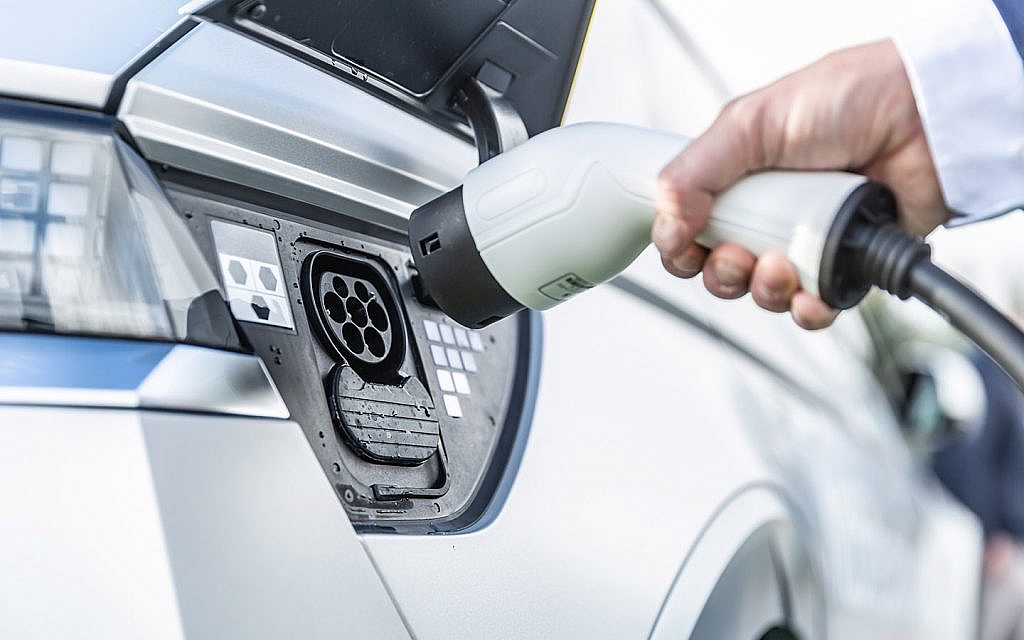
DC fast chargers generate significant heat due to high electrical currents. In warm climates, this can push battery temperatures higher than normal. Modern EVs respond by slowing the charge rate or activating cooling systems to prevent damage.
Extreme Weather
There are several effects of hot and cold weather on EVs. Very hot weather increases the baseline temperature of all vehicle components. While electric cars are tested for heat tolerance, prolonged exposure to high temperatures can stress cooling systems, particularly if the car is parked in direct sunlight for long periods.
Towing and Heavy Loads
EV battery overheating can also be caused by heavy loads and towing. Pulling heavy loads or driving uphill places additional strain on the motor and battery, increasing heat generation. Some electric vehicles are not optimised for frequent towing, making thermal management more challenging under these conditions.
Tips to Reduce Overheating in Electric Cars
Some useful tips can help reduce the risk of electric cars overheating.
- Avoid repeated fast charging in very hot weather
- Park in shaded or covered areas when possible
- Follow manufacturer recommendations for towing
- Keep vehicle software up to date
- Allow cooling periods during long, high-speed journeys
FAQs
Can electric cars overheat in hot weather?
Yes, electric cars can overheat in hot weather if their battery cooling system is overworked or fails.
What causes electric vehicles to overheat?
Electric vehicles overheat mainly due to battery strain, high ambient temperatures, pulling over the vehicle’s towing capacity or cooling system malfunctions.
How do electric cars manage heat?
Electric cars manage heat using battery cooling systems, typically liquid or air-based, to regulate temperature.
This is everything to know about electric cars overheating. Modern EVs are built with sophisticated cooling systems and intelligent software to manage heat effectively. Compared to traditional vehicles, electric cars often handle thermal stress more efficiently, making overheating more of a managed condition than a serious concern.
As electric vehicle technology continues to evolve, thermal management systems are becoming even more reliable, ensuring safe and consistent performance in a wide range of conditions. The latest tech and systems can be found in the majority of the EVs for sale in the UAE.
Some handy EV battery maintenance tips can be useful for the upkeep of the vehicles.
Stay tuned to dubizzle’s auto blog to learn about electric car overheating issues, maintenance tips and more.
Related Posts