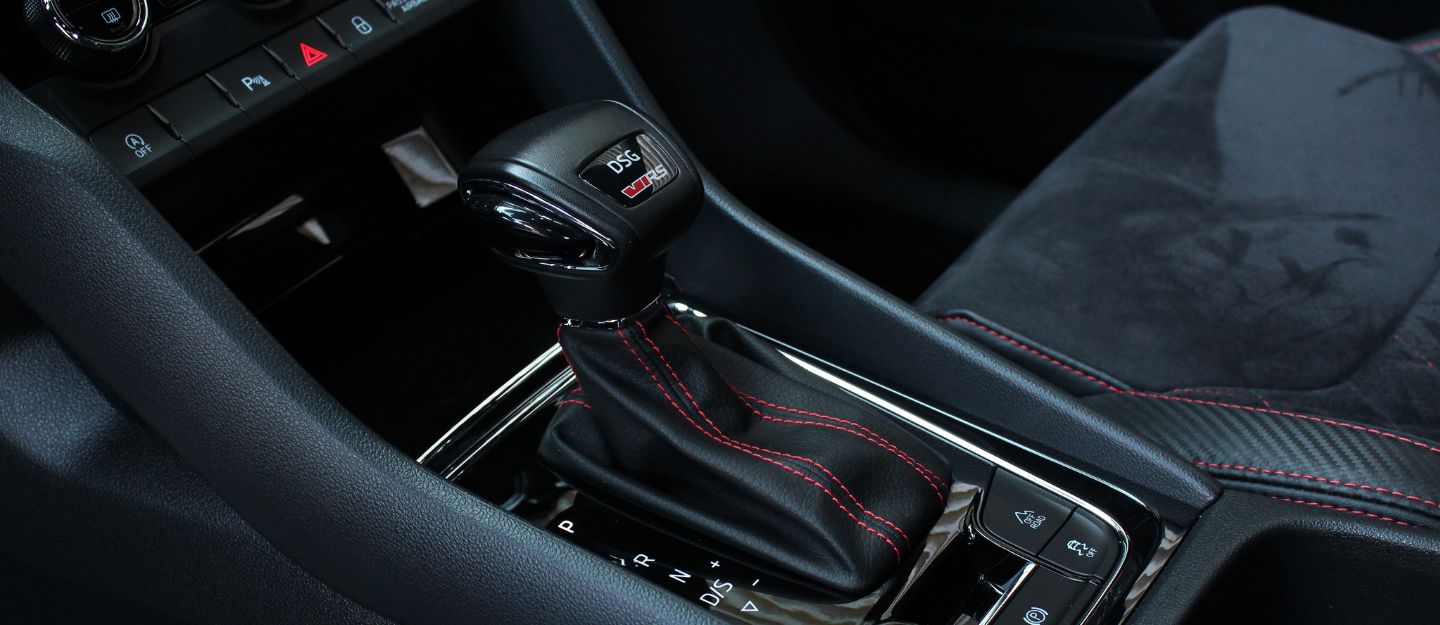
The gearbox in a car acts as a link between the engine and the wheel, playing an integral role in the driving experience. It helps the vehicle maintain efficient performance on different speed levels. Various types of gearboxes have been introduced to cater to varying preferences and needs, including Direct Shift Gearboxes (DSG).
DSGs is an innovative gearbox that combines the precision of manual transmission with the ease of an automatic one. It is known for facilitating a sporty and dynamic driving experience owing to its advanced transmission. Here’s everything you need to know about DSGs to understand their functionality and purpose fully.
What is a Direct Shift Gearbox (DSG)?
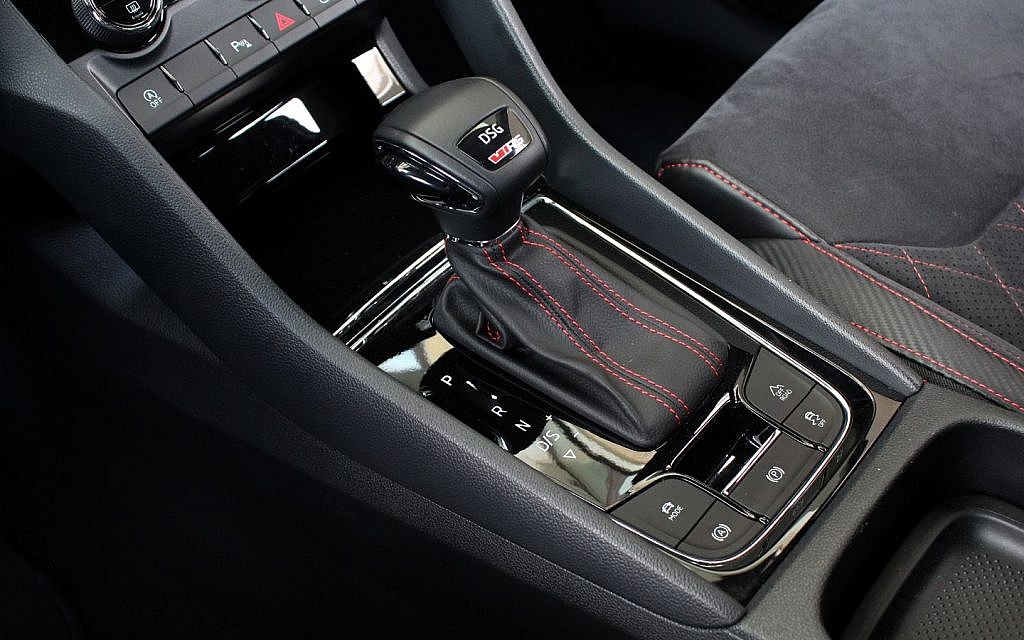
DSG is a type of gearbox utilising dual-clutch transmission to provide quick and seamless gear transitions. It is mainly opted for by various Volkswagen-owned brands such as Audi, Skoda and SEAT. Furthermore, luxury brands like Bentley and Porsche also feature DSG to ensure premium efficiency and performance.
This gearbox system goes beyond conventional automatic transmission that depends on a torque converter. It incorporates two electronically managed clutches to handle odd and even gears, pre-selecting the next gear. This way, the car delivers manual-like performance with automatic convenience.
How Does a DSG Gearbox Work?
At the centre of the DSG system is the dual-clutch mechanism, working seamlessly. The DSG function is based on a dual-clutch system. In this system, one clutch controls the odd-numbered gears, whereas the second clutch manages the even-numbered gears.
This setup facilitates a smooth transition between gears, as one clutch pre-selects the next gear while the other is engaged. Moreover, it also eliminates the need for a traditional car clutch pedal, resulting in a convenient driving experience.
Pros and Cons of DSG
DSG has the potential to enhance the driving experience to a huge extent. However, understanding its pros and cons is crucial to determine whether it aligns with your driving preferences. To help you with that, here’s a compiled list of the pros and cons of DSG transmission.

Pros
Here are some benefits of DSG transmission:
Faster Gear Changes: The pre-selecting mechanism allows for rapid shifts, enhancing acceleration and overall performance of the car,
Fuel Efficiency: By reducing power losses associated with torque converters, DSG systems contribute to improved fuel economy.
Sporty Driving Experience: DSGs are known for ensuring a responsive and dynamic performance. This makes it an ideal option for motor enthusiasts seeking an exhilarating driving experience.
Ease of Use: DSG-equipped vehicles offer automatic convenience by removing the need for a clutch pedal while preserving manual transmission control.
Cons
The cons of the DSG system are as follows:
Cost: The technical complexity of DSG systems leads to higher purchase and maintenance costs.
Gear Selection Hesitation: In certain driving conditions, the system might select an incorrect gear, causing minor delays.
Common Issues with DSG Systems
While DSG offers exceptional performance and convenience, it also presents certain challenges. Here are some of the most common issues associated with these gearboxes:
Solenoid Valve Malfunctions
Failures in the solenoid valve result in rough shifts and delayed gear changes. This is mainly caused by contamination, wear and electric faults.
Leaks in the High-Pressure Valves
High-pressure valve leaks in DSG transmissions lead to loss of line pressure, affecting gear shifts. Common symptoms include slow shifts, slipping and poor acceleration.
Electric Motor Failure
Electric motor failure in DSG is caused by worn bearings, wiring faults or transmission control module issues. Such failure leads to a loss of hydraulic pressure and hinders the smooth DSG shifting mechanism.
High-Pressure Pump Failure
High-pressure pump failure also causes the loss of pressure and gear shift failure in DSG transmissions. This failure results from worn parts or contamination and shows symptoms like flashing gear selectors and error warnings.
FAQs
Which is better, DSG or automatic?
The DSG transmission replaces the torque converter with two clutches, resulting in smoother gear shifts and better fuel economy than traditional automatics.
How to maintain a DSG gearbox?
Maintenance practices for the DSG system include regular fluid checks, preventing overheating and avoiding rolling stops.
Is a DSG gearbox easier to drive than a manual gearbox?
Driving a car with a DSG system is easier as compared to a manual one. This is because a DSG facilitates automatic gear shifts without needing manual shifting.
The direct shift gearbox features a remarkable blend of technology and innovation. It provides drivers with a convenient driving experience and enhanced fuel efficiency. It is an ideal choice for drivers who prefer a responsive and efficient ride. While the complexity of DSG systems calls for specialised care, the advantages are significant.
If you’re looking for a DSG-equipped car, it is important to explore options that are well-suited to your specific needs. Go through these used cars for sale in the UAE to select your pick. However, if you’d like to switch to a new car, here are some new cars for sale in the UAE to consider.
Stay connected to dubizzle’s auto blog for more information about different innovations in the auto sector.
Cover Image Credits: Shutterstock Image Contributor – Best Auto Photo
Related Posts