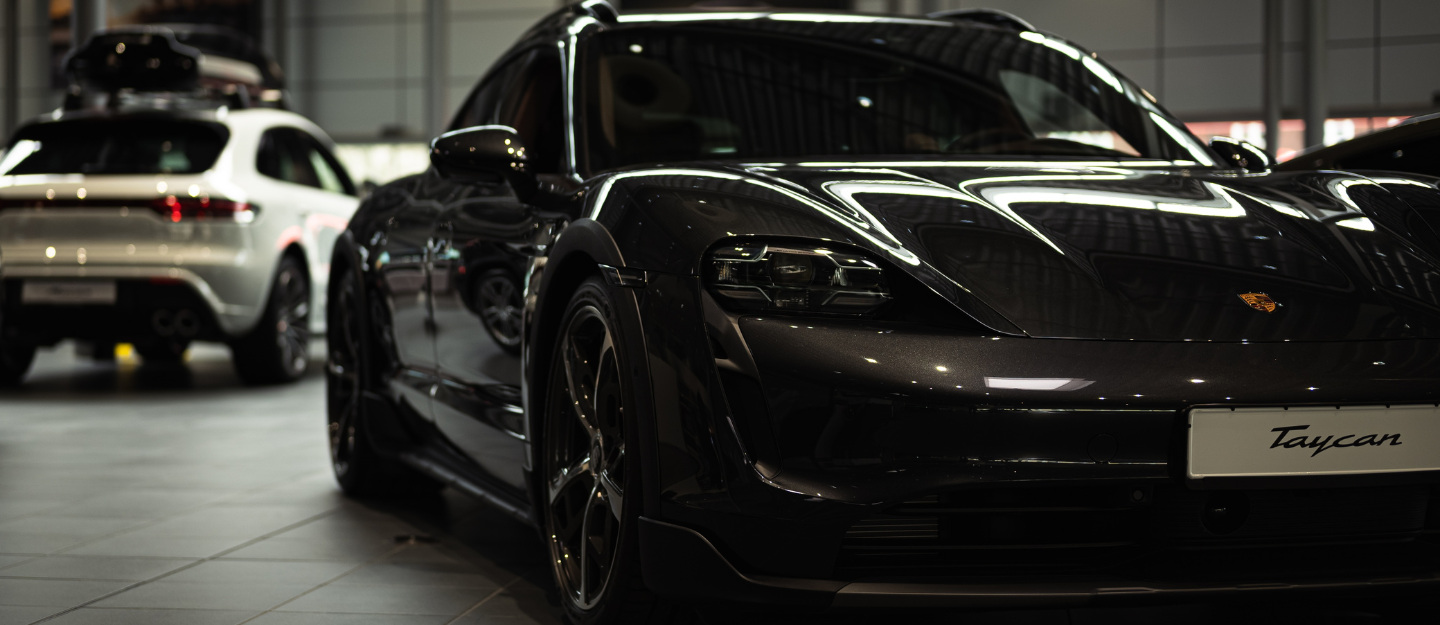
In the automotive industry, terms like premium, luxury and ultra-luxury are often used interchangeably. However, they denote significantly different levels of comfort, craftsmanship and exclusivity. From refined daily drivers to bespoke masterpieces crafted for indulgence, each category serves a unique purpose and lifestyle. Understanding the distinctions between premium, luxury and ultra-luxury cars helps buyers make well-informed decisions based on performance, ownership experience and long-term value.
Premium Car Segment Explained
Premium cars sit just above mainstream vehicles, offering a noticeable upgrade in quality, performance and technology without crossing into full luxury territory. They are designed for buyers who want refinement and brand value but still prioritise practicality and everyday usability.
Key Characteristics of Premium Cars
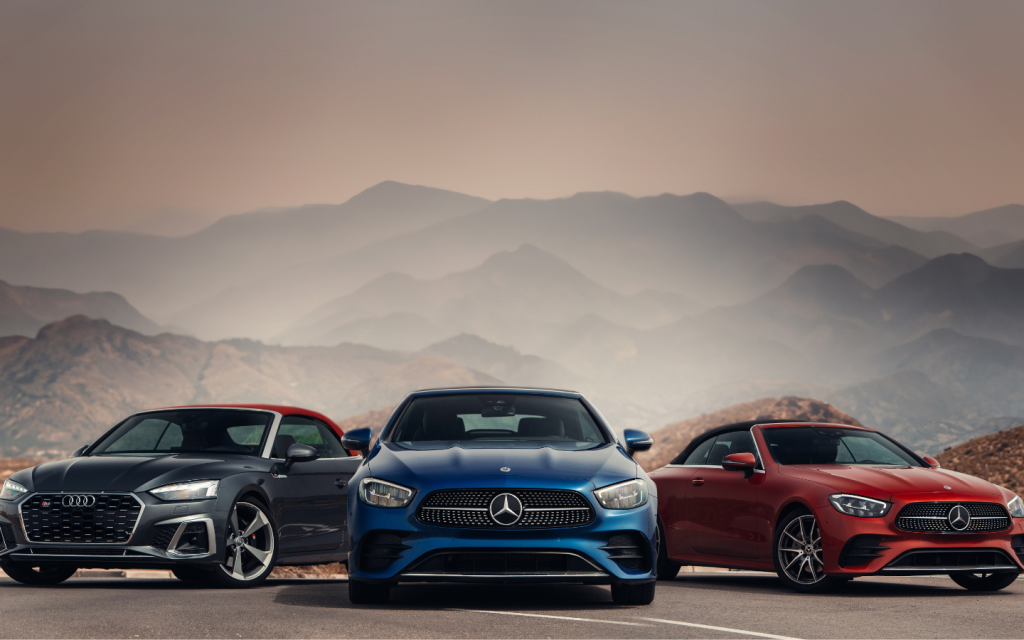
Premium vehicles focus on enhanced comfort, modern features and improved performance compared to mass-market cars.
- Interior Quality: Better materials such as leather car upholstery, soft-touch surfaces and brushed aluminium trims.
- Technology: Advanced infotainment systems, digital displays and basic driver-assistance features.
- Performance: More powerful engines and smoother handling than standard models.
- Pricing: More accessible than luxury cars, making them aspirational yet attainable.
Ownership Experience
Premium cars are usually easy to maintain and suitable for daily driving. Servicing costs are higher than those of mainstream vehicles but remain reasonable compared to those of luxury segments.
Examples of Premium Car Models
- BMW (3 Series, 5 Series)
- Audi (A4, A6)
- Mercedes-Benz (C-Class, E-Class)
- Lexus (ES, IS)
Luxury Car Segment Explained
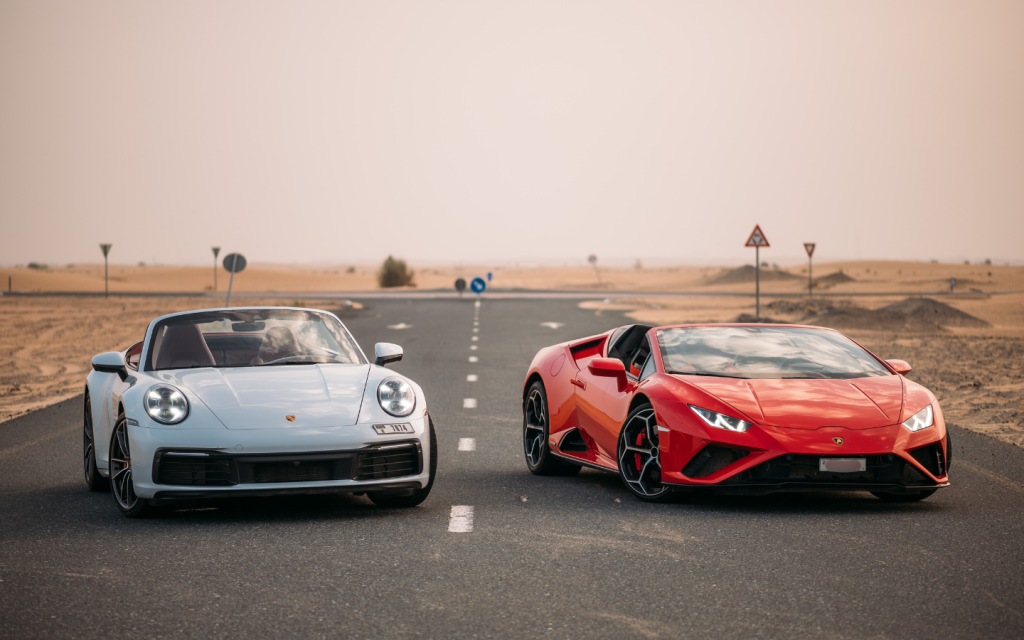
Luxury cars elevate the driving experience by emphasising comfort, craftsmanship, advanced technology and brand heritage. These vehicles are designed not just for transportation, but for indulgence.

Key Characteristics of Luxury Cars
Luxury vehicles focus on creating a refined, relaxing and immersive experience.
- Interior Craftsmanship: High-quality leather, real wood, metal accents and meticulous detailing.
Ride Comfort: Superior suspension systems that deliver a smooth, quiet ride. - Advanced Technology: Cutting-edge safety systems, driver aids and premium sound systems.
- Customisation Options: Buyers can personalise interiors, trims and features.
Performance and Engineering
Luxury cars often offer a balance of comfort and power. Engines are refined, quiet and responsive, with options ranging from efficient hybrids to powerful V6 and V8 engine configurations.
Ownership Experience
Luxury car ownership extends beyond the vehicle itself. Buyers often receive concierge services, extended warranties and premium after-sales support. Maintenance costs are higher, but service quality matches the price point.
Examples of Luxury Car Models
- Mercedes-Benz (S-Class)
- BMW (7 Series)
- Audi (A8)
- Lexus (LS)
- Porsche (Panamera)
Ultra-Luxury car segment explained
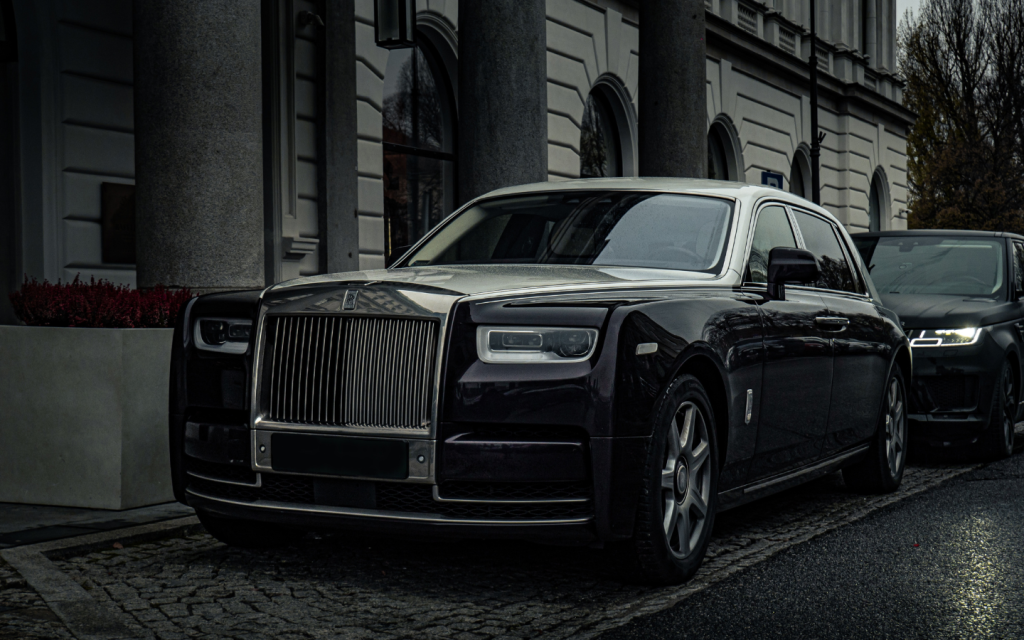
Ultra-luxury cars represent the pinnacle of automotive excellence. These vehicles are built with uncompromising attention to detail, exclusivity and bespoke craftsmanship. They are not mass-produced; instead, they are tailored to the owner’s exact preferences.
Key Characteristics of Ultra-Luxury Cars
Ultra-luxury vehicles go far beyond comfort and performance.
- Handcrafted Interiors: Luxury car features such as Fine leathers, rare wood veneers, precious metals and custom stitching.
- Bespoke Customisation: Owners can personalise nearly every element, from paint colour to embroidery.
- Supreme Comfort: Rear-seat-focused designs, massage seats, privacy partitions and whisper-quiet cabins
- Exclusivity: Limited production numbers and long waiting periods.
Performance and Presence
Ultra-luxury cars prioritise smooth, effortless power over speed. Engines are engineered for silent strength rather than aggressive acceleration, creating a serene driving experience.
Ownership Experience
Ownership often includes white-glove delivery, personal brand liaisons and exclusive events. Maintenance is premium and vehicles are often treated as collector items or status symbols rather than daily drivers.
Examples of Ultra-Luxury Car Models
- Rolls-Royce (Phantom, Ghost)
- Bentley (Mulsanne, Flying Spur)
- Maybach (Mercedes-Maybach S-Class)
- Bugatti
- Pagani
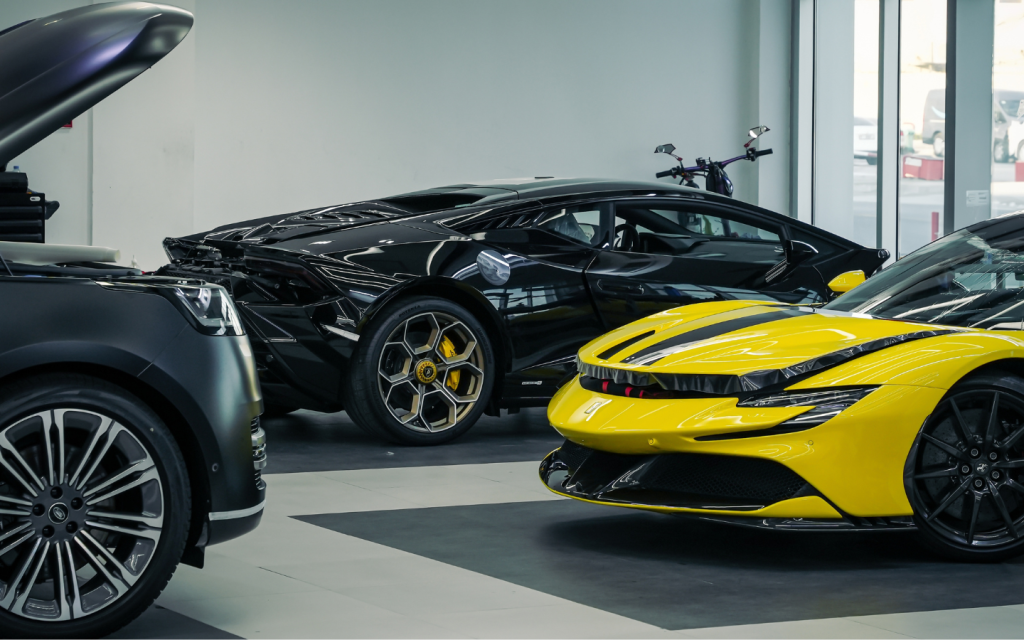
Premium vs Luxury vs Ultra Luxury cars: Key Differences at a Glance
| Aspect | Premium | Luxury | Ultra-Luxury |
| Interior Quality | High-quality materials | Premium craftsmanship | Handcrafted, bespoke |
| Technology | Advanced but practical | Cutting-edge and immersive | Personalised and exclusive |
| Comfort | Comfortable | Exceptionally refined | Ultimate indulgence |
| Performance | Balanced and efficient | Powerful yet smooth | Effortless and serene |
| Customisation | Limited | Moderate | Extensive, bespoke |
| Exclusivity | Widely available | Selective | Extremely rare |
FAQs
Are premium cars suitable for daily use?
Yes. Premium cars cater to everyday driving, offering comfort, reliability and performance without the high ownership costs of luxury vehicles.
Do ultra-luxury cars focus more on comfort or performance?
Ultra-luxury cars prioritise comfort, smoothness and refinement, delivering effortless performance rather than aggressive speed.
Are luxury cars more expensive to maintain than premium cars?
Yes, luxury cars usually have higher maintenance and servicing costs due to advanced systems and premium materials.
Are there any luxury Chinese car brands?
Yes, there are several upcoming Chinese car brands that fall in the luxury segment, such as Hongqi and NIO.
With that, we wrap up our rundown of premium, luxury and ultra luxury cars. From accessible refinement to bespoke opulence, each category offers a unique interpretation of automotive excellence. Those looking for their next ride in these respective categories can sift through these new cars for sale in the UAE. These listings offer several choices by various car makes.
For the latest car news, insights and experts’ advice, stay connected with dubizzle’s autos blog.
Cover image: Shutterstock Image Contributor – Nikita Volodko
Related Posts