
Electric vehicles have emerged as sustainable modes of transportation. With time, driving range and performance have significantly improved, making EVs a substitute for petrol vehicles. However, the higher-charging capabilities have raised concerns about accelerated battery degradation. While fast charging is not necessarily bad, repeated exposure can affect battery health in the long term. Understanding the impact of DC fast charging on an EV battery helps owners maintain battery health and maximise long-term performance..
What is DC Fast Charging for EV Batteries
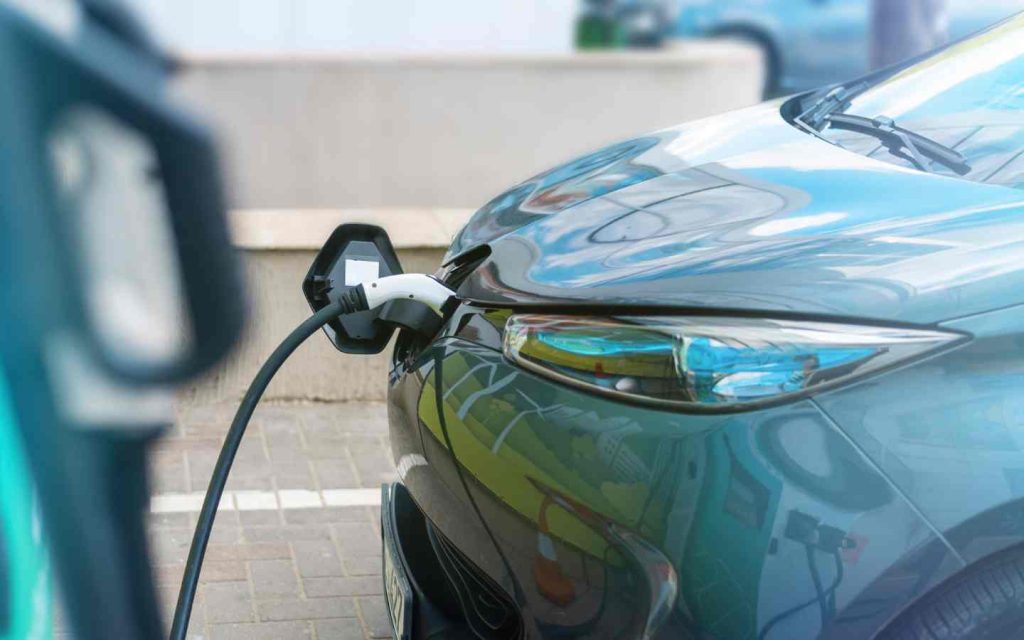
Direct Current (DC) fast charging is a high-power charging method that supplies power straight to the vehicle’s power pack, enabling rapid energy replenishment. Fast charging has charge rates ranging from 50kW to 500kW, depending on the type of charger. It is the fastest EV charging level and can add a significant amount of range within a short period of time.
Fast charging setups are typically commercial as they require high power. Moreover, fast charging costs more as the setup and maintenance costs are higher.

Impact of DC Fast Charging on an EV battery
Fast charging offers significant convenience for EV users by reducing time and improving operational flexibility. However, continuous use of fast chargers can have an impact on the battery.
- Increased heat generation
- Accelerated chemical degradation
- Reduced charging capacity retention
- Shortened battery lifespan
- Potential performance decline
Despite the potential hazards, numerous advancements like the EV Battery Management System (BMS) are available to tackle such issues. Similarly, improved cell designs and thermal control technologies mitigate the risks associated with EV battery degradation due to fast charging.
Tips for Preserving EV Battery Life While Using Rapid Charging
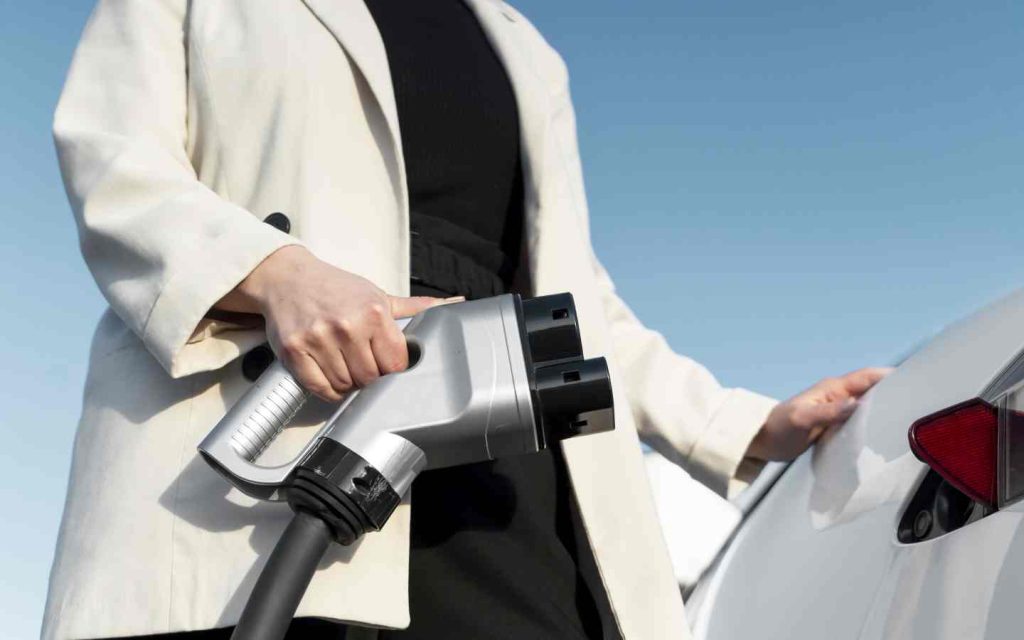
Proper charging habits are essential for maintaining long-term battery health. Preventive measures can help minimise degradation and support sustained performance.
- Reserve rapid charging for emergency events requiring immediate attention.
- Avoid keeping the battery at extremely low or full charge states for long periods.
- Charge under suitable environmental conditions to reduce thermal stress.
- Check the vehicle manual and charge as per the guidelines specified by the manufacturer.
- Use level 1 or level 2 charging when possible to avoid extra pressure on the battery.
FAQs
Which is better, DC fast charging vs AC charging for EV?
AC charging is recommended for everyday use as it does not put extreme pressure on the battery. Meanwhile, DC charging should be considered when a quick recharge is required.
What causes EV battery degradation?
EV battery degradation is mainly caused by heat, frequent DC charging and keeping the vehicle at very low or full charge.
Are public fast chargers safe for EVs?
Yes, in developed countries, the EV charging infrastructure is as per the regulations specified by the authorities. However, owners should always check if their vehicles can sustain fast charging.
This is everything to know about the impact of DC fast charging on an EV battery. Degradation is a major effect of fast charging on EV battery life; however, it only occurs in the case of repeated exposure. Whether charging an EV at home or at a station, it is advisable to follow the practices specified by the manufacturer and the authorities. These can help increase EV battery life and performance.
Addressing the concerns regarding EV charging types and battery health, manufacturers are introducing advanced systems and features that mitigate the associated risks. The many available EVs for sale in the UAE are equipped with BMS and other features.
Stay tuned to dubizzle’s auto blog for vehicle maintenance tips and more.
Related Posts