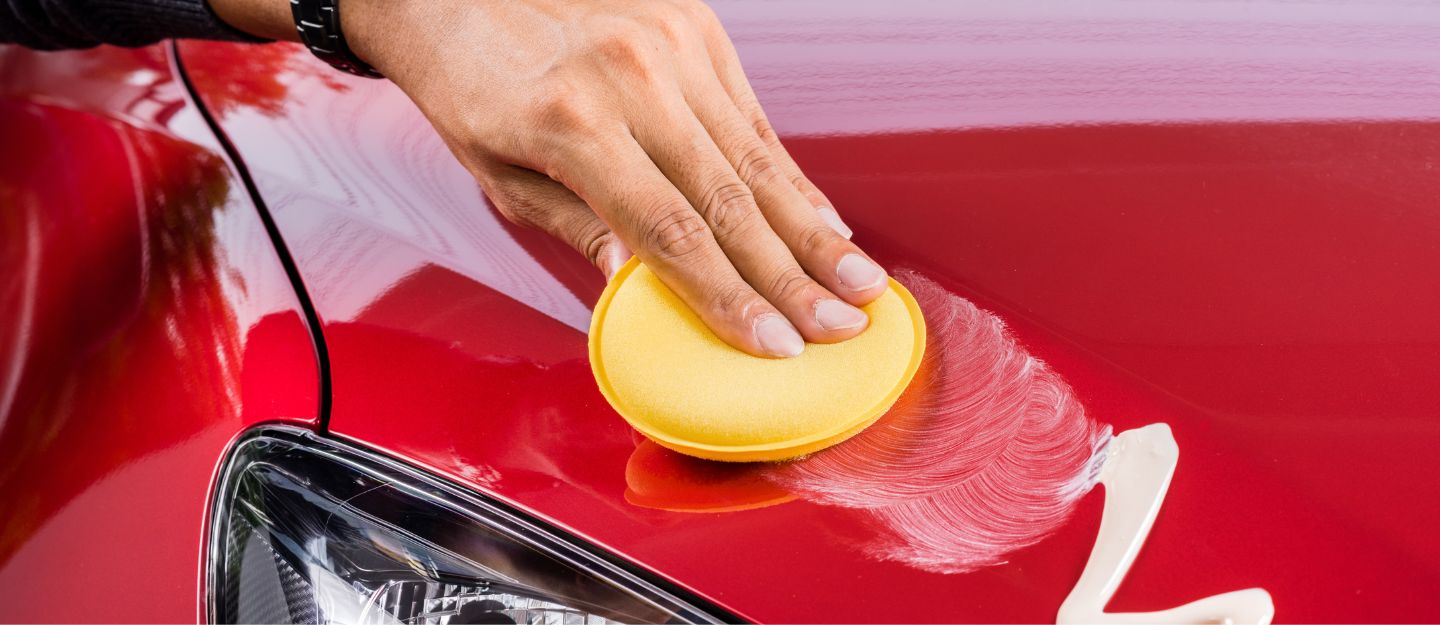
Car waxing is an integral part of an auto maintenance routine. It helps keep the car’s exterior in a pristine and smooth condition. By applying a thin layer of protective wax, car owners can shield the paint from harmful elements such as dirt and pollutants. It helps prevent fading and corrosion over time.
We have gathered all the basics of car waxing. From its most commonly used types to its complete process, here’s all you need to know about automotive wax.
Car Waxing – Essentials to Know
Car waxing involves applying a protective layer of wax to the exterior of a vehicle to enhance its appearance. This protects the paint and provides a smooth, shiny finish. The auto wax layer helps shield the car’s paint from UV rays, debris, contaminants and moisture, extending the lifespan of the paint.
Let’s take a look at the different types of auto wax.
Types of Car Waxing
Here are the different types of waxes used in the car waxing process.
Paste Wax
Known for its durability and ability to fill in minor imperfections, paste wax is a favourite for those seeking a deep, long-lasting shine. Although it requires more effort to apply compared to other types of wax, its rich finish and strong protective layer make it well worth the time. Paste wax is ideal for car owners looking for effective long-term results.
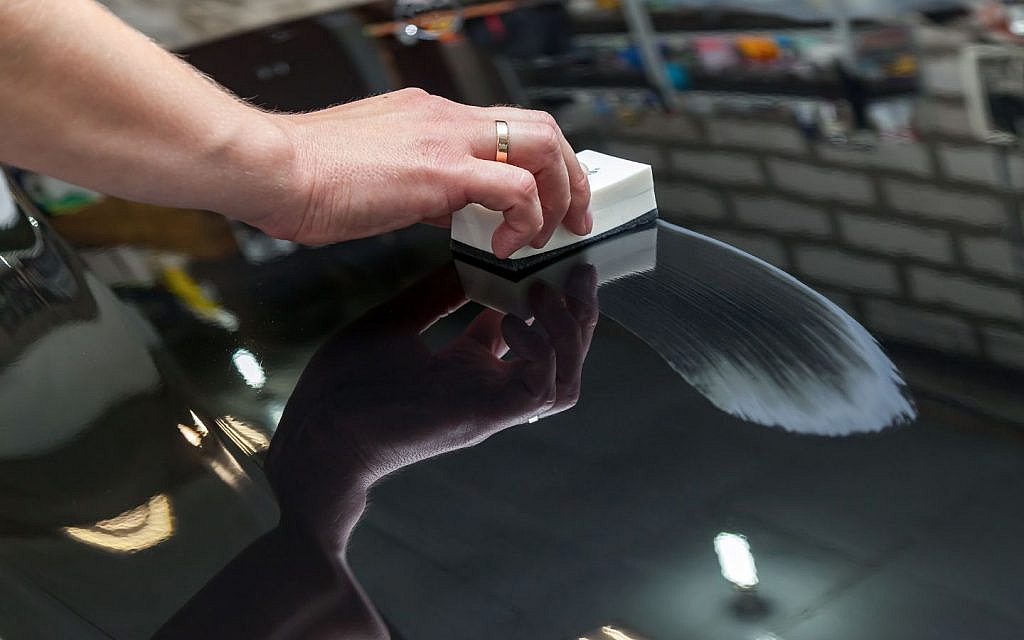
Liquid Wax
Liquid wax is easier to apply than paste wax, offering a more streamlined application process. It provides solid protection and a decent level of shine. Moreover, liquid wax is great for those who want to maintain their car’s exterior with less time and energy, while still achieving a satisfactory protection level.
Spray Wax
The most convenient and quickest option, spray wax is perfect for those who want fast results with minimal effort. It provides a quick layer of protection and moderate shine. Spray wax is ideal for touch-ups between washes or for keeping the car looking shiny in between more thorough waxing sessions.
It also helps take care of your newly-painted car. However, the car owner must wait for 40 to 60 before proceeding with the process.

Carnauba Wax
Derived from the leaves of palm trees, carnauba wax auto polish is known for its superior durability and deep, wet-look shine. Often used in premium waxes, it delivers a glossy finish that’s difficult to match. Though natural, it doesn’t last as long as synthetic options but is favoured by car enthusiasts for its ability to create a warm, rich glow on the paint.
Synthetic Wax
Made from synthetic polymers, synthetic wax is highly durable and weather-resistant. It bonds well with the car’s paint, making it an excellent choice to shield vehicles from harsh environmental elements with minimal reapplication. Synthetic waxes often provide a solid shine and are easier to apply than traditional options.
Ceramic Coating
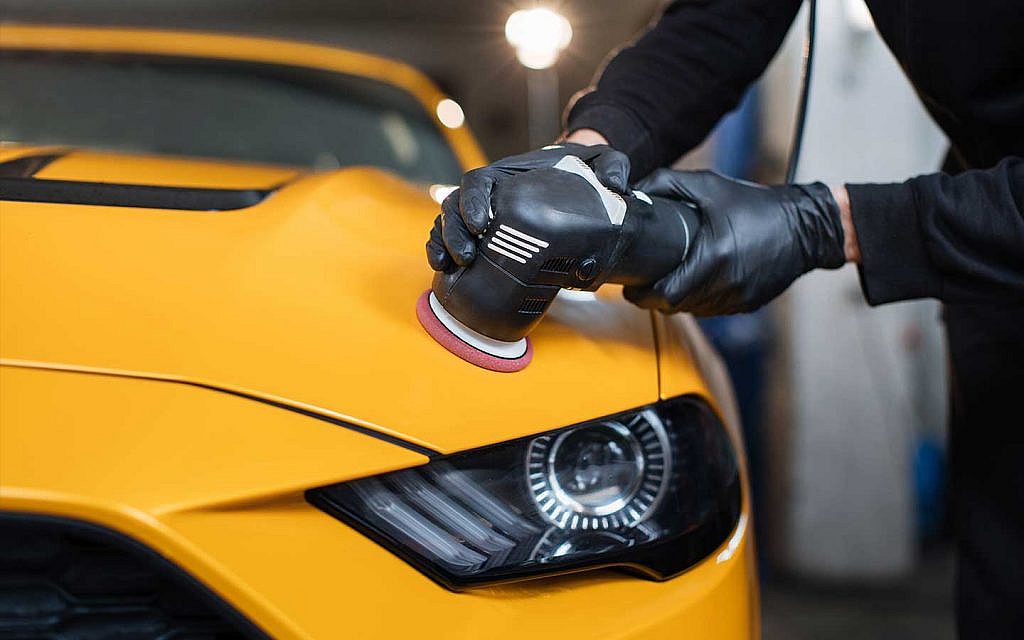
Ceramic coating in cars is a high-performance solution that offers protection, gloss and water repellency. While it is the most expensive option, it provides long-term defence against contaminants, UV rays and scratches.
In addition, ceramic coatings against car wax can last for years. This makes it a popular choice for car owners looking for protection and shine, though they require professional application.
Benefits of Car Waxing
Here are some benefits of the car waxing process. Let’s learn them, one by one.
Paint Protection
Wax acts as a protective barrier between the car’s paint and environmental elements, such as bird droppings, tree sap and pollutants. It also helps to protect the car from sunlight.
Enhances Shine and Appearance
Regular waxing restores the paint’s natural shine. It gives the car a polished, glossy finish that makes the paint look fresh and new.
Water Beading
Wax creates a hydrophobic surface that allows water to bead up and roll off the car. This reduces the risk of water spots and moisture damage.
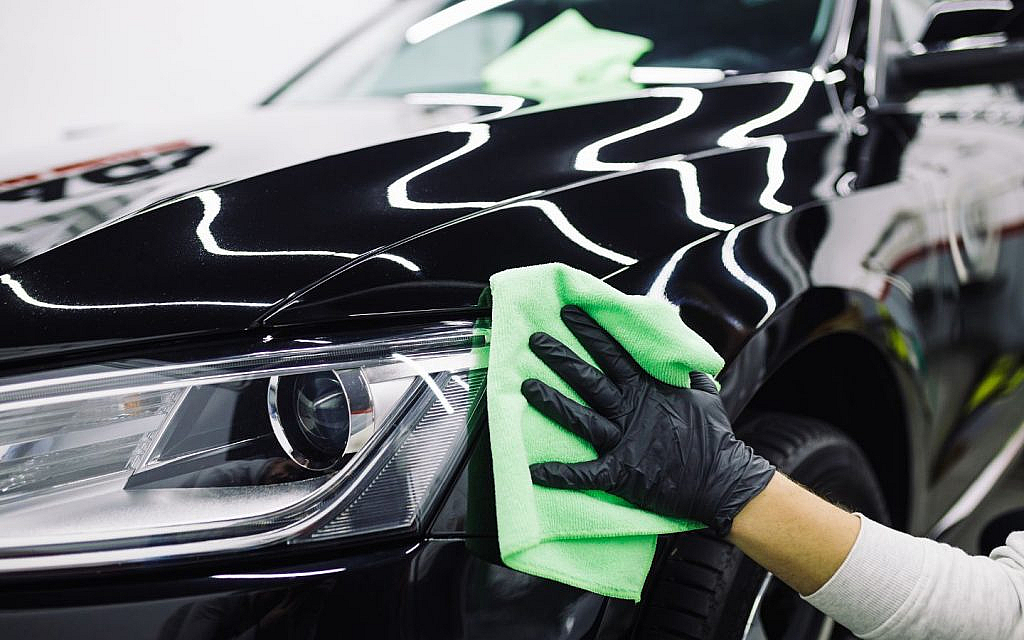
Smooth Surface
Waxing makes the surface smoother, reducing friction. It also prevents dirt and grime from sticking, making it easier to clean.
Prevents Fading
Car wax also protects against the sun’s UV rays. It helps restore the car paint from fading over time, adding to its durability.
How to Wax a Car: A Step-by-Step Process
Waxing a car is an important process that enhances the vehicle’s shine while providing a protective layer. After thoroughly washing and drying the car, the wax is applied evenly in small sections using circular motions and then left to dry to a haze.
Once dry, the car is buffed off to reveal a smooth, glossy finish. Regular waxing keeps the car looking shiny and also extends the paint life by preventing fading and surface damage. Here is a complete simplified process of how to wax your car.
Wash the Car
Start with a clean car. Wash the vehicle thoroughly to remove dirt, dust and debris using a quality car shampoo. Avoid common car washing mistakes such as using dish soap as it can strip away previous wax layers.
Dry Completely
Dry the car completely using a microfiber towel. You can also use chamois to avoid water spots.
Prepare the Surface
For a perfect finish, clay bar the car to remove any embedded contaminants from the paint surface. This step ensures a smooth, clean surface for the wax to adhere to.
Choose the Right Wax
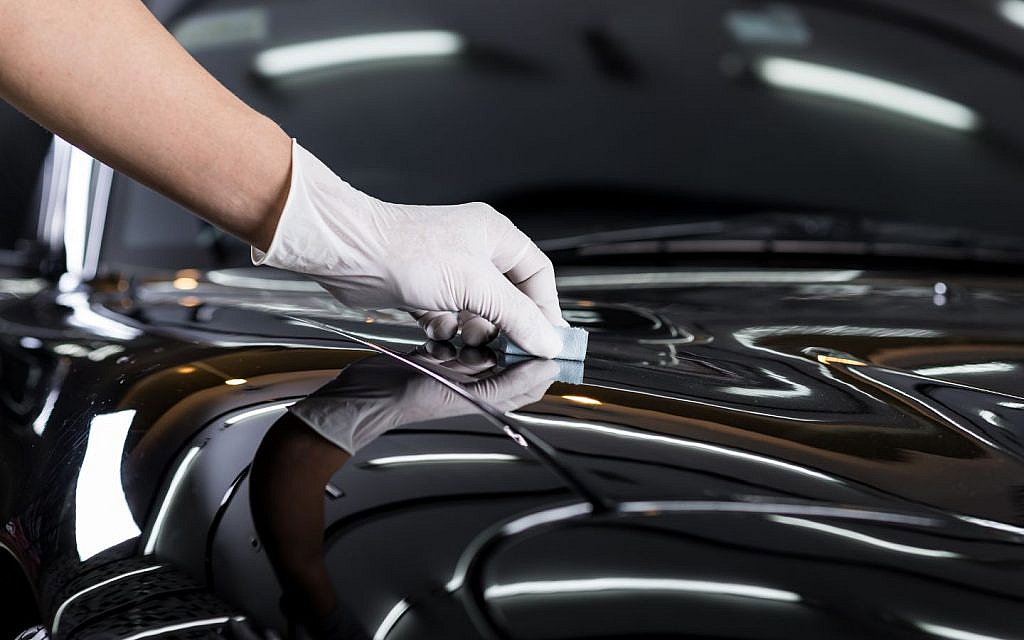
Depending on your preference and desired result, select the appropriate wax type. It can be natural wax for shine, synthetic for durability or spray wax for a quick touch-up.
Apply Wax in Sections
Work in small sections, one panel at a time. Apply a thin, even layer of wax using a foam or microfiber applicator pad. Move in circular motions to ensure full coverage.
After that, let the wax sit for a few minutes until it forms a hazy layer. It usually takes 5 to 10 minutes, depending on the product. Plus, check the instructions for specific timing.
Buff the Wax
With a clean, soft microfiber towel, buff the wax off the surface. Work in circular motions and ensure all hazy residue is removed for a smooth, glossy finish. For added protection and deeper shine, apply a second coat of wax after the first layer is fully buffed.
Final Steps
Go over the entire car with a fresh microfiber towel to catch any missed spots or excess wax. Moreover, here are some simple tips to wax your car you can make a note of.
- Wax every 3-6 months, depending on the type of wax and environmental conditions. Regular touch-ups with spray wax help maintain the shine between full wax applications.
- Always wax in a shaded area or garage to prevent the wax from drying too quickly and leaving streaks.
- Check the product instructions since some waxes require specific application methods or drying times.
- Make sure you get all the must-have car cleaning products such as microfibre towels. They help prevent scratches and ensure a smooth finish.
FAQs
Is it good to wax your car?
Yes, waxing your car is beneficial as it protects the paint, enhances shine and helps maintain the car’s overall appearance and longevity.
Are car wax and polish the same?
No, car wax and polish are not the same. Polish removes a thin layer of paint to smooth imperfections, while wax adds a protective, glossy layer to preserve the paint.
How many coats of car wax are required?
Usually, one to two coats of car wax is sufficient, with a second coat ensuring more even coverage.
How do I prepare my car for waxing?
Thoroughly wash and dry your car, then remove any contaminants with a clay bar before applying wax.
With this quick guide to car waxing, you can now keep your ride in a near-mint condition and restore its appearance. Waxing is an essential part of car detailing to keep up the shiny exteriors.
Besides, even if you buy a new car in the UAE, don’t forget the aforementioned tips and tricks for your vehicle’s maintenance.
Keep reading dubizzle’s Autos blog to learn more about car maintenance.
Related Posts


