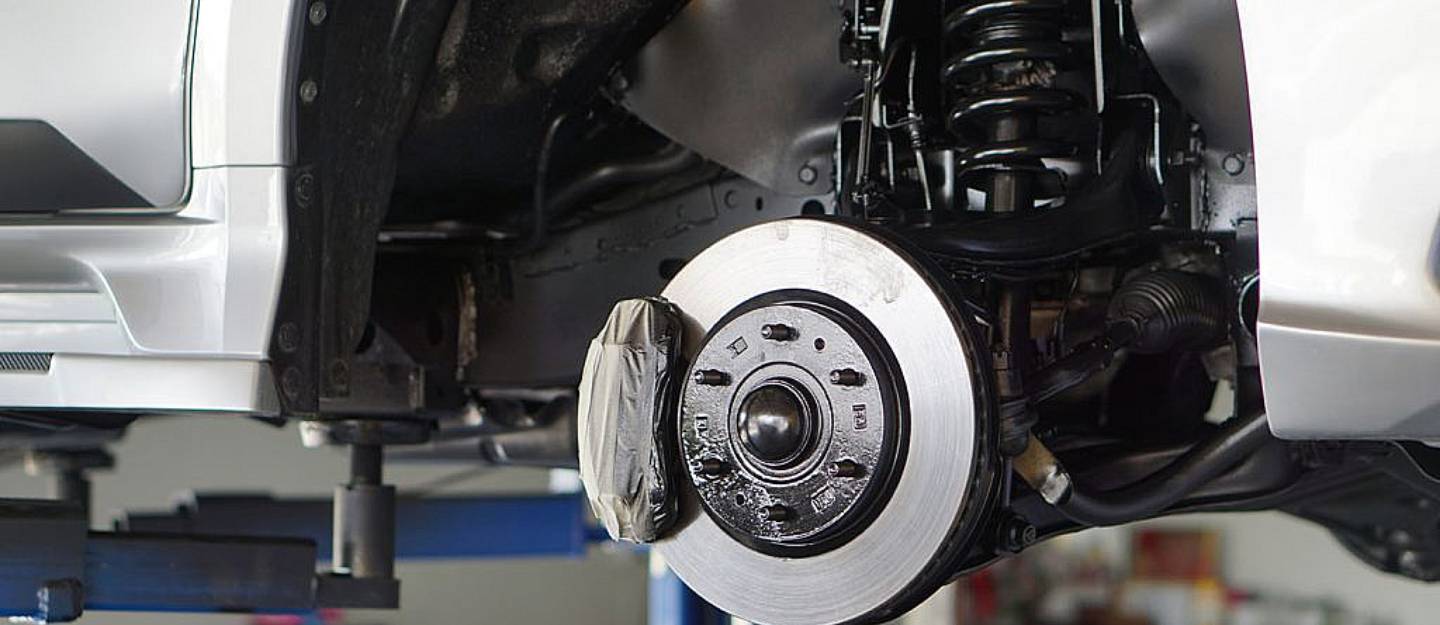
The functioning of a vehicle relies on many different parts and components. While it is powered by an engine or an electric motor, its drivability is enhanced by transmission, steering and suspension components. The suspension systems used in automobiles today have come a long way. From simple spring mechanisms to advanced shock absorbers, suspension systems in vehicles have seen remarkable improvements over the years. Let’s go through the evolution of car suspension systems in detail and explore some interesting facts.
Evolution of Car Suspension: Timeline and Facts

Suspension in cars, especially the modern-day ones, comes in various types and comprises many parts. However, these components were not as complex and advanced as they are today. Here’s more on car suspension origin and how it evolved.
It All Began Around 60,000 Years Back
The concept of suspensions in vehicles has a very unusual origin. It is not, in any way, either related to two-wheelers or four-wheelers. Instead, the origins of suspension technology date back over 60,000 years. It was when early civilisations used the principles of suspension and the way it works to launch arrows from bows. Similarly, the dwellers of ancient Egypt used another type of suspension technology in catapults, chariots and other weaponry tools.
Early 1900s – The Advent of Suspension Technology in Vehicles
The history of automobiles dates back to the nineteenth century, however, these early mobility machines were without proper suspension. Automobiles back in the day were mainly tricycles. As time went by, some of those came with leaf spring settings.

According to historical records, the car suspension evolution began in the early 1900s. Early four-wheelers that featured suspension systems were motorised buggies. Rides at that time were not as comfortable as today. The early suspension technology lacked damping. As a result, there was no mechanism to reduce the vibratory motion caused by an uneven surface or pavement.
1904 – Story of the Brush Brothers
The Brush brothers were known for their work in early automotive development. However, in one instance, they encountered challenges with vehicle stability and comfort. Their experiments with leaf springs and flexible frames highlighted the need for better suspension to absorb road shocks. This discovery and innovation was a breakthrough in the history of car suspension. It laid foundational principles for modern car suspension systems, emphasising the importance of ride quality and durability.
1910s: Evolution of a Four-Wheel Suspension
Vehicles after the 1910s were equipped with standard arrangements. It was a noteworthy era in the evolution of automotive design and technology. The engine was installed in the front with a rear wheel drive. Similarly, the front and rear axles came with a leaf spring suspension system. Conical springs were added to the suspension system later in the 1930s to improve the riding comfort and overall drivability.
1940s: Hydraulic Shock Absorbers Revolutionize Comfort
The 1940s introduced hydraulic shock absorbers in car suspension, a game-changer in automotive technologies of the time. These devices provided better damping, reducing the impact of road irregularities and enhancing ride comfort.
1950s: Independent Suspension Systems Emerge
In the 1950s, automakers began adopting independent suspension systems, particularly for front wheels. This innovation improved handling and stability by allowing wheels to move independently. However, independent rear suspension systems were also introduced at a later stage in the history of automotive suspension
1980s: Air Suspension and Adaptive Systems
Air suspension systems became popular in luxury vehicles during the 1980s. They offer adjustable ride heights and enhanced comfort. Adaptive suspension systems also debuted, enabling real-time adjustments based on road conditions.
21st Century: Smart Suspensions

Modern cars now feature electronically controlled suspension systems, such as Magnetic Ride Control, for unparalleled customisation and comfort. Future advancements include AI-integrated systems to predict and adapt to road conditions dynamically. Mercedes-Benz bounce mode is a prime example of the technological integration into suspension systems.
FAQs
What are the 4 types of suspensions?
The four types of suspension systems are independent, dependent, semi-independent and air suspension. However, these are further classified into types of vehicle suspension systems, depending on their purpose and usage.
What is the oldest type of suspension?
The oldest car suspension is the dependent suspension system. In this system, a solid axle links both wheels, which means if one wheel experiences a bump or a shock, the effect immediately transfers to the other.
How to maintain a car’s steering and suspension system?
Lubricate the vehicle’s steering and suspension system regularly to maintain optimal performance and safety. It also adds to the longevity of such crucial components.
This was everything to know about the evolution of car suspension systems. The early innovation in suspension technologies and associated systems has led to myriad advancements in automobiles. On a similar note, this history of automotive steering wheels also has an interesting timeline of facts and innovations. All these cutting-edge developments are paving the way for a future with a safer and more convenient driving experience.
Most of the used and new cars for sale in the UAE come with robust suspension systems with advanced technology. However, carefully go through the features and available specs to choose your ideal ride.
For more updates on important car parts and repairs, keep reading UAE’s leading auto blog.
Related Posts