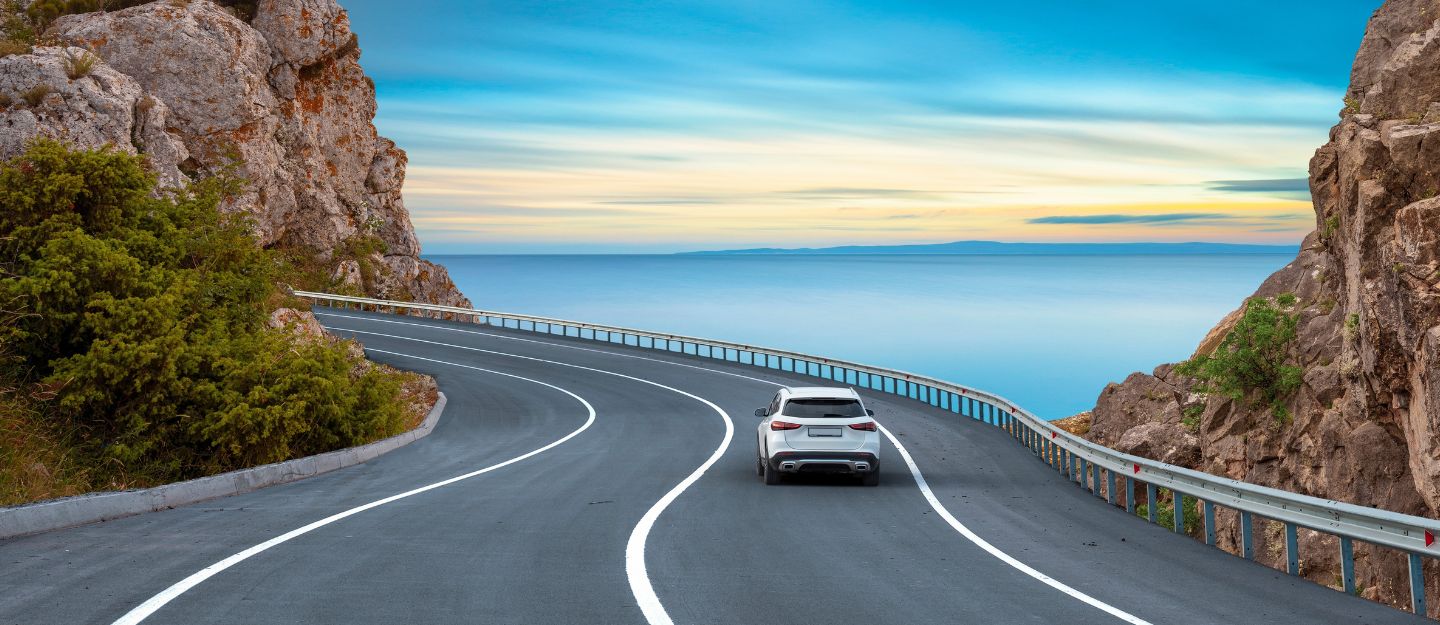
Driving through high-altitude terrain can be a breathtaking experience, both visually and mechanically. While the scenic views are unforgettable, the reduced oxygen levels and lower air density at high elevations can significantly affect how a vehicle performs. The impact of altitude on car performance includes reduced engine power, altered tyre pressure and overall strain on key vehicle systems. These changes can make it harder for cars to accelerate or climb steep slopes. Whether you’re a daily commuter or an off-road enthusiast, understanding how terrain altitude and vehicle efficiency are connected is essential for safe and efficient travel.
Terrain Altitude Effects on Engine Performance
Altitude affects the way engines function by changing the oxygen-to-fuel ratio essential for combustion. At higher elevations, performance metrics such as power, efficiency and responsiveness begin to shift due to reduced oxygen levels. These changes highlight how engine performance at high elevation is directly impacted by atmospheric conditions.
Reduced Engine Power
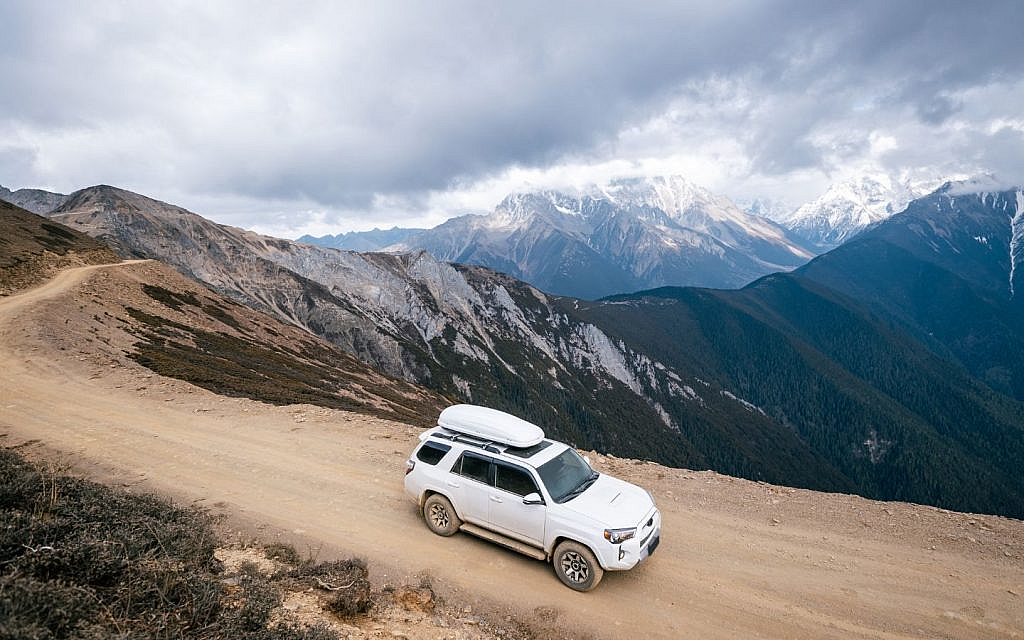
One of the most noticeable effects of high altitude is reduced engine power. At higher elevations, the air is thinner and has less oxygen, which is essential for engine combustion. Reduced oxygen levels hinder the combustion process, leading to lower performance.
Slower Acceleration and Climbing Struggles
With reduced engine power, vehicles accelerate more slowly. They may take longer to reach desired speeds and face difficulty when climbing steep slopes. These high-altitude driving effects are especially pronounced in naturally aspirated engines, which lack the boost of forced induction systems.

Changes in Fuel Efficiency
Elevated terrain affects the air-fuel mixture in combustion engines. Engines may experience inefficient combustion, leading to increased fuel consumption or the need for higher-octane fuel. Without proper tuning, this imbalance can hurt fuel efficiency and increase emissions.
Increased Cooling System Strain
Cooler temperatures may be common at higher altitudes, but thinner air can ironically lead to hotter engines. Thinner air provides less resistance for heat transfer, forcing your vehicle’s cooling system to work harder to prevent overheating.
Tyre Pressure Fluctuations
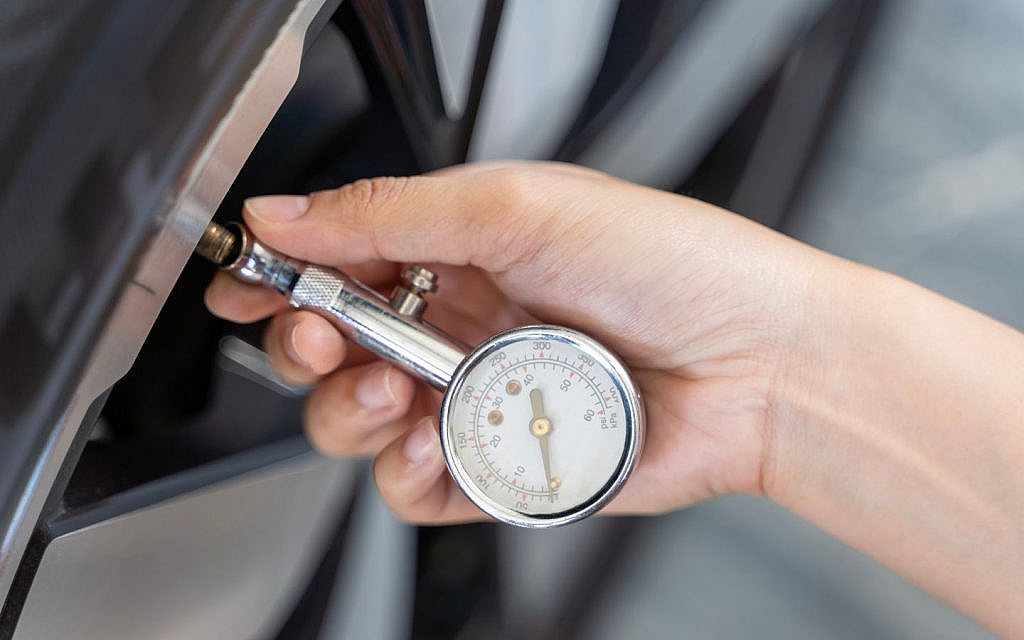
Atmospheric pressure drops with altitude and so does your tyre pressure. Underinflated tyres can compromise handling, braking and fuel economy.
FAQs
What type of engines perform better at high altitudes?
Engines with forced induction systems, such as turbocharged or supercharged engines, perform significantly better at high altitudes.
Does fuel efficiency decrease at high elevations?
Yes, fuel efficiency often decreases at high elevations due to reduced oxygen levels affecting combustion and engine performance.
Can altitude affect a car’s cooling system?
Yes, altitude can affect a car’s cooling system because thinner air at higher elevations reduces heat dissipation, increasing the risk of engine overheating.
Altitude isn’t just a geographical change; it’s a mechanical challenge. From weakened engine power to reduced fuel efficiency and increased strain on systems, high-altitude terrain tests your vehicle in unique ways. Staying informed and prepared is crucial for maintaining performance and safety when driving in mountainous or elevated regions.
If you’re looking for a vehicle that can handle the demands of varied terrain, including high-altitude environments, explore these used cars for sale in the UAE. For brand new models, go through these new cars for sale in the UAE.
Follow dubizzle’s auto blog for more tips and information on handling your vehicle in different environments.
Cover Image Credits: Shutterstock Image Contributor – ozkan ulucam
Related Posts