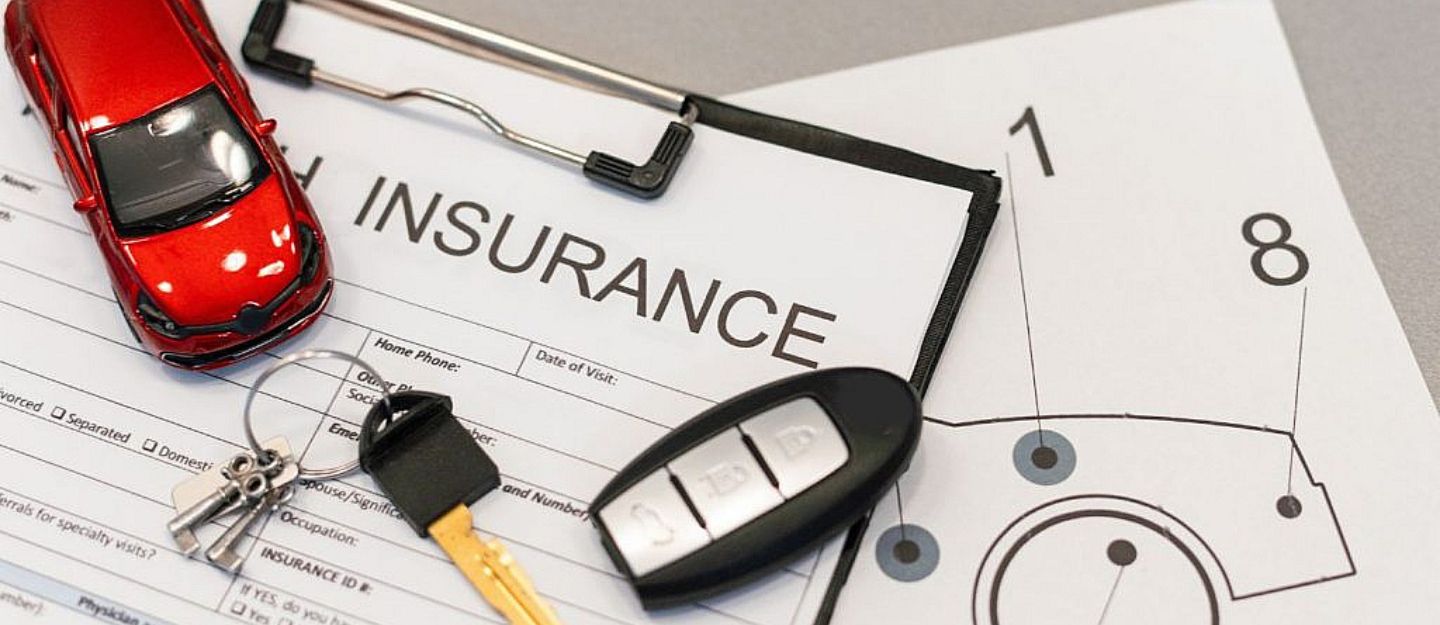
Navigating the world of car insurance can be a complex task, especially given the variety of terms and phrases that insurers and brokers often use. For drivers in the UAE, understanding the specific jargon is vital for making informed decisions that ensure proper coverage and compliance with local regulations. To help simplify the process, we’ve put together a comprehensive glossary of essential car insurance terms that every UAE driver should know. With clear definitions and explanations, it becomes easier to compare policies, communicate confidently with insurers and select coverage that fits your needs and budget.
List of Common Car Insurance Terms in the UAE
Insurance companies and agents commonly use industry-specific terms to explain policies, coverages and claims processes. This jargon helps them communicate precisely and efficiently within regulatory and professional frameworks. To support clearer understanding, we’ve curated a glossary of common car insurance terms to help you make sense of the coverage and process you’re signing up for. For those exploring or reviewing policies, dubizzle’s car insurance service also provides access to insurance options where these terms frequently apply.
Act of God
An unexpected natural event like a flood, storm or earthquake that causes damage.
Actual Cash Value (ACV)
The current market value of the car at the time of damage or loss, after accounting for depreciation, is its actual cash value. It is the amount the insurer will pay if the car is written off or stolen.
Add-ons
Add-ons in car insurance are extra features that can be included in a standard policy to provide additional protection for the vehicle.
After-Market Parts
After-market parts are replacement components manufactured by companies other than the Original Equipment Manufacturer (OEM). Designed to function like the original parts, they are often more affordable. These parts are commonly used in vehicle repairs when original parts are unavailable or too expensive.
Agency Repairs
Agency repair in car insurance refers to a feature that allows the car to be repaired at the manufacturer’s authorised service centre.
Approved Garages
Workshops that the insurance company approves for car repairs. If the car is damaged, it must be taken to one of these garages to get repairs covered by insurance.
Basic Deductible
Basic deductible is the fixed amount that the car owner must pay out of pocket before the insurance covers the rest of the repair cost. It applies every time a claim is made.
Bodily Injury Liability (BI)
Covers medical costs if someone is injured or dies in an accident caused by the insured driver. It helps pay for hospital bills, treatment and legal costs if the driver is held responsible.
Cancellation
When a car insurance policy ends before its expiry date, this can be done by either the insurer or the policyholder.
Catastrophe
A major event that causes widespread damage, like a flood, earthquake or large accident.
Claim
A formal request submitted to the insurance company by the policyholder to receive compensation for a covered total loss or damage.
Collision Coverage
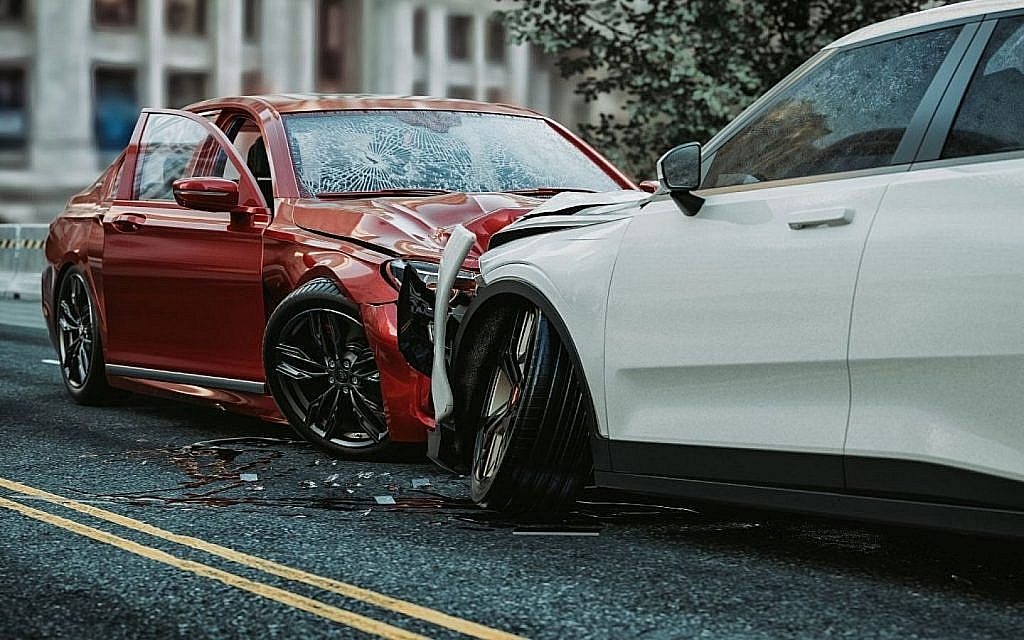
Pays for damage to the insured car after hitting another vehicle or object, like a wall or pole. It helps cover repair or replacement costs, no matter who caused the accident.
Comprehensive Coverage
Comprehensive coverage is a type of car insurance that provides coverage for damages to your own vehicle as well as third-party liabilities. It includes protection against accidents, fire, theft, vandalism, natural disasters and damage caused by falling objects. This insurance covers both the insured vehicle and any damage it causes to others.
Depreciation
Depreciation is the reduction in a car’s value over time due to age, usage and wear and tear. In car insurance, it affects the payout amount during a claim. The insurer calculates the current value of the car or its parts, not the original price.

Depreciation Percentage
The percentage that the car owner has to pay when damaged parts are replaced with new ones after an accident. This cost depends on the age of the car and is based on a fixed depreciation schedule set by the insurance company.
Endorsement
Endorsement, also known as a rider, is an official change or addition made to a car insurance policy. It updates the policy details, such as adding a new driver, changing vehicle information or adding cover for things like off-road use or personal accident benefits.
Exclusions
Exclusions refer to those events and circumstances that are not covered by the insurance policy. It is important to be aware of these situations to avoid claim denials and unexpected out-of-pocket expenses.
Fault claim
A claim where the insurer cannot recover the repair costs from another party. This includes cases like car fires or hitting an animal, where no one else is to blame. Even if the driver is not at fault, it is treated as a fault claim because the insurer bears the full cost.
First Party
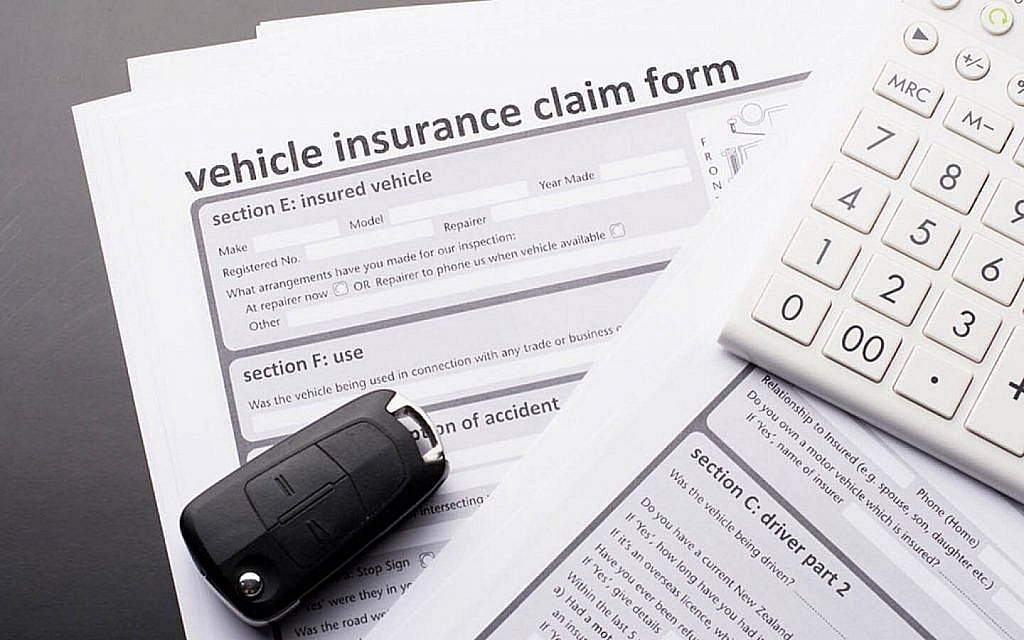
The person who owns the car and has purchased the insurance policy. This is the insured individual who is covered by the policy and can file a claim for damages or loss.
Fleet Insurance
Fleet insurance is a type of car insurance policy that covers multiple vehicles under one plan. It is usually used by companies that own and operate several vehicles.
Gap Insurance
If a car is stolen or damaged, regular insurance only covers its current market value, which is often lower than the original purchase price. Gap insurance covers the difference between this payout and the remaining amount owed on a loan or lease.
Grace Period
In the car insurance glossary, grace period refers to the extra time given after the policy expiry date during which the policyholder can renew their insurance without losing coverage benefits.
Indemnification
The process by which the insurance company compensates the policyholder for loss or damage covered under the policy. It ensures the insured is restored to the same financial position they were in before the loss occurred. Usually, this is done by repairing the vehicle, replacing it or by providing a cash payout up to the policy limit.
Insured Person
The individual whose vehicle or interests are protected under the insurance policy. This person receives coverage and can make claims in case of damage or loss, as mentioned in the policy terms.
Insurer

The company that provides the car insurance policy.
Leased Vehicle
A leased vehicle is a car that is rented for a long period through a contract. The driver uses the car but does not own it. The leasing company remains the legal owner.
Liability
The legal responsibility for damages or injuries caused to others. In car insurance, liability usually refers to the driver’s duty to pay for damage or harm caused to another person or their property.
Lien
A lien is a legal right held by a lender or bank on a vehicle when a loan is taken to buy it. The vehicle cannot be sold or transferred until the loan is fully paid and the lien is cleared.
Market Value
Market value is the current estimated worth of your car in the open market at the time of a claim. In case of a total loss or theft, the insurer uses this value to decide how much compensation to pay, based on the car’s age, condition and depreciation.
Misrepresentation
Misrepresentation refers to providing false, incorrect or incomplete information to the insurer while buying or renewing a policy. This can include wrong details about the car, driving history or use of the vehicle.
Minimum Coverage
Minimum coverage is the least amount of insurance required by law to drive a vehicle legally in the UAE.
Named Driver
A named driver is a person who is listed on the insurance policy and is allowed to drive the insured vehicle. Only the individuals specifically mentioned in the policy are covered under the insurance.
New-for-Old Cover

New-for-Old Cover means that if your car is written off or stolen and not recovered, the insurer may replace it with a brand-new car of the same make and model, instead of paying its depreciated value.
No Claims Discount (NCD)
A No Claims Discount (NCD) is a reward offered by insurance companies to policyholders who do not make any claims during a specific period.
Non-Renewal
Non-renewal refers to the decision by an insurance company not to renew a policy once it expires.
Non-agency Repair
Non-agency repair means the insured car will be repaired at a garage chosen by the insurance company, rather than at a service centre approved by the car’s manufacturer.
Occupational Hazard
Occupational hazard refers to the increased risk associated with certain jobs or professions.
Partial Loss
A partial loss refers to damage to the insured vehicle that is repairable and does not result in a complete write-off.
Personal Injury Protection (PIP)
Personal Injury Protection (PIP), also known as no-fault insurance, provides coverage for medical expenses of the driver and passengers after an accident, regardless of who is at fault.
Pre-accident Condition
Pre-accident condition refers to the state of a vehicle before a collision or damage occurred.
Premium
Premium is the amount paid to an insurance company for coverage. In car insurance, it can be paid monthly, quarterly or annually. The premium depends on factors like car type, driver’s history, location and coverage level.
Policy Schedule
A policy schedule is a document issued by an insurance company that summarises all the key details of an insurance policy, such as the policyholder and vehicle information, type of coverage, policy start and end dates, premium amount and other relevant information.
Quote
A quote is an estimated cost provided by an insurance company for a specific policy based on the information shared by the applicant. It includes details such as premium amount, coverage and terms. The quote helps the person compare different plans before finalising one.
Quotation Validity
Quotation validity refers to the period during which the insurance quote provided by a company remains valid. During this period, the price and terms mentioned in the quote are guaranteed. Once the validity period ends, the quote may change based on updated rates or information.
Replacement Car
A replacement car is a temporary vehicle provided to the policyholder if the insured car is being repaired due to an accident or is declared a total loss.
Renewal
Car insurance renewal is the process of extending a car insurance policy after its expiry date.
Roadside Assistance

Roadside assistance is a service offered with car insurance that provides help if a vehicle breaks down while on the road. It can include services like towing, jump-starting a dead battery, changing a flat tyre, fuel delivery and lockout assistance.
Territorial Limits
Territorial limits refer to the specific geographic areas where an insured vehicle is covered under the car insurance policy. If an incident happens outside these defined areas, the insurer may not cover the claim. These limits are usually mentioned clearly in the policy documents.
Total Loss
A vehicle is considered a total loss when the cost of repairs exceeds its market value or when it is damaged beyond repair.
Unearned Premium
Unearned premium is the portion of the insurance payment that covers the remaining period of the policy. For example, if a one-year car insurance policy is cancelled after three months, the unearned premium is the amount paid for the unused nine months.
Umbrella Insurance
Umbrella insurance provides extra liability coverage beyond the limits of a standard car insurance policy. It offers added protection in case of major accidents where costs exceed regular policy limits. This type of insurance can help cover legal fees, medical expenses and damages that go beyond the main insurance plan.
Underwriting
Underwriting is the process used by insurance companies to evaluate the risk of insuring a person or vehicle. Based on factors like driving history, age, location and vehicle type, the insurer decides the coverage terms and premium amount.
Vehicle Identification Number (VIN)
VIN is a unique 17-character code assigned to every vehicle. It acts like a fingerprint for the car, showing details such as the manufacturer, model year, engine type and place of production.
Wear and Tear
Wear and tear refers to the gradual damage or decline that occurs to a vehicle over time due to regular use and ageing. It includes things like tyre thinning, brake pad erosion or paint fading.
FAQs
What does ‘third-party liability’ mean in car insurance?
Third-party car insurance is the part of a car insurance policy that covers damage or injury caused to other people, their vehicles or property by the insured vehicle. It does not cover any damage to the policyholder’s own car.
What is ‘excess’ in car insurance policies?
Excess is the fixed amount the policyholder must pay towards a repair or claim. The insurance company covers the remaining cost. For example, if the repair cost is AED 3,000 and the excess is AED 500, the insurer pays AED 2,500.
What are ‘insured peril’ and ‘uninsured peril’ in car insurance?
An insured peril is an event that is covered by the car insurance policy, such as accidents, theft or fire. If the car is damaged due to any of these events, the insurer will pay for the loss.
An uninsured peril is an event that is not covered by the policy, such as damage from unauthorised use, racing or intentional acts. In such cases, the insurance company will not provide compensation.
These are some important car insurance jargon terms that may be difficult to comprehend initially. Car insurance terminology can often appear complex and overwhelming, especially for first-time policyholders. However, developing a clear understanding of these key terms is essential for anyone planning to obtain or renew a vehicle insurance policy in the UAE. Familiarity with insurance jargon not only simplifies the decision-making process but also ensures greater transparency and confidence when comparing or managing policies.
When considering offers from car insurance companies in Dubai or any other emirate in the UAE, knowing these terms can make the process easier.
When browsing used cars for sale in the UAE, choose one that suits your needs and make sure to insure it to protect against unexpected risks. For that, you can opt for dubizzle car insurance for professional assistance.
Stay tuned to dubizzle’s auto blog to get more information on car insurance.
Related Posts