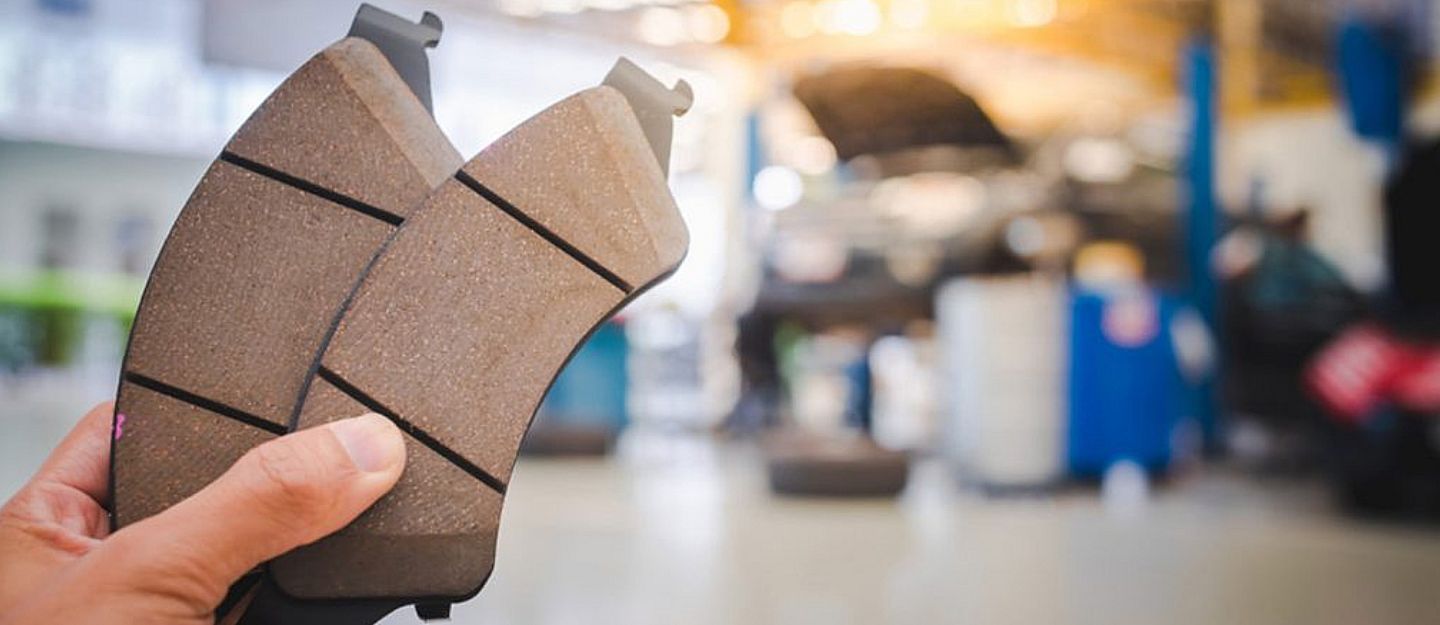
When discussing vehicle performance, engine, transmissions and suspension systems often dominate the conversation. However, one of the most important components for both safety and driving confidence is often overlooked: the brake pad. Regardless of a vehicle’s size, power or purpose, car brake pads are essential to its ability to slow down and stop safely. Understanding how they work, the different types available and when they should be replaced can help motorists maintain optimal vehicle performance.
What Are Brake Pads?
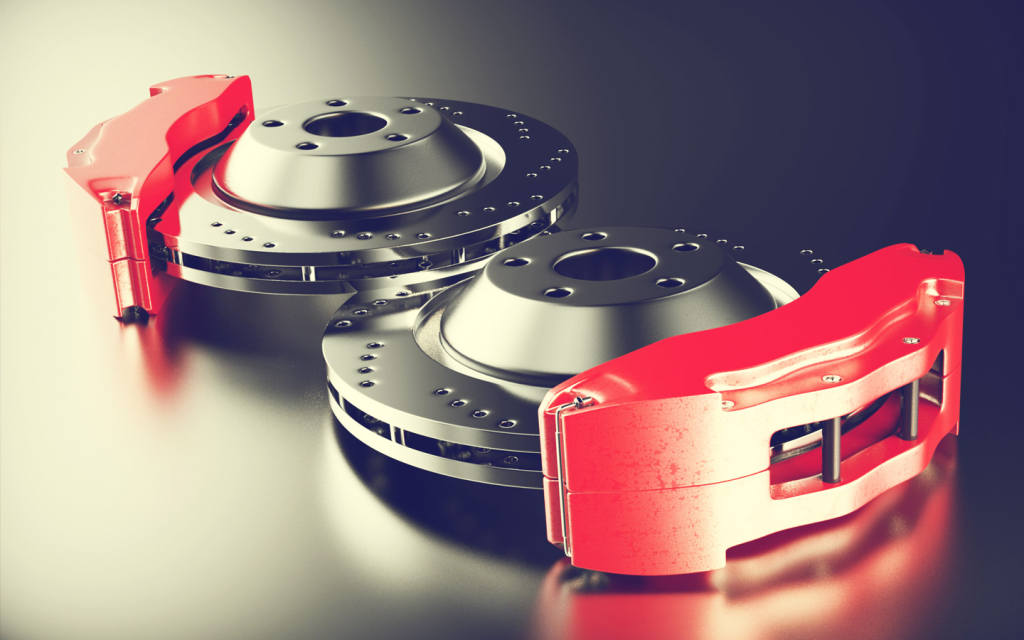
Brake pads are friction components found within a vehicle’s disc braking system. Their primary function is to press against the brake rotors when the driver applies the brakes, creating friction that slows the rotation of the wheels and ultimately brings the vehicle to a stop.
A brake pad consists of a steel backing plate bonded to a specially formulated friction material. This friction material is engineered to withstand high temperatures and repeated use while maintaining consistent braking performance.
Although relatively small in size, brake pads play a critical role in converting a vehicle’s kinetic energy into heat energy through friction, making controlled braking possible.
Brake Pads Function in Vehicles
When the brake pedal is pressed, hydraulic pressure is generated within the car’s braking system. This pressure activates the brake callipers, which clamp the brake pads against the rotating brake discs or rotors.
As the pads make contact with the rotor surface, friction is created. This friction reduces the car wheel speed and slows the vehicle. Because this process generates substantial heat, brake pads must be manufactured from materials capable of maintaining performance under extreme temperatures.
The efficiency of the braking systems depends heavily on the condition and quality of the brake pads. Worn or damaged pads can reduce stopping power, increase stopping distances and place additional strain on other braking components.
Types of Brake Pads
Brake pads are available in several material compositions, each designed to suit different driving conditions and vehicle requirements.
Semi-Metallic Brake Pads
Semi-metallic brake pads contain a mixture of metal fibres such as steel, copper and iron combined with friction compounds. These pads contain between 30% and 70% metal content.
Advantages:
- Excellent heat dissipation
- Strong and reliable braking performance
- Long service life
- Suitable for performance vehicles and heavy-duty applications
Disadvantages:

- Can be noisy during operation
- Produce more brake dust
- May increase rotor wear over time
Semi-metallic pads are commonly used in sports cars, SUVs and vehicles that require strong and consistent braking performance.
Ceramic Brake Pads
Ceramic brake pads are manufactured using ceramic fibres and other durable filler materials.
Advantages:
- Quiet operation
- Minimal brake dust production
- Long lifespan
- Consistent braking performance
Disadvantages:
- Higher purchase cost
- Less suitable for extreme towing and heavy-duty applications
Ceramic pads are often found on luxury and high-performance vehicles due to their durability, cleanliness and refined braking characteristics.
Organic Brake Pads
Also known as Non-Asbestos Organic (NAO) brake pads. These are produced using materials such as rubber, glass fibres, Kevlar and resins.
Advantages:
- Quiet braking
- Gentle on brake rotors
- Cost-effective replacement option
Disadvantages:
- Wear more quickly than other types
- Reduced effectiveness in extreme temperatures
- Not ideal for high-performance driving
Organic brake pads are commonly used in small passenger vehicles that operate primarily in everyday driving conditions.
Low-Metallic NAO Brake Pads
Low-metallic NAO pads combine organic materials with a small amount of metal, usually copper or steel.
Advantages:
- Better braking performance than standard organic pads
- Improved heat transfer
Disadvantages:
- Increased brake dust
- More braking noise
These pads offer a balance between comfort and performance, making them suitable for many mid-sized vehicles.
Brake Pad Wear and Thickness Standards
Brake pads gradually wear down each time the brakes are applied. The rate of wear depends on several factors, including driving style, vehicle weight, road conditions and the type of brake pad material used.
Frequent stop-and-go traffic, aggressive braking, towing and driving in mountainous areas can significantly accelerate brake pad wear.
New brake pads generally measure between 10mm and 12 mm in thickness, while some heavy-duty and performance applications may use thicker pads. Most manufacturers recommend replacement when pad thickness reaches 3 mm to 4 mm, with 2 mm to 3 mm generally considered the minimum safe operating limit.
Brake Pad Thickness Guide
| Pad Thickness | Condition | Recommended Action |
| 10–12 mm | New | No action required |
| 8–10 mm | Good | Monitor during servicing |
| 6–8 mm | Fair | Plan for future replacement |
| 4–6 mm | Worn | Schedule replacement soon |
| 3–4 mm | Critical | Replace immediately |
| Below 3 mm | Unsafe | Replacement required |
Operating a vehicle with excessively worn brake pads can reduce braking performance, increase stopping distances and potentially cause damage to the brake rotors.
Signs Your Brake Pads Need Replacement
Brake pads provide several indicators when they approach the end of their service life. Common warning signs of bad brake pads include:
- Squealing or screeching noises during braking
- Grinding sounds caused by metal-on-metal contact
- Reduced braking responsiveness
- Longer stopping distances
- Vibrations and pulsations in the brake pedal
- Brake warning lights on the dashboard
- Visible thinning of the friction material
Ignoring these symptoms can lead to more extensive repairs and compromise vehicle safety.
How to Inspect Brake Pads
Regular brake inspections help identify wear before it becomes a safety concern. In many vehicles, drivers can perform a basic visual inspection by looking through wheel spokes to estimate the remaining brake pad material. For a more accurate assessment, the wheel can be removed and the pad thickness measured using a brake pad gauge or digital calliper.
Brake inspections should also include checking for uneven wear patterns, damaged components and excessive rotor wear. If any abnormalities are identified, a professional diagnosis is recommended.
How Long Do Brake Pads Last?
Brake pad lifespan varies depending on driving habits and operating conditions. In most passenger vehicles, brake pads last between 48,000 and 112,000 kilometres.
Drivers who frequently encounter heavy traffic, steep terrain or regularly carry heavy loads may experience faster wear. Conversely, smoother driving habits and regular brake pad maintenance can help extend its life.
Routine inspections are more reliable than mileage alone when determining brake pad replacement intervals.
Choosing the Right Brake Pads
Selecting the right brake pad depends on the vehicle and its intended use.
- Compact and economy vehicles: Organic brake pads often provide adequate stopping power and quiet operation.
- Family sedans and SUVs: Low-metallic or semi-metallic pads offer a good balance of performance and durability.
- Performance vehicles: Semi-metallic and ceramic brake pads deliver superior braking capability.
- Heavy-duty vehicles and towing applications: Semi-metallic or severe-duty brake pads provide the durability required for demanding workloads.
Consulting the manufacturer’s recommendations and seeking professional advice can help ensure the most suitable choice.
The Importance of Brake Pad Maintenance
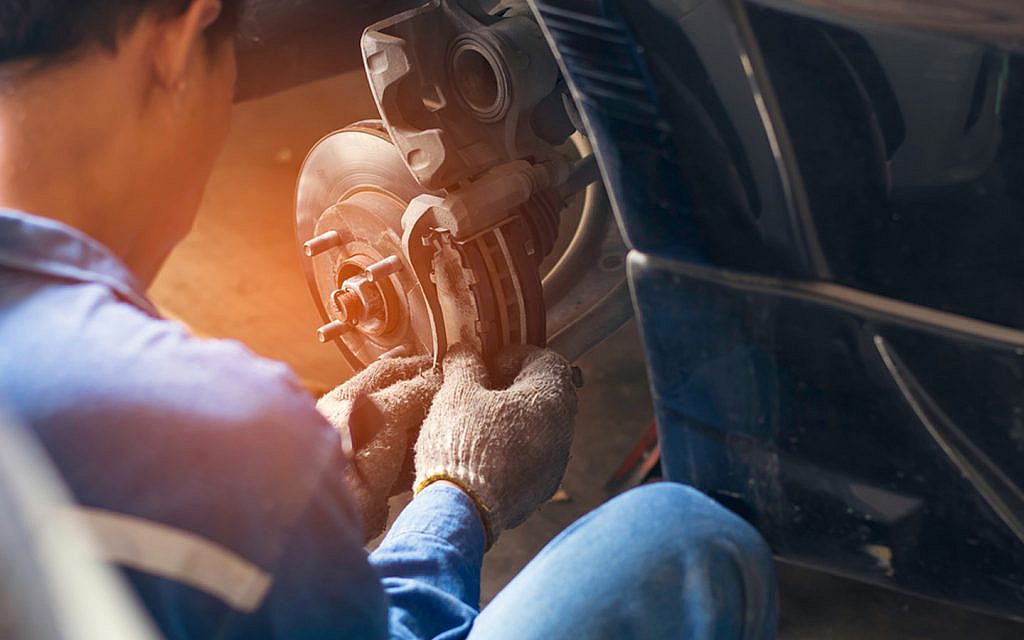
Brake pads are wear items and require regular inspection and replacement as part of routine vehicle maintenance. Replacing worn pads before they reach critical thickness helps preserve braking performance, protect brake rotors and reduce long-term repair costs.
A well-maintained braking system contributes not only to vehicle reliability but also to the safety of drivers, passengers and other road users.
FAQs
What materials are used in brake pads?
Brake pads are made from ceramic, semi-metallic or organic materials such as steel, copper, rubber, glass fibres and Kevlar.
Why is it important to replace brake pads regularly?
Regular replacement ensures optimal braking performance, shorter stopping distances and improved road safety.
What happens if I don’t replace worn-out brake pads?
Worn brake pads can reduce braking efficiency, damage brake rotors and increase the risk of brake failure.
Understanding the different types of brake pads, recognising signs of wear and monitoring brake pad thickness can help drivers make informed maintenance decisions. Through regular inspections and timely replacement, motorists can ensure their braking systems continue to perform effectively when it matters most.
Whether maintaining a current vehicle or considering a new purchase, brake pad condition is a key aspect of responsible vehicle care. This is particularly useful when exploring used cars for sale in the UAE, where well-documented maintenance adds clarity and confidence to the selection process.
Keep reading dubizzle’s auto blog to learn more about different components of a vehicle.
Related Posts