When it comes to a vehicle’s suspension system, ball joints play a crucial role in a smooth and controlled ride. These small components are pivot points between the steering knuckles and control arms, providing precise movement and stability. Whether you’re cruising on a highway or navigating rough terrain, ball joints help maintain proper wheel alignment and handling. Here, we’ll learn the function, types and replacement tips for car ball joints.
What Are Car Ball Joints?
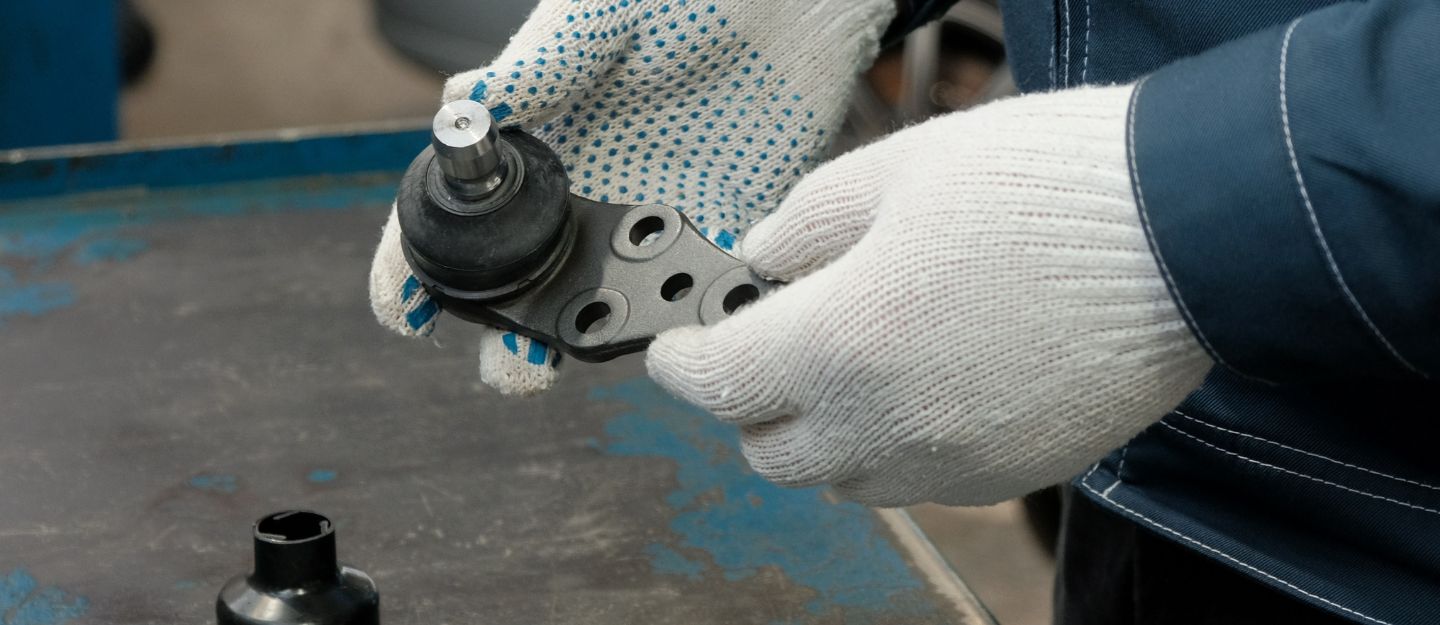
Ball joints are spherical bearings enclosed in a metal socket. They connect the vehicle’s control arms to the steering knuckles, allowing for both vertical movement (for suspension travel) and rotational movement (for steering). This dual-purpose function makes them a vital component of the car’s suspension system.
Importance of Ball Joints
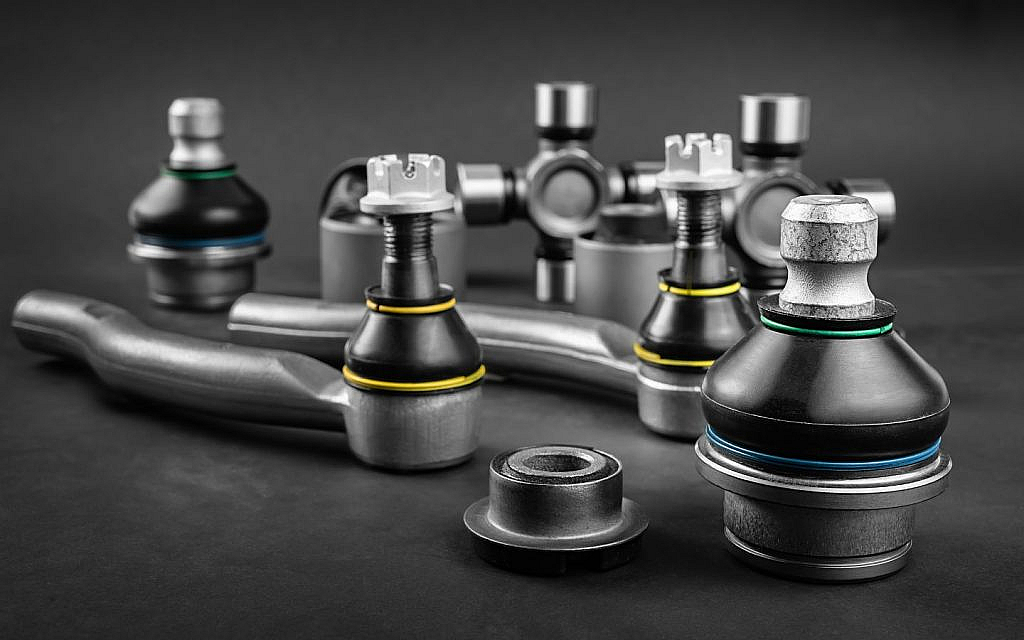
Ball joints are vital for steering and suspension stability, acting as pivot points between the control arms and steering knuckles. They allow the car wheels to move up and down over bumps while maintaining a strong connection to the suspension system. Without properly functioning ball joints, a vehicle’s handling would become unpredictable. It may lead to excessive vibrations, poor steering response and potential loss of control. Additionally, ball joints help keep the wheels aligned, preventing uneven tyre wear and ensuring that the vehicle maintains a smooth and safe ride.
Another key function of ball joints is their ability to absorb impact from road conditions. They help protect other suspension components from excessive stress. Moreover, they distribute the weight of the vehicle evenly across the suspension, reducing strain on tyres and preventing premature wear.
Components of Car Ball Joints
A car ball joint consists of several key parts that work together to ensure smooth steering and suspension movement. The ball stud is a steel component with a rounded end that fits into the bearing socket (housing), allowing the wheel to pivot in multiple directions. Inside the socket, a bearing or liner reduces friction, ensuring smooth operation and minimising wear.

To protect the joint from dirt and moisture, a rubber boot (dust cover) seals the components, preventing contamination. Some ball joints have a grease fitting, which allows lubrication to be added for longer durability. A snap ring or retaining clip secures the ball joint in place, preventing it from moving out of position. Together, these car ball joint parts keep the suspension stable and the vehicle’s handling precise.
Types of ball joints in vehicles
Car ball joints are generally categorised into two main types based on their design and function. They include:
Load-Carrying Ball Joints
These joints support the vehicle’s weight and handle most of the suspension load. They are found in the lower control arm and experience the most stress.
Follower Ball Joints
These joints do not bear the vehicle’s weight but instead assist in maintaining proper wheel alignment and steering response. They are usually located in the upper control arm (in vehicles with double-wishbone suspension systems).
Additionally, ball joints can be classified based on their serviceability:
- Greaseable Ball Joints: Require regular lubrication to prevent wear and tear.
- Sealed Ball Joints: Pre-filled with grease and sealed for life, requiring no additional maintenance.
Causes of Ball Joint Wear
These little components are subject to wear and tear over time. Here are some common causes of bad ball joints.
- Normal Driving Conditions: Regular movement and stress cause gradual deterioration.
- Lack of Lubrication: Insufficient grease increases friction and accelerates wear.
- Rough Roads & Potholes: Driving on uneven terrain puts additional strain on car ball joints.
- Moisture & Contaminants: Water, dirt and debris can penetrate worn seals, leading to rust and premature failure.
How to Inspect Ball Joints
Routine inspections can help identify car ball joint issues before they become serious. Here’s a simple way to check them:
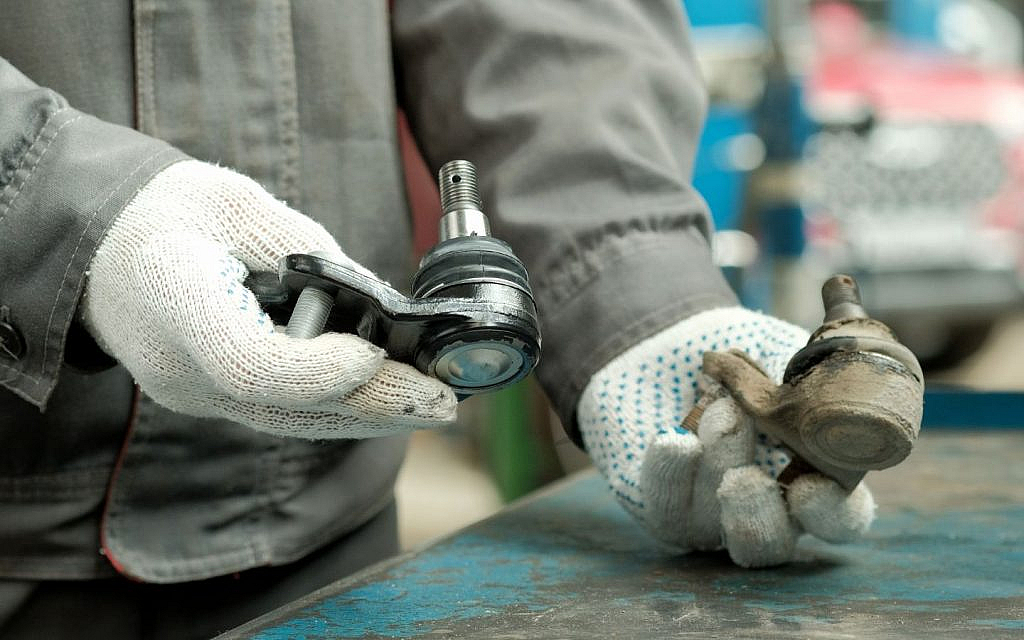
- Visual Inspection: Look for any visible tears in the rubber boot, excessive rust or grease leakage.
- Jack Up the Vehicle: Lift the front wheels off the ground and wiggle the tyre back and forth to check for excessive movement.
- Use a Pry Bar: Insert a pry bar between the control arm and the steering knuckle. If there’s significant movement, the ball joint is likely worn out.
If you suspect any issues, it’s best to visit a car garage in Dubai or any other emirate and replace the ball joints if necessary.
Car ball joint replacement
Those who are familiar with the car basics can perform a DIY inspection. However, those who find it complex must seek prompt professional help. Here’s what to do when replacing a car ball joint.
- Secure the Vehicle: Park on a flat surface, engage the parking brake and use a car jack stand for safety.
- Remove the Wheel: Loosen the lug nuts and take off the wheel to access the suspension components.
- Detach the Control Arm: Remove the fasteners securing the ball joint to the control arm and steering knuckle.
- Press Out the Old Ball Joint: Some ball joints require a special ball joint press tool to remove them.
- Install the New Ball Joint: Align the new joint properly, press it into place and secure all fasteners.
- Reassemble and Test: Reattach all components, tighten bolts to manufacturer specifications and test drive the vehicle.
FAQs
What are the symptoms of bad ball joints?
Worn or bad ball joints can cause clunking noises, uneven tyre wear, loose or shaky steering, excessive vibrations and poor handling.
Can I drive a car with a bad ball joint?
Driving with a bad ball joint is dangerous. It can lead to loss of control or even wheel detachment in severe cases.
Can you replace the ball joints without replacing the control arm?
Yes, ball joints can be replaced separately without replacing the control arm. However, some vehicles have ball joints integrated into the control arm, requiring full replacement.
These were the basics of the car ball joints and why they are an important part of a vehicle’s suspension system. However, if a car ball joint deteriorates due to rust and wear, it’s best to get it replaced promptly.
Moreover, if you’re in search of a new ride, sift through these new cars for sale in the UAE. They offer a multitude of listings under various budgets.
To learn more about car parts and their significance, keep reading dubizzle’s autos blog.
Related Posts