- History of Square Car Design
- Comeback As Functional Car Design
- Practicality and Features
- Boxy Design and EVs
- FAQs
For decades, the automotive industry pursued ever-sleeker, aerodynamically refined vehicle designs. Curves became synonymous with speed, modernity and efficiency. However, in a striking twist in design trends, the boxy car shape, long regarded as a symbol of retro charm and practicality, is making a strong comeback. This design revival is more than a nostalgic whim. In a broader perspective, it represents a shift towards functionality and utility-focused design in a world increasingly driven by efficient mobility solutions.
Revising the Era of the Square Car Design
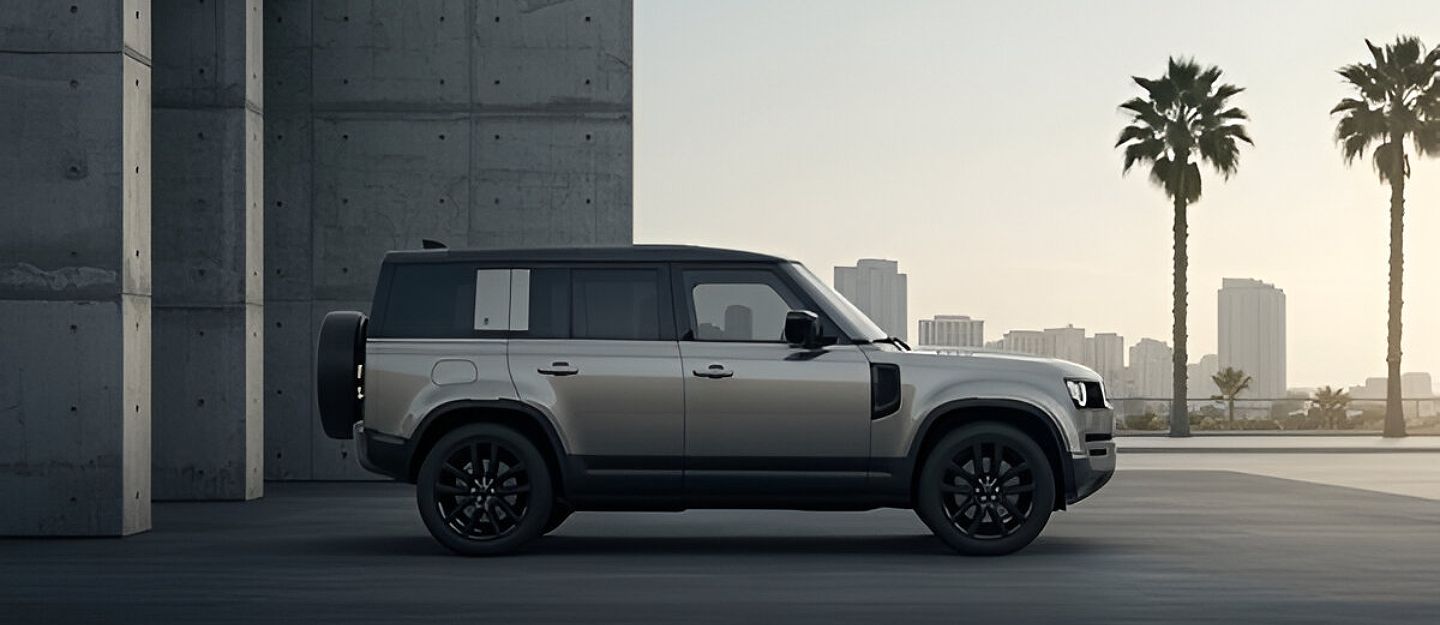
Boxy vehicle styles gained prominence in the 1970s and 80s, epitomising practicality and functional car design. Models like the Volvo 240, Jeep Wagoneer and Mercedes-Benz G-Class were renowned for their box-shaped car aesthetics. At a time when digital modelling tools were unavailable, simpler geometric structures made production easier and cheaper. The result was a generation of vehicles with sharp angles, flat surfaces and upright windshields. It was a visual language that prioritised substance over sleekness.
However, as fuel efficiency and car aerodynamics took centre stage in the 1990s, the dominance of boxy car aesthetics gave way to the curved silhouettes. Given the limited tech and design advancements, boxy cars weren’t performing well compared to their curvy counterparts. There was an increased drag and wind resistance, which contributed to the decline in demand for the boxy shape in the automotive design evolution.
Box Car Design Makes a Comeback With Modern Touches
Today, boxy car design is making a comeback for various car body types, including sedans, SUVs and hatchbacks, even in the latest electric vehicles (EVs). While aerodynamics of boxy cars still pose challenges, new engineering solutions and advanced materials allow designers to mitigate these issues while retaining the benefits of a square car design.

One of the primary reasons for this resurgence is a renewed focus on utility-focused car design. Boxy vehicles naturally offer more usable interior space. Their upright sides and flat roofs maximise headroom and cargo volume, making them ideal practical family vehicles. Visibility in boxy cars is often superior too, thanks to large windows and steep car pillars. These design elements enhance both safety and the driving experience.
Moreover, the rise of EV platforms, especially those based on the ‘skateboard’ chassis, allows for entirely new vehicle proportions. Without the need to house engines and transmissions, carmakers can prioritise cabin space and adopt bolder, more angular bodies. This innovation aligns perfectly with the boxy SUV design trend, as seen in models like the Hyundai Santa Fe, the new Land Cruiser Prado and the Land Rover Defender.
Boxy Car Features: Practicality Meets Personality
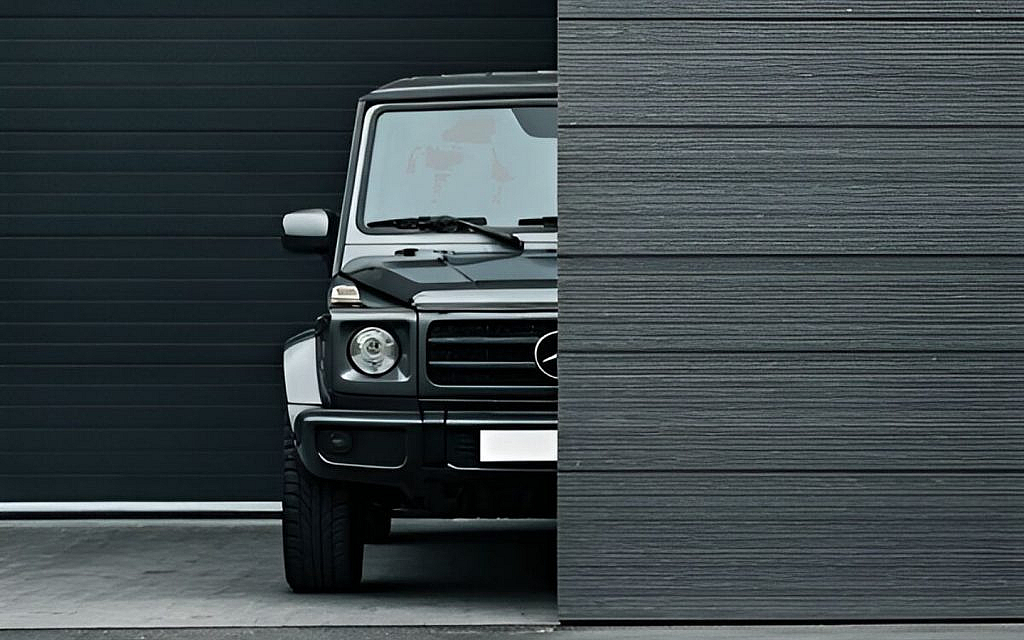
Modern boxy car aesthetics features go beyond straight lines and sharp corners. Today’s designs fuse retro-inspired cues with contemporary elegance. The boxy car features that define this new wave include:
- Maximised cargo space in boxy vehicles due to upright rear ends and squared wheel arches.
- Improved passenger comfort, with more legroom and headroom, was made possible by the cube-shaped car design.
- Striking road presence, where the bold outline stands out amidst the aerodynamic monotony of many crossovers.
- Utility-focused elements like roof rails, modular seating and flat-folding seats make these vehicles genuinely versatile.
This combination of form and function is especially appealing in today’s progressive world. It is where consumers seek vehicles that offer not just style but also substance and adaptability.
Boxy Cars and the Electric Future
As the automotive industry shifts towards electric mobility, many wonder if boxy car features will remain viable in an era that demands aerodynamic efficiency to maximise battery range. Surprisingly, the answer is yes, but with caveats.
The new generation of boxy SUV designs incorporates smart aerodynamics while embracing the spatial benefits of upright profiles. Electric models like the Kia EV9 or the Chevrolet Spark EUV showcase this well. The flat floors and open interiors of these vehicles allow them to offer a blend of comfort, practicality and space. With modern implementations, the boxiness of the vehicle design enhances its usability rather than hindering performance.
FAQs
What is a boxy car design?
A boxy car design features angular shapes, flat surfaces and upright lines that create a squared, geometric appearance.
Why are some cars designed to be boxy?
Boxy designs maximise interior space, improve visibility and enhance practicality, especially for families and utility-focused vehicles.
Are boxy cars still popular in 2025?
Yes, boxy cars remain popular in 2025, particularly in the SUV and electric vehicle segments where space and styling matter.
Do boxy cars have good fuel efficiency?
Generally, boxy cars are less fuel-efficient due to higher aerodynamic drag. However, modern design improvements, as well as hybrid and electric technologies, have narrowed the gap.
The revival of the boxy shape in cars demonstrates how dynamic the field of automotive design is. Numerous factors come into play, such as performance, aerodynamics, practicality, and fuel efficiency. There are concepts of next-generation car designs, but no one truly knows what the future of cars holds.
Regarding a box-style car body, many used and new vehicles for sale in the UAE now feature this design. However, there are also other car shapes available that buyers can choose from depending on their preferences.
The UAE’s top auto blog is the ideal place to find the latest in the automotive world. Be sure to stay connected and informed.
Related Posts