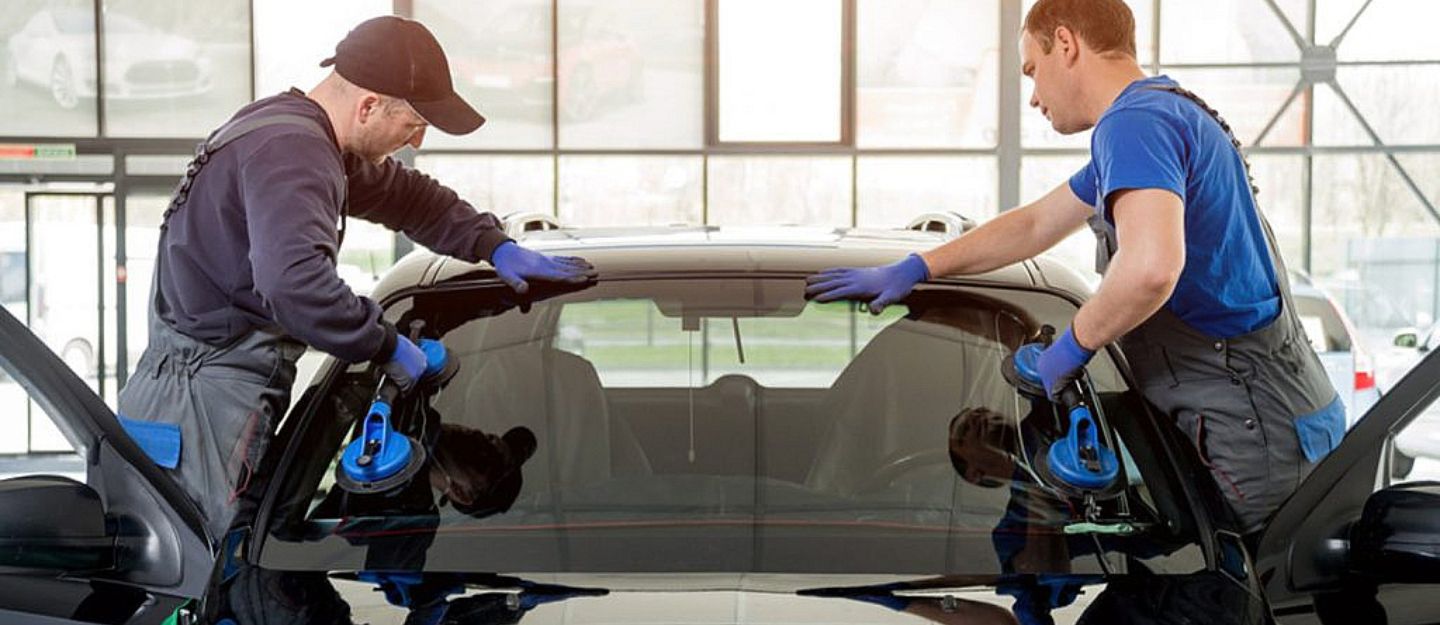
- What is Automotive Glass
- Types of Automotive Glass
- Car Parts That Use Glass
- Repair or Replace Automotive Glass
- Automotive Glass Technologies
- Maintenance Tips
- FAQs
From protecting passengers during accidents to supporting modern driver-assistance systems, automotive glass is one of the most important safety components. It is far more advanced than ordinary glass, engineered to withstand impacts, reduce injuries and improve driving visibility.
Whether it is side windows, rear glass, windshield or panoramic sunroof, each type of automotive glass serves different purposes. Knowing how automotive glass works can help maintain your car better, identify damage early and make informed decisions about repairs or replacements.
What is Automotive Glass?
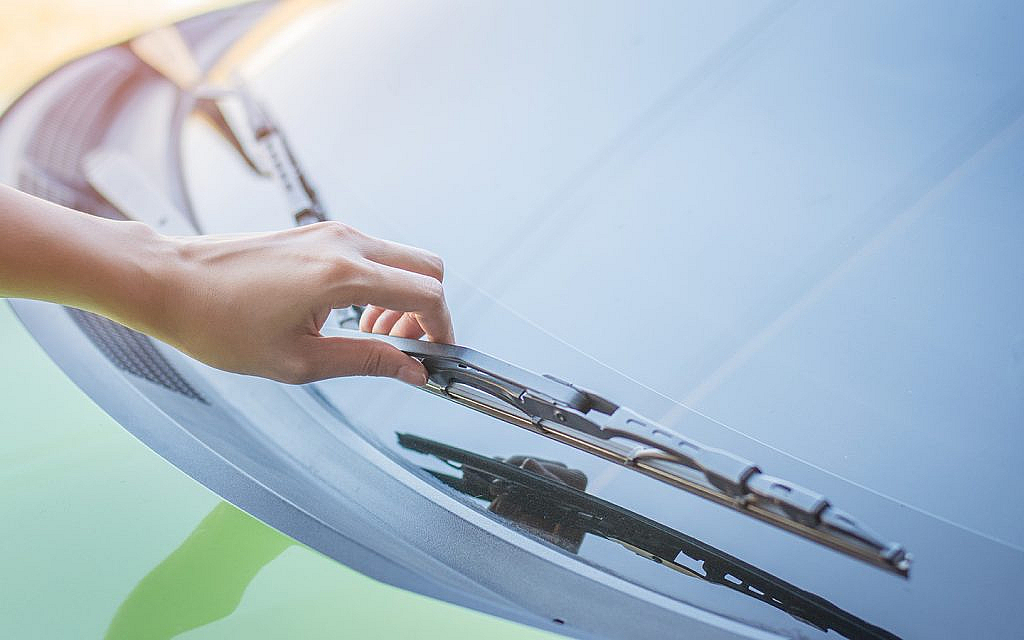
Automotive glass refers to specially manufactured safety glass used in vehicles. It is designed to reduce injuries during a collision, resist impact and maintain structural integrity.
Types of Automotive Glass
Modern vehicles mainly use two types of automotive glass:
- Laminated glass
- Tempered glass
Both are designed differently and used in different parts of a vehicle depending on safety requirements.
Laminated Glass
This type of glass is primarily used for car windshields. It consists of two sheets of glass bonded together with a plastic interlayer, usually polyvinyl butyral (PVB). When laminate glass breaks, the plastic layer holds the shattered pieces together instead of allowing them to scatter.
Benefits of Laminated Glass
Some of the common benefits of laminate glass include:

- Improves passenger safety
- Prevent glass shards from flying into the cabin
- Reduces UV rays entering the cabin
- Helps minimise outside noise
- Supports vehicle roof strength during rollovers
Tempered Glass
Tempered glass is usually used for side windows and rear windshields. It is manufactured through a heating-and-rapid-cooling process, making it much stronger than ordinary glass. Instead of breaking into sharp shards, tempered glass shatters into small pieces to reduce injuries.
Benefits of Tempered Glass
There are several benefits of tempered glass. Some of them include:
- Safer breakage pattern
- Better resistance to impact
- Easier emergency escape during accidents
Parts of Vehicles that Use Automotive Glass
Different parts of a car use different types of glass depending on their function.
| Vehicle Part | Common Glass Type | Purpose |
| Windshield | Laminate glass | Safety and structural support |
| Side windows | Tempered glass | Passenger protection |
| Rear windshield | Tempered or laminated glass | Visibility and safety |
| Sunroof/panoramic roof | Tempered or laminated glass | Heat resistance and safety |
How Automotive Glass Improves Safety
Automotive glass plays a major role in overall safety.
- Prevent passenger ejection: Laminate windshield helps keep occupants inside the vehicle during a collision.
- Supports airbag deployment: In many cars, the windshield serves as a support surface for the front passenger airbag. A weak or poorly installed windshield can affect airbag performance.
- Improves structural strength: The automotive windshield contributes to the vehicle’s structural rigidity, especially during rollover accidents.
- Reduce injuries: Tempered glass breaks into small fragments instead of dangerous, sharp shards.
Common Causes of Automotive Glass Damage

Car glass can get damaged due to several reasons. Including:
- Flying stone and road debris
- Sudden change in temperature
- Poor road conditions
- Improper installation
- Accidents and collisions
- Extreme summer heat can damage car’s windshield
When Should You Repair or Replace Automotive Glass?
Small chips and cracks can quickly spread due to sudden temperature changes or daily driving conditions. Knowing whether your car needs repair or complete replacement can help maintain safety.
When to Repair Automotive Glass
In many cases, minor windshield damage can be repaired without replacing the entire glass. You can repair the automotive glass if:
- The chip is smaller than the coin
- The crack is short and not spreading
- The inner layer of laminated glass remains intact
- Damage is away from the windshield glass
- The driver’s line of sight is not affected
- There are no multiple impact points
When to Replace Automotive Glass
Replacement becomes necessary when the damage compromises safety, visibility or the structural strength of the glass. You will need to replace the glass if:
- The crack is deep or long
- Damage abstracts the driver’s view
- Cracks reach the edge of the windshield
- The glass is shattered
- Multiple chips or any type of cracks are present
- Tempered side or rear glass breaks completely
- ADAS sensors or cameras are affected
Advanced Automotive Glass Technologies
Modern vehicles now feature advanced glass technologies for improved safety and comfort.
Acoustic Glass
Acoustic laminate glass helps reduce road and wind noise inside the cabin. This type of glass is common in mid-to-luxury-segment vehicles.
Heated Windshield
Some luxury vehicles feature heated windshields that help remove fog, frost and ice quickly.
Heads-Up Display (HUD) Compatible Glass
Vehicles equipped with a HUD system require specially calibrated windshields to project driving information clearly.
ADAS-Compatible Windshields
Modern cars now come equipped with Advanced Driver Assistance Systems (ADAS), which use cameras and sensors mounted near the windshield.
Gorilla Glass Technology
Originally developed for smartphones, Gorilla Glass is now used in some vehicles for stronger and lighter automotive glass.
Automotive Glass Maintenance Tips
Proper care of your vehicle’s glass helps maintain clear visibility, improves safety and extends the life of your car’s windshield glass and windows.
- Clean regularly: Use a proper automotive glass cleaner and a microfiber cloth to avoid scratches and maintain the car windshield.
- Replace wiper blades: Worn-out wiper blades can leave marks and scratch the glass surface over time.
- Avoid sudden temperature change: Pouring hot water on a cold windshield or blasting hot air on ice can cause cracks.
- Fix chips early: Small chips can quickly turn into long cracks if left untreated.
- Maintain safe driving distance: Keeping a safe following distance from vehicles reduces the risk of a stone chip hitting your windshield.
- Park smart: Avoid parking under trees or in areas where falling debris can damage the glass.
FAQs
What are the main types of automotive glass?
The main types are laminated glass (used in windshields) and tempered glass (used in side and rear windows).
Why are car windshields made of laminated glass?
Car windshields are made of laminated glass because it remains intact during impact and provides better protection for passengers.
How is automotive glass manufactured?
Automotive glass is manufactured through processes such as heating, cooling, layering and chemical strengthening, depending on whether it is laminated or tempered glass.
From laminated windshields that prevent injuries to ADAS-compatible glass supporting advanced driving systems, automotive glass plays a major role in driver safety and comfort. Regular inspections, timely repairs and professional replacements can help maintain visibility and protect passengers on the road.
If you’re planning to upgrade or switch a vehicle, explore a wide range of used cars for sale in the UAE on dubizzle.
For more information on vehicle maintenance and repairs, stay tuned to dubizzle’s auto blog.
Related Posts


