
The discontinuation of car manufacturers results from a mix of economic pressures, technological challenges and market dynamics. Some companies struggle to keep up with shifting consumer demands, face intense competition or encounter financial and regulatory hurdles that make continued operation unsustainable. Examining the factors behind car manufacturer discontinuation reveals the challenges that determine whether a brand thrives or ultimately ceases production.
Reasons Automotive Brands Shut Down
Over time, various economic, technological and market pressures have contributed to the decline of many automotive manufacturers. These factors help explain why certain car companies that no longer exist were unable to adapt, remain competitive or sustain financial stability.
Economic Downturns and Financial Instability
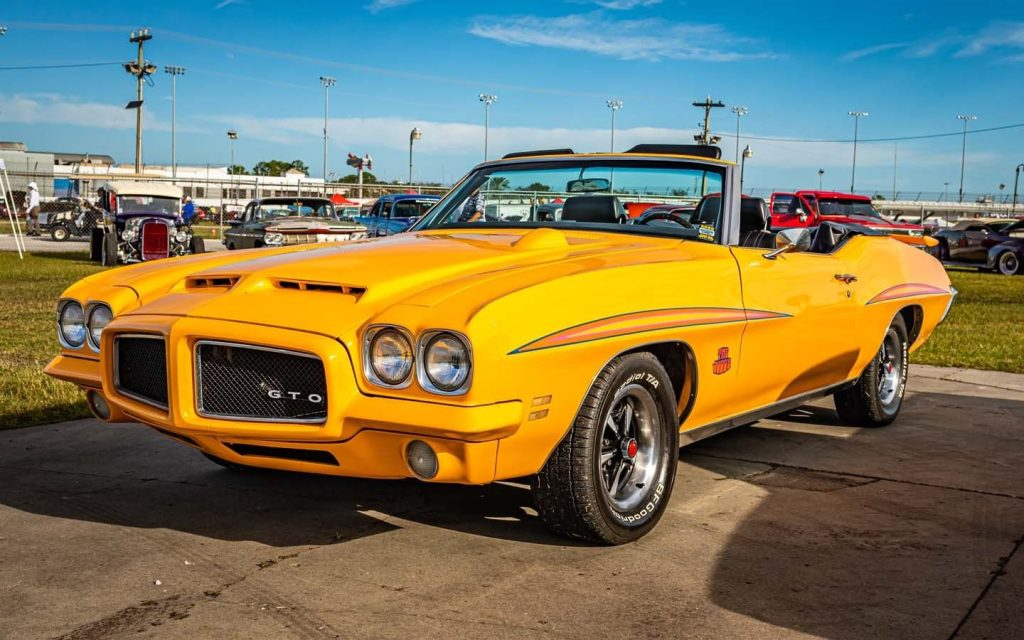
Economic crises have historically influenced the automotive sector. Periods such as the early 1920s recession and the Great Depression created significant financial pressures across many industries, including car manufacturing.
Luxury car makers are often highlighted as particularly sensitive, since their market depends on higher-income buyers. When consumer spending declines, vehicle sales may drop, affecting overall company performance.
Commonly referenced factors linking economic instability to car company closures include:
- Decline in consumer spending during economic downturns
- Reduced demand for luxury vehicles
- High operational and manufacturing costs during recessions
- Limited financial reserves to manage prolonged instability
- Decreased sales volume is impacting smaller or less-established manufacturers
Poor Management and Overexpansion
Strategic mismanagement or overly rapid expansion has historically contributed to challenges for some automotive manufacturers. Some companies expanded too quickly, investing heavily in new factories, product lines or marketing without securing stable revenue.
Some commonly referenced factors related to poor management and overexpansion in discussions of car company closure causes include:

- Rapid expansion without sustainable revenue growth
- Heavy debt from new facilities, product launches or aggressive investments
- Inefficient operations and poor financial planning
- Leadership decisions that create long-term financial liabilities
- Weak internal strategy during periods of declining sales or economic instability
Misjudging Consumer Demand
Shifts in consumer demand have historically affected the success of some automotive brands, particularly when emerging technologies or market trends were not fully aligned with customer expectations. In the early years of the industry, some manufacturers focused on steam-powered or early electric vehicles, which struggled to compete with petrol-powered cars that offered greater power, longer range and lower operating costs at the time.
Points commonly highlighted regarding misjudging consumer demand in discussions of why automotive brands close include:
- Failure to adapt to changing consumer preferences
- Investing in technologies that the market is not ready to adopt
- Producing vehicles priced beyond the reach of average buyers
- Lack of practicality or features that consumers expect
- Targeting the wrong market segment compared with competitors
These patterns also provide insight for people interested in buying discontinued car models. Vehicles from brands that no longer exist or that were discontinued may offer unique designs, rare features or collectible value, making them appealing to enthusiasts or niche buyers.
Understanding how misjudged demand affected these models can help guide buyers when evaluating discontinued cars, particularly in markets like the UAE.
Rising Production and Supply Chain Costs
Vehicle manufacturing involves complex supply chains and significant investment in engineering, materials and distribution. Historically, smaller manufacturers often found these costs more difficult to manage than larger competitors.
Production and supply chain pressures are often highlighted in discussions of why some automotive companies cease operations, including:
- High manufacturing and engineering costs
- Complex supply chain and logistics requirements
- Limited economies of scale compared with larger manufacturers
- Price competition from high-volume automotive brands
- Financial constraints affecting long-term production stability
Competition from Larger Automakers
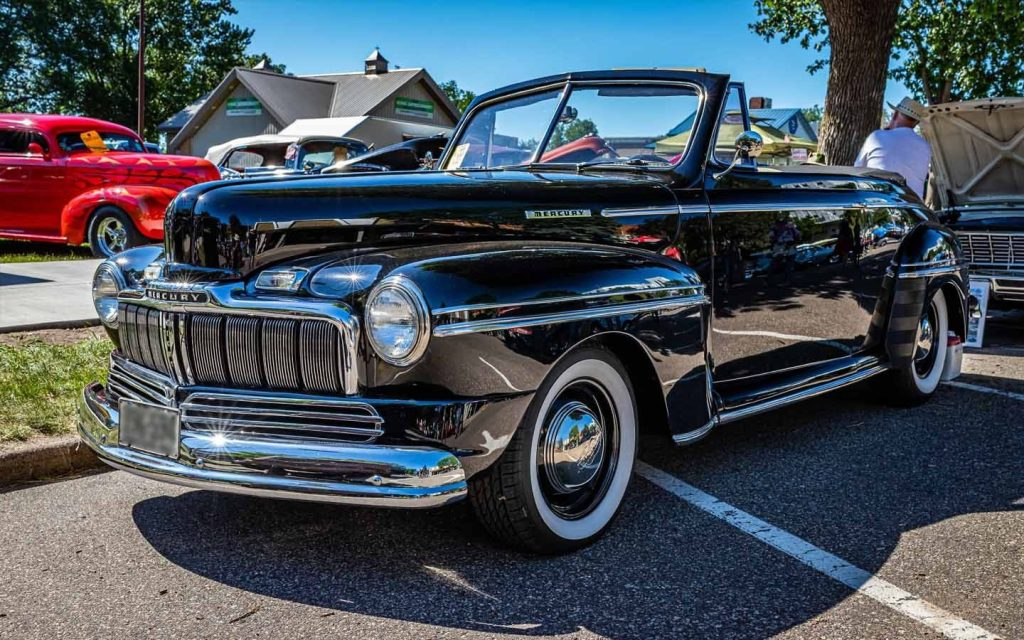
The growth of large automotive corporations introduced substantial competitive pressures. Companies with extensive manufacturing capabilities, established dealer networks and strong brand recognition often had advantages in scale and reach.
When exploring why car manufacturers may cease operations, challenges from larger automakers are commonly mentioned, such as:
- Challenges competing with larger companies’ manufacturing capacity
- Difficulty matching the marketing and technology investments of industry leaders
- Pressure from well-established dealer networks and brand recognition
- Limited ability to maintain market share in a highly competitive environment
- Financial and operational constraints compared with dominant global brands
Technological Shifts and Industry Transformation
Technological change has long influenced the automotive sector. Historical shifts, such as the move from steam and early electric vehicles to petrol engines, affected the competitive landscape. More recent developments, including electric vehicles, emissions regulations and updated safety standards, have continued to reshape the industry.
Technological shifts often play a role in why automotive brands shut down, including:
- Challenges in keeping up with rapidly evolving technologies
- Significant investment required for research and development
- Difficulty modernising production processes to meet new standards
- Risk of lagging behind competitors with more advanced technology
- Pressure from regulatory changes and industry transformation
Regulatory and Market Pressures
Government regulations and policy changes can influence the operations of automotive companies. Updates to safety standards, environmental regulations and fuel-efficiency requirements often involve adjustments to vehicle design and production processes.
Regulatory and market pressures are often noted as factors in automakers exiting the market:
- Costs associated with meeting new safety and environmental regulations
- Financial challenges for smaller manufacturers in complying with rules
- Increased pressure from competitors, better equipped to handle regulatory changes
- Market dynamics that intensify the impact of regulatory requirements
- Operational adjustments needed to align with evolving policies
FAQs
What factors cause car companies to exit the market?
Economic downturns, financial mismanagement, rising production costs, changing consumer demand and strong competition can force car companies to exit the market.
Can regulatory or emission standards lead to brand discontinuation?
Regulatory and emission standards can increase development and compliance costs, which may influence decisions about continuing certain brands.
Does competition lead to the closure of car brands?
Strong competition in the automotive market can affect market share and may contribute to decisions to discontinue some brands.
When a manufacturer ceases production, it doesn’t diminish the relevance of their vehicles on the road. Many drivers still find practical reasons to buy discontinued cars in the UAE, from accessing rugged engineering to premium features no longer offered in new models.
If you’re looking to upgrade your ride, check out these used cars for sale in the UAE for reliable and well-equipped options.
Keep reading dubizzle’s auto blog for the latest automotive advice and trends in the UAE.
Related Posts