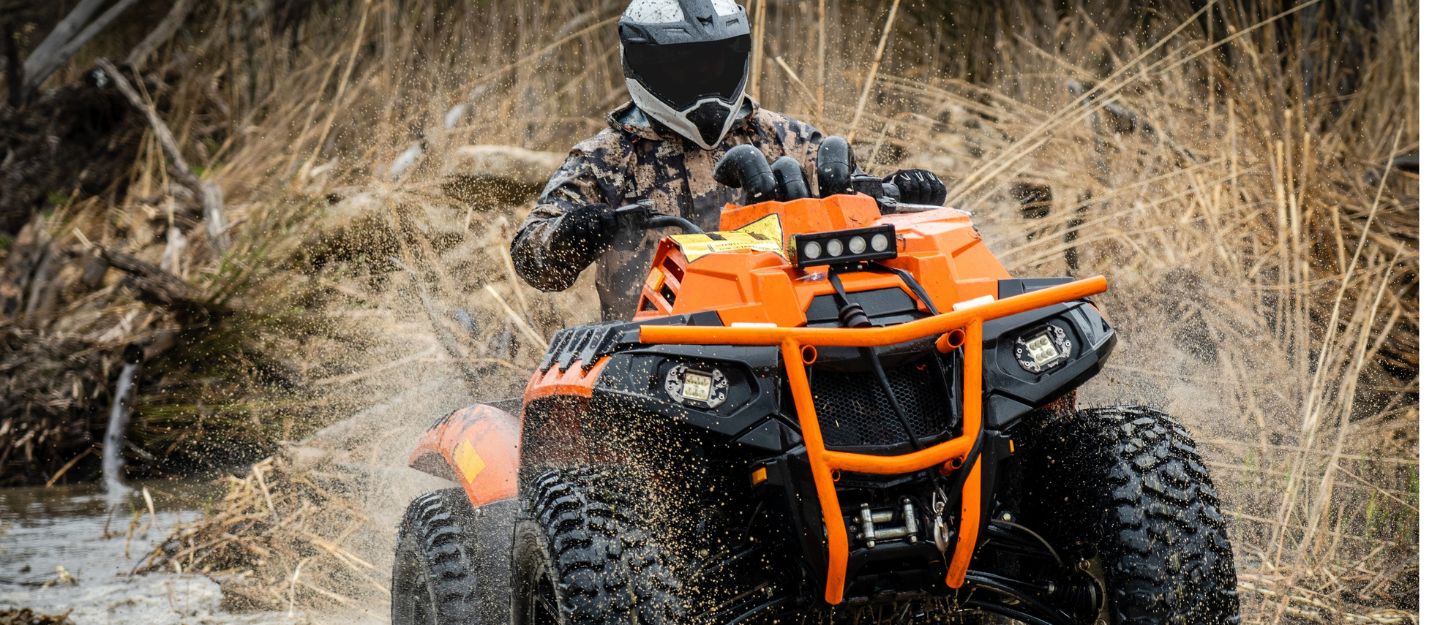
- Reason of Buying
- Size of Engine
- Safety components
- Select a Reputable Brand
- Type of Tyres
- Frame Size and Heaviness
- FAQs
All-Terrain Vehicles (ATVs) are a type of off-road vehicle that is engineered to navigate rough, uneven surfaces such as dirt trails, dunes and forests, making them ideal for both adventurous rides and work. Whether used for dune bashing in the desert or transporting equipment across rugged terrain, an ATV must be chosen carefully. It’s not just about engine power or aesthetics; the vehicle’s size, weight, safety features and engine capacity should align with the terrain type and the intended use. Understanding these factors upfront can help buyers avoid costly mistakes, reduce safety risks and ensure a comfortable riding experience.
Factors to Consider before Buying an ATV
Buying an ATV involves more than just picking a model that looks good. Several important factors must be considered to ensure the ATV fits the rider’s needs, experience and intended use.
The following are some factors that can help make the right choice in terms of performance, comfort and long-term reliability.
Purpose of buying
Before purchasing an ATV, it is important to identify the main reason for using it. Will it be for recreational activities such as trail riding, off-roading or dune bashing? Or will it be used for work-related duties like transporting equipment, towing loads or travelling across rugged land on farms or construction sites? Understanding the purpose helps in selecting the right engine size, suspension type and features that match the rider’s needs.
Engine Size
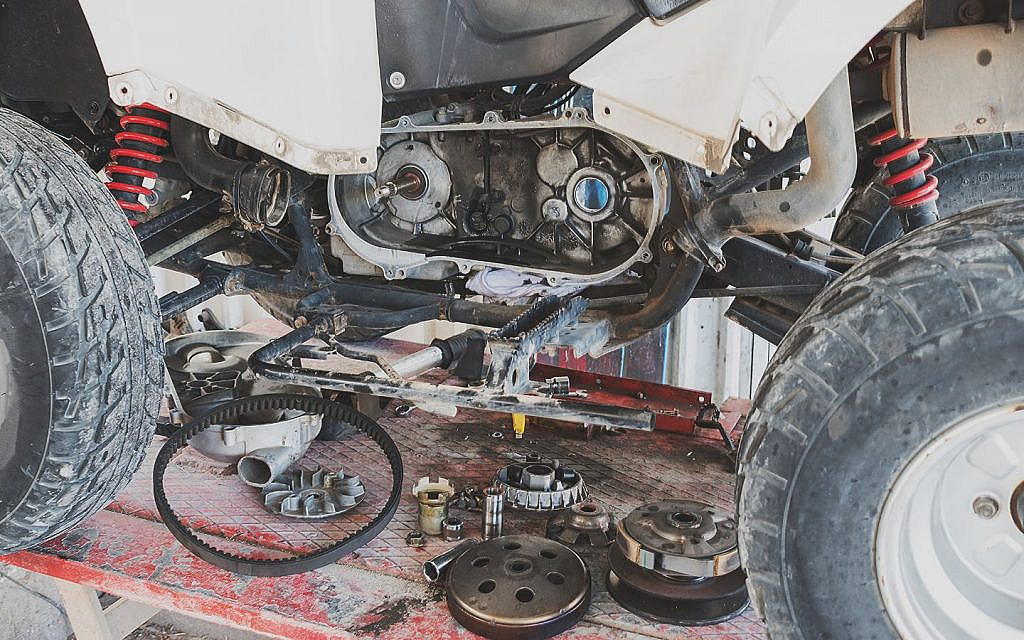
Just like various types of off-road vehicles, ATVs also come with a variety of engine sizes and choosing the right one depends on the rider’s experience and intended use. For beginners or younger riders, a smaller engine, around 500 cc, is typically a safe and manageable choice. Conversely, experienced riders needing power for challenging terrains or heavy-duty tasks can select an ATV with a 1000 cc engine or more. If you are a beginner, have a look at these ATV riding tips for the basics of handling, safety and proper riding techniques.

Safety Features
When selecting an ATV, it is important to consider safety features that enhance both control and protection. Look for models equipped with dynamic braking systems, throttle limiters, safety kill switches and stable suspension. These features help prevent accidents by improving handling and allowing better control over speed.
Also consider comfort-enhancing features like power steering and ergonomic seating, which help reduce rider fatigue on longer or rough terrains. A well-equipped ATV not only performs better but also ensures a safe riding experience.
While discussing ATV safety gear, make sure the rider’s safety equipment is also taken into consideration.
Choose a Trusted Brand
When choosing the right ATV, always consider a trusted and well-established brand. Reputable manufacturers are known for producing reliable machines, using quality parts and offering strong service support. Check user feedback and professional reviews to understand common maintenance needs and overall performance. Also, make sure that spare parts are easily available and that authorised repair centres or experienced mechanics are accessible.
Tyre Type
ATV tyres come in different types and tread patterns, each designed for specific terrain. It’s important to match the tyres to the surfaces the ATV will be riding on, whether it’s mud, sand, rocks or a mixed terrain. For example, mud tyres have deep, wide treads for better grip in soft, wet ground, while sand tyres are paddle-shaped to maintain traction on dunes. Hard terrain tyres offer durability and control on rocky surfaces.
Size and Weight

The size and weight of an ATV should suit the rider’s build and strength to ensure safe handling. A well-sized ATV allows balance, good control and comfort during long or rough rides.
In terms of weight, lighter ATVs are easier to manage and are ideal for beginners or those riding on smoother terrain. Heavier models offer better traction and power for load-hauling, while lighter ATVs provide better agility and easier handling for new riders. Matching the ATV’s size and weight to the rider and purpose improves both safety and performance.
FAQs
How do I choose the right ATV engine size?
Choose the engine size based on riding experience and usage. Beginners can start with 500 cc. For advanced use or rough terrain, go for 1000 cc or more.
What safety features should I look for in an ATV?
Look for features like safety kill switches, throttle limiters, stable suspension and dynamic braking. Power steering and ergonomic seating.
Do I need a license to ride an ATV in the UAE?
No, you do not need a driving license to ride an ATV in the UAE, but riders must be at least 16 years old and only operate the vehicle in designated off-road or private areas. Riding on public roads is strictly prohibited.
Buying an ATV isn’t about going with the flashiest model. It’s about making a choice that lasts. A careful look at design, purpose and rider fit can make maintenance easier, improve control on rough tracks and reduce the risk of accidents. Take time to evaluate the key factors before making the final decision.
If you’re considering buying an ATV, explore the available off-roading options for sale in the UAE to find one that suits your needs and budget.
After buying an ATV, keeping it in top condition is also important for long-term use. Here are some ATV maintenance tips to help keep the vehicle performing well.
Stay tuned to dubizzle auto blogs for more updates and insights on off-road vehicles.
Related Posts