- Real-time Update
- Voice Assistance
- Augmented Reality
- Safety Enhancements
- Eco-Routing
- Personalised Navigation
- FAQs
Vehicle navigation has evolved significantly in recent years, moving beyond basic route mapping to intelligent, data-driven systems. The growing adoption of Artificial Intelligence (AI) has played a central role in this transformation. AI-powered navigation systems are now more responsive and efficient, enhancing real-time traffic prediction, reducing human error and supporting safer driving conditions.
AI Transforming Car Navigation Systems
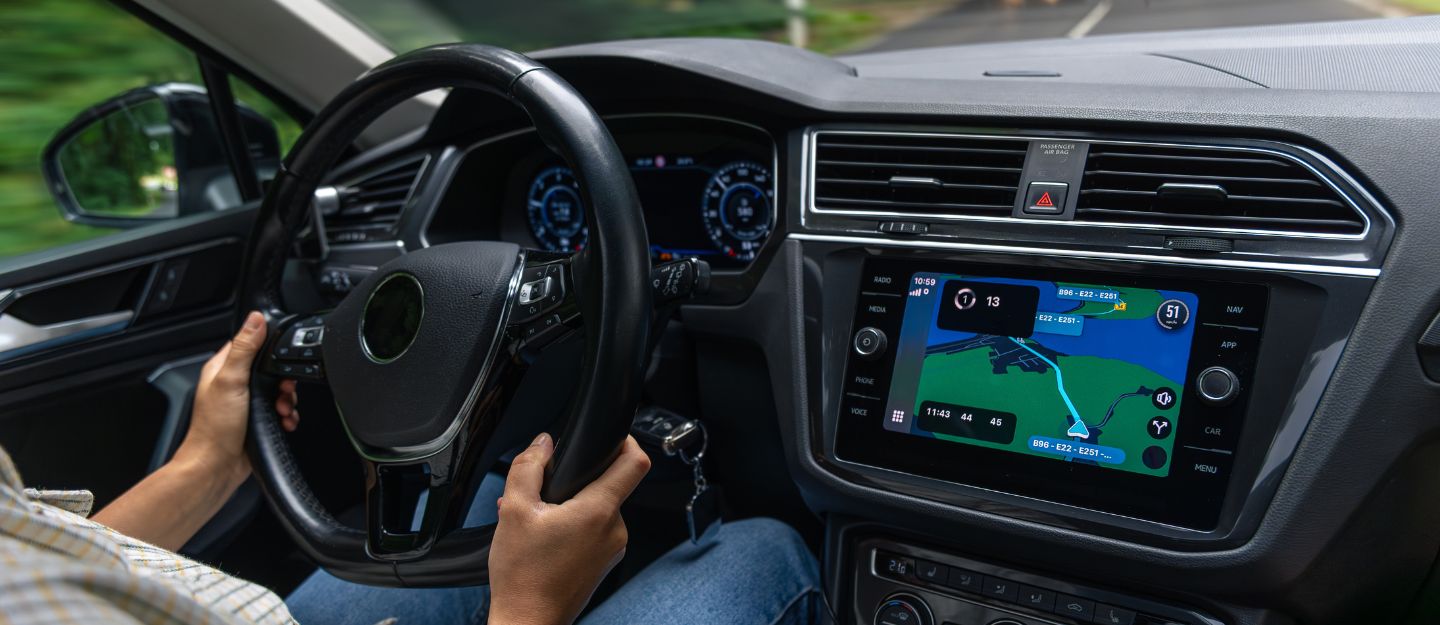
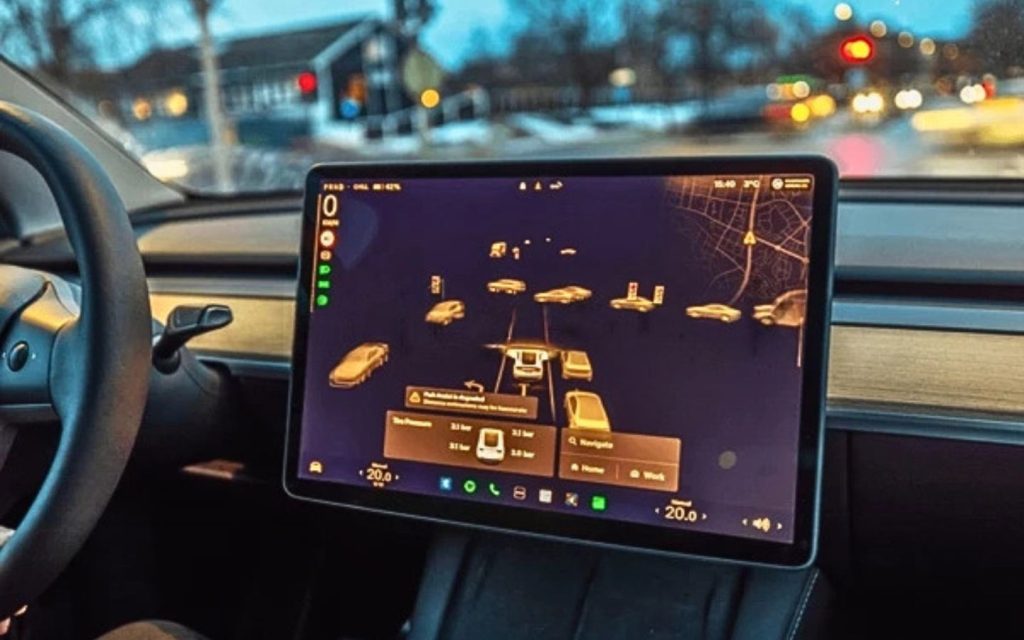
The integration of AI in cars has significantly enhanced both the driving experience and overall safety. Among these advanced driver-assist and convenience features, AI-powered navigation systems play a particularly important role in making journeys efficient and responsive.
Real-Time Traffic Prediction and Route Optimisation
AI-driven navigation systems analyse real-time data to accurately predict traffic flow and road conditions. The system also uses historical data to assess patterns and suggest alternative routes when needed. This helps reduce travel time and supports more reliable journey planning, especially in high-traffic urban environments.

Voice Assistance and Conversational Navigation
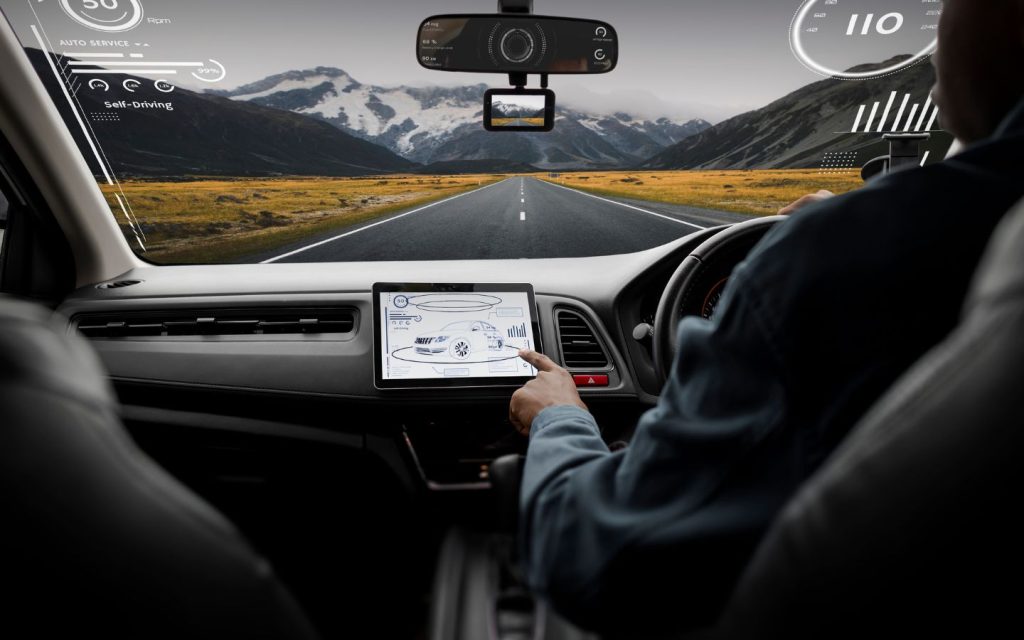
The integration of AI in vehicle navigation with in-car voice assistance provides drivers with a more intuitive and conversational way to control the system. Through voice commands, drivers can change routes, search for destinations or ask about nearby places without taking their hands off the wheel. This combination of conversational navigation and real-time feedback improves convenience while also supporting safer driving.
Augmented Reality Overlays in Navigation Systems
AI-driven navigation systems use augmented reality to create a more detailed, real-time view of the surrounding environment. These systems can highlight road layouts, surface changes, bumps and other obstacles, making both driving and parking easier. Features such as a transparent hood view displays road at the front of the car, further enhancing visibility and control.
Safety Enhancements Through Predictive Driving Support
Modern AI-powered navigation systems are capable of analysing road and weather conditions in real time and providing timely alerts to drivers. These systems can warn about potential hazards such as accidents, sharp turns or adverse weather conditions in advance, helping drivers make safer and more informed decisions on the road.
Eco-Routing and Fleet Optimisation
AI-driven navigation systems can analyse multiple routes and recommend the most efficient option with minimal traffic, helping reduce the car’s carbon footprint. For commercial vehicles, these systems support fleet optimisation by coordinating multiple vehicles, reducing idle time and improving overall operational efficiency.
Personalised Navigation Insights
AI-powered navigation systems can detect and learn each driver’s travel patterns, behaviour and preferences, creating a more personalised driving experience. When combined with driver monitoring systems, they can also support route planning and certain driving functions, helping improve convenience while reducing the likelihood of accidents.
FAQs
How is AI used in vehicle navigation systems?
AI in vehicle navigation is used to analyse real-time data to improve route accuracy and traffic prediction. It powers features such as voice commands and predictive alerts, making navigation systems more responsive and intelligent.
What are the benefits of AI in car navigation?
AI enhances navigation by reducing travel time, improving fuel efficiency and providing real-time updates on traffic and road conditions. It also supports safer driving through alerts and minimises the need for manual input.
How does AI improve route planning in vehicles?
AI evaluates multiple routes using live traffic data, historical patterns and road conditions to suggest the most efficient option. It can dynamically adjust routes during the journey to avoid delays or disruptions.
Are AI navigation systems more accurate than traditional GPS?
AI-powered navigation systems are generally considered more accurate than traditional GPS as they continuously update using real-time data and predictive analytics. This allows for more precise routing and better handling of changing road conditions.
This is how AI in vehicle navigation is transforming the automotive landscape, enhancing driver assistance and supporting safer road use. By providing real-time updates on traffic, road conditions and route changes, AI-powered navigation systems also add a greater level of convenience for drivers. This overall improvement in the driving experience has made such systems an increasingly important feature to consider when buying new or used cars for sale in the UAE.
Stay tuned to dubizzle’s auto blog to learn more about smart mobility solutions in the UAE.
Related Posts